What You Need to Know Before You Start
Healthy eating isn’t reserved for the wealthy or people who live near gourmet grocery stores. It can be simple, affordable, and surprisingly satisfying if you know where to look and how to plan. The idea that nutritious meals cost more than fast food is outdated. In reality, some of the cheapest ingredients out there like oats, beans, eggs, frozen veggies, and bulk grains are also some of the healthiest.
One of the biggest myths is that eating clean means buying organic everything or filling your cart with superfoods that sound like rare minerals. But good health doesn’t come from fancy packaging. Budget friendly nutrition is about building habits, not chasing trends. Start with whole foods. Stick to basics. Cook more, snack less from a bag.
The real win comes from smart shopping. Buy in bulk when you can, especially dry staples like rice, lentils, and pasta. Hit up seasonal produce it’s often cheaper and fresher. Plan your week and cook in batches. Prepping meals in advance makes it harder to fall back on overpriced, underwhelming takeaway options. And if you’re stuck, lean on resources like this healthy food guide to keep your meals aligned with your budget and goals.
Bottom line: eating well on a tight budget isn’t just doable it’s practical. You just need a little structure, a grocery list, and a plan.
Daily Structure of the Plan
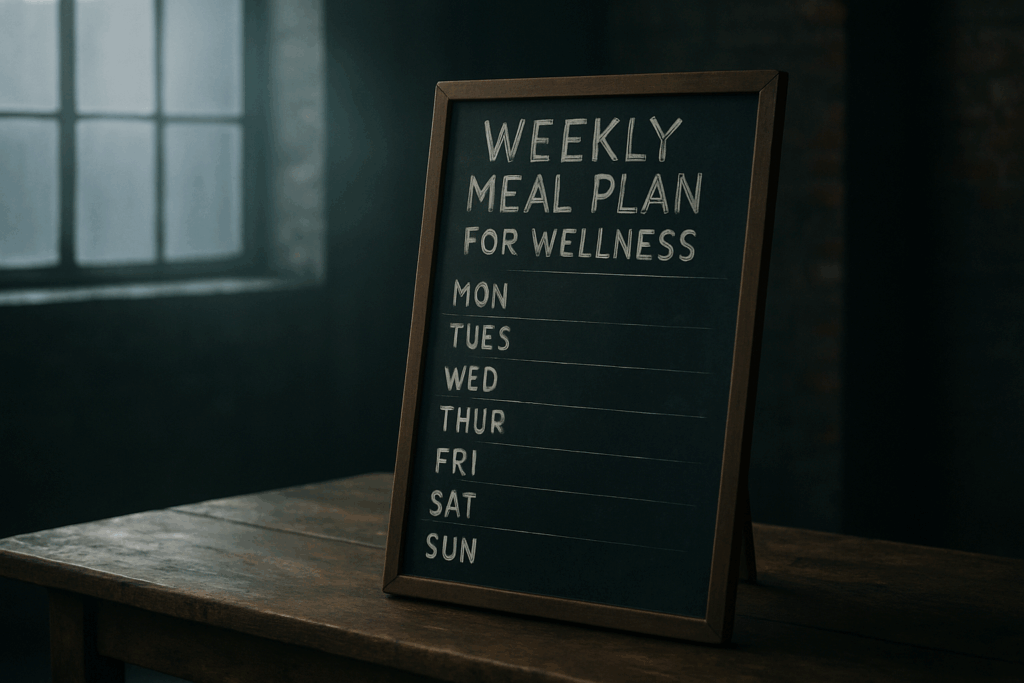
Each day follows a simple and steady format: three meals and one snack. That’s it. No complicated diet hacks, no endless grazing. Just enough to fuel your day, keep energy steady, and avoid the crash that comes from skipping meals or loading up on junk.
The calorie target is between 1,500 and 1,800 per day enough for most adults to see results (be it weight control or just feeling better) without feeling like they’re starving. It’s not ultra low, and it’s not excessive. It’s realistic.
Macros? We keep them balanced. Every meal includes a solid source of protein, some healthy fats, and carbs with fiber to keep your digestion on track and hunger in check. No macronutrient gets demonized here. The goal is sustainable, healthy eating that can actually fit into a normal day especially if you’re working, parenting, or just trying to stay afloat. Meals are quick to prep, budget conscious, and repeatable. That’s the core structure.
Day 1
Breakfast: Overnight oats with banana and peanut butter. This combo hits the mark simple carbs from oats and banana give you energy early, while the peanut butter adds staying power. Prep it the night before, grab it from the fridge in the morning, and you’re done.
Lunch: Lentil soup plus whole grain toast. Packed with fiber and plant protein, lentil soup is one of those rare meals that’s cheap, filling, and good for you. Whole grain toast adds a nice crunch and keeps things balanced.
Snack: Apple slices and cottage cheese. Fast to assemble, easy to pack. You’ve got sweet, crisp fiber from the apple and solid protein from the cottage cheese to keep hunger at bay.
Dinner: Grilled chicken, brown rice, and steamed veggies. Straightforward and no fuss. Chicken gives lean protein, rice fuels recovery, and steamed vegetables bring color, micronutrients, and volume without cost or complication.
Day 2
Breakfast: Scrambled eggs with spinach + whole wheat toast
A classic start that’s quick, filling, and hits the right macro balance. Eggs pack protein, spinach brings fiber and iron, and the toast adds slow digesting carbs to keep energy steady.
Lunch: Tuna salad wrap + cucumber slices
Canned tuna is an affordable protein MVP. Toss it with a little Greek yogurt or light mayo, maybe add celery or onions for crunch, and throw it in a whole wheat wrap. Crisp cucumber slices on the side keep things light and hydrating.
Snack: Greek yogurt with honey
Grab a small bowl of plain Greek yogurt and drizzle with a bit of honey for sweetness. High in protein with a touch of natural sugar it keeps cravings in check without throwing off your goals.
Dinner: Stir fried tofu with frozen mixed vegetables and quinoa
Tofu brings clean protein and adaptability. Sauté it with frozen veggies (choose a mix with color variety think bell peppers, broccoli, snap peas) and serve over pre cooked quinoa. It’s a one pan meal you can scale for leftovers too.
Simple, budget smart, and built for real life.
Breakfast: Start your day with a smoothie made from frozen mixed berries, rolled oats, and unsweetened almond milk. It’s light, energizing, and takes less than five minutes to throw together. The oats keep you full, and the berries give it a natural sweetness without the sugar crash.
Lunch: A whole wheat wrap filled with sliced turkey and a generous smear of hummus makes for a quick, protein rich meal. Pair it with a handful of baby carrots for crunch and color. No microwave needed, just a decent wrap job.
Snack: A handful of mixed nuts is all you need. Grab and go. Loaded with healthy fats and enough protein to hold you over until dinner.
Dinner: Wrap up with a baked sweet potato topped with seasoned black beans and sliced avocado. Simple, affordable ingredients that together taste way better than they should. Fiber, protein, and healthy fats all in one bowl.
Day 4
Breakfast: Whole grain cereal with milk and sliced banana. Quick, dependable, and done in under five minutes. The cereal gives you fiber to kick things off right, the milk adds protein and calcium, and the banana adds natural sweetness plus potassium. You don’t need anything fancy here just breakfast that works.
Lunch: Chickpea and veggie bowl with vinaigrette. Canned or pre cooked chickpeas make this easy. Toss them with whatever chopped veggies you’ve got carrots, cucumbers, bell peppers and dress with a simple vinaigrette (olive oil, vinegar, pinch of salt). It’s fiber heavy, filling, and affordable.
Snack: One boiled egg plus a few whole grain crackers. Solid protein meets slow carbs. Keeps you satisfied until dinner without spiking your blood sugar or emptying your wallet.
Dinner: Spaghetti with marinara and sautéed mushrooms. A no fuss comfort meal. Go for whole wheat pasta if you have it. Sauté mushrooms in olive oil, add them to a jarred or homemade marinara sauce, and toss with spaghetti. It’s warm, filling, and packs some umami thanks to the mushrooms.
Simple foods, balanced nutrients, and zero pretend gourmet.
Day 5
Breakfast: Start with simplicity cottage cheese topped with pineapple chunks. It’s high in protein, light on prep, and gives just enough natural sweetness to wake you up without the crash. A solid win if you’re short on time and energy.
Lunch: Use what you’ve got. That leftover spaghetti from earlier in the week? Heat it up and pair it with a basic side salad anything crisp works: lettuce, carrots, cucumbers. Drizzle on a light vinaigrette. Zero waste, full plate.
Snack: Air popped popcorn is your go to here. Cheap, fast, and actually filling when you skip the butter and go lean on salt.
Dinner: End the day strong with baked salmon if it’s in the budget or go with canned fish like sardines or mackerel for a more affordable protein. Add roasted potatoes and carrots, tossed with olive oil and whatever seasoning you’ve got. It’s hearty, no fuss, and tastes better than it has any business doing on a tight budget.
Day 6: Balanced and Budget Friendly
Day 6 keeps things practical with satisfying meals that reuse ingredients smartly. This is a great day to clean out the fridge while still hitting nutrition goals.
Breakfast
Avocado Toast + Poached Egg
A healthy fat and protein combo that’s simple, filling, and keeps you energized.
Tips:
Use whole grain or rye bread for extra fiber
Add chili flakes or lemon juice for flavor without cost
Lunch
Chicken Veggie Stir Fry on Brown Rice
A quick sauté of chicken and your favorite (or leftover) frozen vegetables over a bed of brown rice.
Budget Tips:
Buy chicken in bulk and freeze portions
Frozen vegetable mixes are often cheaper and last longer
Snack
Hummus + Bell Pepper Sticks
A nutrient dense, crunchy snack that satisfies between meals.
Budget Hack:
Make your own hummus with canned chickpeas, garlic, lemon, and olive oil
Buy bell peppers in bulk and slice ahead for snacking all week
Dinner
Leftover Salmon Bowl or Eggplant Bake
Use leftover salmon from Day 5 to build a hearty bowl over greens or rice. No fish? Roast some eggplant slices with herbs as a delicious plant based alternative.
Suggestion:
Add avocado, corn, or beans to your bowl to make it more filling
For eggplant: slice, brush with olive oil, season, and roast until golden
Day 6 proves you can eat balanced, feel full, and stay on budget without sacrificing flavor or nutrition.
Day 7: Resourceful and Satisfying
The final day of the plan leans into creativity by reusing ingredients and leftovers. This approach helps you reduce food waste while still enjoying a balanced, budget conscious diet.
Breakfast: Nutty Spinach Smoothie
Fuel your morning with a nutrient packed smoothie made entirely from staples you likely already have stocked.
Spinach (fresh or frozen)
Banana
Rolled oats
Peanut butter
Optional: splash of milk or water for consistency
This blend delivers fiber, protein, and healthy fats to start your day strong.
Lunch: Leftovers Soup + Toast
Take advantage of your week’s leftovers by reheating previously prepared soups or combining leftover veggies, broth, and grains.
Stored soup (such as lentil, veggie, or chicken based)
Whole grain toast on the side for extra fiber and fullness
Tip: Add extra herbs or seasoning to breathe new life into reheated meals.
Snack: Yogurt Oat Mix
A quick and wholesome snack that combines protein and slow burning carbs.
Plain or Greek yogurt
A spoonful of oats or granola
Add a drizzle of honey or cinnamon for extra flavor (if desired).
Dinner: Build Your Own Burrito Bowl
Round out your week with a DIY dinner that’s both filling and flexible. Use leftover ingredients from earlier in the week to assemble your bowl.
Suggested bowl components:
Beans (black, pinto, or chickpeas)
Brown rice or quinoa
Sautéed vegetables (like peppers, onions, or mushrooms)
Avocado slices or salsa
Lean protein, if available (chicken, tofu, or egg)
This final dinner is a smart way to use up extras while still hitting your nutritional goals.
Use Day 7 to wrap up your weekly meal prep and take note of what worked. Future weeks will only get easier as you repeat the meals you loved and adapt what didn’t work.
Tips to Stretch Your Budget Further
Leftovers aren’t just afterthoughts they’re your secret weapon. Mix last night’s roasted veggies into a breakfast scramble. Turn extra grilled chicken into a wrap, or chop up baked potatoes for a quick hash. Don’t be afraid to experiment; leftovers can save you both time and money if you stay flexible and keep the flavors fresh.
Batch cooking isn’t just for meal preppers. Freeze whatever you can: soups, stews, casseroles, even smoothie packs. On days when cooking feels like too much, those frozen meals are your lifeline. Label what you freeze and rotate them weekly.
Hunt for deals. Discount produce bins are filled with ripe fruit (perfect for smoothies) and slightly bruised veggies (just fine for soups or stir fries). Apps and store flyers will clue you in on sales stock up when it makes sense.
Lastly, a little planning goes a long way. Use this healthy food guide to lay out meals before the week starts. You’ll cut back waste, reduce impulse buys, and know exactly what to prep. It’s not about perfection it’s about staying one step ahead.
 Torveth Vandell has opinions about food trends and insights. Informed ones, backed by real experience — but opinions nonetheless, and they doesn't try to disguise them as neutral observation. They thinks a lot of what gets written about Food Trends and Insights, Dietary Restrictions and Alternatives, Healthy Diet Plans is either too cautious to be useful or too confident to be credible, and they's work tends to sit deliberately in the space between those two failure modes.
Reading Torveth's pieces, you get the sense of someone who has thought about this stuff seriously and arrived at actual conclusions — not just collected a range of perspectives and declined to pick one. That can be uncomfortable when they lands on something you disagree with. It's also why the writing is worth engaging with. Torveth isn't interested in telling people what they want to hear. They is interested in telling them what they actually thinks, with enough reasoning behind it that you can push back if you want to. That kind of intellectual honesty is rarer than it should be.
What Torveth is best at is the moment when a familiar topic reveals something unexpected — when the conventional wisdom turns out to be slightly off, or when a small shift in framing changes everything. They finds those moments consistently, which is why they's work tends to generate real discussion rather than just passive agreement.
Torveth Vandell has opinions about food trends and insights. Informed ones, backed by real experience — but opinions nonetheless, and they doesn't try to disguise them as neutral observation. They thinks a lot of what gets written about Food Trends and Insights, Dietary Restrictions and Alternatives, Healthy Diet Plans is either too cautious to be useful or too confident to be credible, and they's work tends to sit deliberately in the space between those two failure modes.
Reading Torveth's pieces, you get the sense of someone who has thought about this stuff seriously and arrived at actual conclusions — not just collected a range of perspectives and declined to pick one. That can be uncomfortable when they lands on something you disagree with. It's also why the writing is worth engaging with. Torveth isn't interested in telling people what they want to hear. They is interested in telling them what they actually thinks, with enough reasoning behind it that you can push back if you want to. That kind of intellectual honesty is rarer than it should be.
What Torveth is best at is the moment when a familiar topic reveals something unexpected — when the conventional wisdom turns out to be slightly off, or when a small shift in framing changes everything. They finds those moments consistently, which is why they's work tends to generate real discussion rather than just passive agreement.