Why Sustainability Beats Quick Fixes
When it comes to weight loss in 2026, one thing is abundantly clear: rapid results rarely last. What’s truly effective is a sustainable plan tailored to your body, lifestyle, and long term wellness goals.
Fad Diets Don’t Work Long Term
While quick fix diets may deliver fast results, they often leave people discouraged, regaining weight, or compromising their health. In contrast, sustainable diets:
Focus on long term habits and consistency
Promote nutrient rich, balanced meals
Avoid extreme restrictions or unrealistic rules
It’s Not Just About Calories
Weight loss isn’t a one size fits all formula. In 2026, more evidence supports a holistic approach:
Metabolism: How efficiently your body burns energy depends on age, muscle mass, and genetics
Lifestyle: Sleep, stress levels, and physical activity all affect how your body responds to food
Mental Health: Emotional eating, stress related cravings, and motivation deeply impact outcomes
Science Is Shaping Success
Backed by years of research, today’s best diet plans are:
Grounded in behavioral science and nutrition data
Designed to be adaptable, not rigid
Built for real life not perfection
Bottom Line:
The most effective way to lose weight and keep it off in 2026 is by following a plan that respects your body’s unique needs, accommodates real world living, and prioritizes mental well being.
Mediterranean Diet Remix
The Mediterranean diet isn’t new but it’s evolving. In 2026, it’s less about olive oil drenched everything and more about smart portioning and updated ingredient pairings for modern needs. Think smaller servings of whole grains, rotating in ancient grains like farro or freekeh, and using healthy fats mindfully not generously.
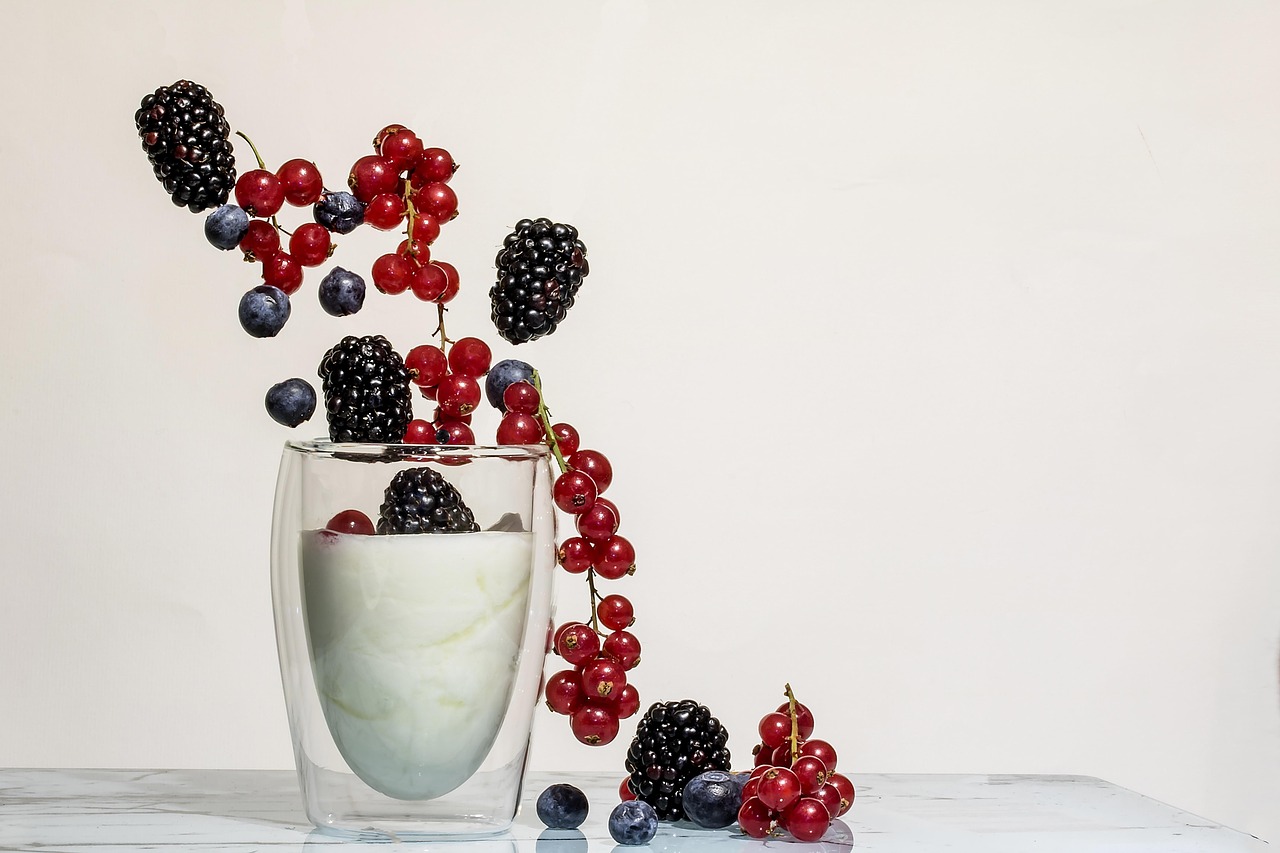

The latest research highlights new benefits beyond heart health. Studies out this year link Mediterranean style eating to improved cognitive performance, reduced brain fog, and metabolic shifts that support steady energy and weight management. Polyphenols from olives, nuts, and berries are turning heads for their anti inflammatory impact on both the brain and body.
Plant based eaters haven’t been left out. Traditional heavy hitters like fish and yogurt have strong plant swaps now: fermented tofu, almond yogurt, and walnut pesto are taking the reins. The goal is the same balance, color, whole ingredients but now it works flexibly whether you eat animal products or not.
High Protein Flex Diet
This plan isn’t about cutting every carb or chugging protein shakes all day. It’s about dialing in lean, high quality proteins think chicken breast, tofu, fish, eggs and giving yourself room to move with carbs based on your energy output. Whole grains, starchy veggies, and fruits are all fair game, used smartly around workouts or busier days.
The appeal here is balance. It supports fat loss by keeping you full longer and steadying blood sugar swings. At the same time, it safeguards muscle especially critical if you’re doing resistance training or losing weight fast. Unlike stricter diets, it doesn’t tank your metabolism or mood.
For anyone juggling work, fitness, and maybe a hectic family calendar, this diet fits in. It’s compatible with intermittent fasting too, since protein rich meals help control hunger during eating windows. Simple, flexible, and effective that’s why this one’s getting attention in 2026.
Timed Eating Patterns (Circadian Fasting)
Circadian fasting sharpens the intermittent fasting model by aligning eating windows with your body’s natural rhythms. Instead of picking arbitrary hours, this approach leans into science. The goal is to eat when your metabolism and insulin sensitivity are at their peak typically during daylight and fast when your body is better suited for repair.
2026 research backs this up. Multiple studies now link daytime focused eating to improved insulin response, gut microbiome diversity, and even sleep quality. It’s not just when you eat; it’s how your internal clock is processing that intake.
The flexibility of this method is what’s driving its rise. Early riser? Push your window to start with sunrise. Night owl? Shift it slightly, but still wrap up before late night snacking territory. Different goals? Fat loss, muscle gain, or general metabolic health all can be adjusted through tailored timing.
It’s still fasting, but smarter. Less about restriction, more about rhythm.
Climate Conscious Plant Based Diets
This isn’t about ditching meat overnight. It’s about eating smarter for both your body and the planet. The climate conscious plant based approach checks two major boxes: sustainable living and improved metabolic health. Think fewer ultra processed items and more real ingredients whole foods, legumes, fermented grains. These staples fuel energy, support digestion, and keep blood sugar stable, without the rigid limits of going fully vegan.
What makes this model stick is flexibility. You’re not forced to cut all animal products, but you are encouraged to scale back and swap in nutrient dense, plant forward meals that lower cholesterol over time. It’s a gradual shift that delivers long term impact good for your arteries, your gut, and the footprint you leave behind.
In 2026, more people are realizing that eating this way doesn’t mean sacrifice. It just means choosing foods that work harder nutritionally and ethically.
Low Glycemic Index (GI) Approach
The Low GI approach is having a moment in 2026 and it’s not just for people watching carbs. As hormone imbalances, PCOS, and insulin resistance hit the mainstream health conversation, more people are prioritizing blood sugar stability. That’s where the GI scale shines.
By focusing on foods that deliver a slow, steady release of glucose into the bloodstream, Low GI diets help reduce energy crashes, cravings, and metabolic swings. We’re talking oats over white toast, lentils instead of french fries, and smart pairing like fruit with protein.
The real kicker? GI tracking has gone digital. Meal planning apps now include easy to read GI charts, flagging spikes before they happen. Users can filter meals by glycemic impact, making it ridiculously simple to keep blood sugar curves flatter even on busy schedules.
Whether you’re dealing with hormonal disruptions or just aiming for more balanced energy throughout the day, Low GI eating is proving itself as more than a trend it’s a toolkit.
Personalized Macro Cycling
Personalized macro cycling isn’t just for pro athletes anymore. The concept is simple: rotate your intake of carbs, fats, and proteins based on your energy needs throughout the week. High carb on training days, higher fat on rest days, balanced macros when recovering. It’s a strategy rooted in physiology, helping your body adapt without hitting a plateau.
This method has gained serious traction among athletic circles and home fitness fans who want structure without rigidity. It’s tweakable. You can dial it in for strength training, cardio endurance, or fat loss. Plus, it keeps your meals interesting no more identical plates day after day.
Why it works long term? Adaptive metabolism. By varying nutrient intake, you avoid the metabolic slowdown that comes from static diets. It’s flexible, responsive, and doesn’t force your body or mind into burnout.
For more on customizing your macros by body type and lifestyle, read: How to Personalize Your Diet Plan Based on Your Body Type.
Behavioral Nutrition Coaching
This one’s not about cutting carbs or timing your smoothies it’s about getting your head straight before your fridge door opens. Behavioral nutrition coaching is where meal planning meets mindset. It doesn’t just tell you what to eat; it helps you understand why you eat the way you do. That means tracking patterns, not just macros like how your sleep, stress, and emotions drive your decisions around food.
The method is rooted in psychology, with coaches or apps offering real time insights based on your habits. Maybe you reach for sugar when you’re underslept. Maybe late night snacking is tied to anxiety, not hunger. The goal isn’t to shame those behaviors it’s to surface them so you can replace them with better ones.
People using this approach often stick with their nutrition goals longer. Not because they have more willpower, but because the plan fits into their actual life flaws and all. In 2026, this mindset first formula is quietly building the kind of consistency that crash diets can’t touch.
Takeaway for 2026
In the end, the perfect diet means nothing if it doesn’t fit your life. The biggest lesson from the top plans of 2026? The best one is the one you can actually stick to. Restrictive systems, no matter how promising, fall apart when they clash with real schedules, preferences, and moods.
What’s working now isn’t guesswork it’s data driven and hyper personal. We’ve moved past one size fits all meal plans. Wearables, health apps, and AI driven coaching are helping people tailor what they eat to how they actually live. That means fewer extremes and more adjustments based on what your body responds to.
Sustainability doesn’t mean perfection. You don’t have to hit your macros every single day. What matters more is showing up, learning from slip ups, and dialing into what works for you not someone else on your feed. Because in 2026, consistency beats intensity. Every time.
 Torveth Vandell has opinions about food trends and insights. Informed ones, backed by real experience — but opinions nonetheless, and they doesn't try to disguise them as neutral observation. They thinks a lot of what gets written about Food Trends and Insights, Dietary Restrictions and Alternatives, Healthy Diet Plans is either too cautious to be useful or too confident to be credible, and they's work tends to sit deliberately in the space between those two failure modes.
Reading Torveth's pieces, you get the sense of someone who has thought about this stuff seriously and arrived at actual conclusions — not just collected a range of perspectives and declined to pick one. That can be uncomfortable when they lands on something you disagree with. It's also why the writing is worth engaging with. Torveth isn't interested in telling people what they want to hear. They is interested in telling them what they actually thinks, with enough reasoning behind it that you can push back if you want to. That kind of intellectual honesty is rarer than it should be.
What Torveth is best at is the moment when a familiar topic reveals something unexpected — when the conventional wisdom turns out to be slightly off, or when a small shift in framing changes everything. They finds those moments consistently, which is why they's work tends to generate real discussion rather than just passive agreement.
Torveth Vandell has opinions about food trends and insights. Informed ones, backed by real experience — but opinions nonetheless, and they doesn't try to disguise them as neutral observation. They thinks a lot of what gets written about Food Trends and Insights, Dietary Restrictions and Alternatives, Healthy Diet Plans is either too cautious to be useful or too confident to be credible, and they's work tends to sit deliberately in the space between those two failure modes.
Reading Torveth's pieces, you get the sense of someone who has thought about this stuff seriously and arrived at actual conclusions — not just collected a range of perspectives and declined to pick one. That can be uncomfortable when they lands on something you disagree with. It's also why the writing is worth engaging with. Torveth isn't interested in telling people what they want to hear. They is interested in telling them what they actually thinks, with enough reasoning behind it that you can push back if you want to. That kind of intellectual honesty is rarer than it should be.
What Torveth is best at is the moment when a familiar topic reveals something unexpected — when the conventional wisdom turns out to be slightly off, or when a small shift in framing changes everything. They finds those moments consistently, which is why they's work tends to generate real discussion rather than just passive agreement.