What Macronutrients Actually Are
Macronutrients are the big three: protein, carbohydrates, and fat. They’re the fuel and building blocks your body can’t live without. Each plays a different role, but all three are essential. Skip one, and things start breaking down fast.
Protein repairs tissue, builds muscle, supports enzymes, and keeps your immune system from falling apart. Carbohydrates are your go to energy source think of them as the body’s preferred fuel, especially during physical and mental stress. And fat? Fat helps regulate hormones, supports cell structure, makes vitamins usable, and gives you long lasting energy.
Your body uses these macronutrients every day. Protein helps you recover after training or illness. Carbs power your workouts and your brain. Fat keeps everything running behind the scenes. Real balance comes from understanding that none of them are the enemy they’re all part of the equation for health, energy, and performance.
Protein: More Than Just Muscle Fuel
Protein isn’t just for bodybuilders. It’s how your body repairs tissue, builds enzymes and hormones, and keeps systems running smoothly from your immune responses to your hair growth. Every time you move, heal, or digest food, protein’s at work behind the scenes.
Not all protein is created equal, though. Complete proteins contain all nine essential amino acids your body can’t produce on its own. Think meat, fish, eggs, dairy, quinoa, and soy. Incomplete proteins (most plant based options like beans, nuts, and grains) are missing one or more of those amino acids. But you can still get everything you need by combining sources say, rice and beans for a full amino profile.
So how much do you actually need? In 2026, the general recommendation is about 0.8 grams of protein per kilogram of body weight for the average adult. But that’s the floor, not the ceiling. Athletes, pregnant individuals, or anyone in a muscle building or recovery phase should aim higher closer to 1.2 to 2.0 grams per kilogram, depending on intensity and need.
Where should it come from? Lean meats, eggs, and dairy are solid staples. But plant based eaters aren’t stuck they’ve got tofu, legumes, tempeh, lentils, edamame, seeds, and whole grains. Blending both can create a more sustainable, nutrient dense approach to protein without getting stuck in one lane.
Carbohydrates: The Body’s Preferred Energy

Not all carbs are created equal you’ve heard it, but in 2026 the line between simple and complex carbs matters more than ever. Simple carbs (like table sugar or white bread) are digested quickly, causing quick spikes and just as quick crashes in blood sugar. Complex carbs (think oats, lentils, sweet potatoes) take longer to break down, offering steadier energy without the crash. Where one jolts your system, the other fuels it sustainably.
Then there’s fiber. Technically a carb, but one your body barely digests on purpose. Fiber slows digestion, helps regulate blood glucose, keeps you full, and supports gut health. Skipping it in favor of ultra low carb diets? Not smart. In fact, the smartest carbs in 2026 are high fiber ones that work with your body: chickpeas, berries, quinoa, brown rice.
The myths haven’t died off. Keto still has a loyal camp, and low carb fads keep making viral returns. Here’s the reality: carbs aren’t the enemy. It’s about quality, not quantity. A heavily processed ‘low carb’ bar can do more harm than a small bowl of steamed brown rice.
Best sources today? Whole fruits, vegetables, legumes, and intact whole grains. These give you energy that sticks around fuel without spikes, crashes, or guilt. Carbs, done right, support not sabotage. Your body runs on them for a reason.
Fat: Essential, Not Optional
Fat has taken a beating in headlines for decades, but in 2026, the science is clearer than ever: fat isn’t the enemy bad fat is. The right kinds of fat are vital. They help regulate hormones, build cell membranes, support brain function, and allow your body to absorb fat soluble vitamins like A, D, E, and K. Cut all fat from your diet, and you’re cutting corners your body can’t afford.
There are three main types of fat to know about:
Saturated fat: Found in animal products and some tropical oils. In moderate amounts, especially from whole food sources, it’s stable and energy dense.
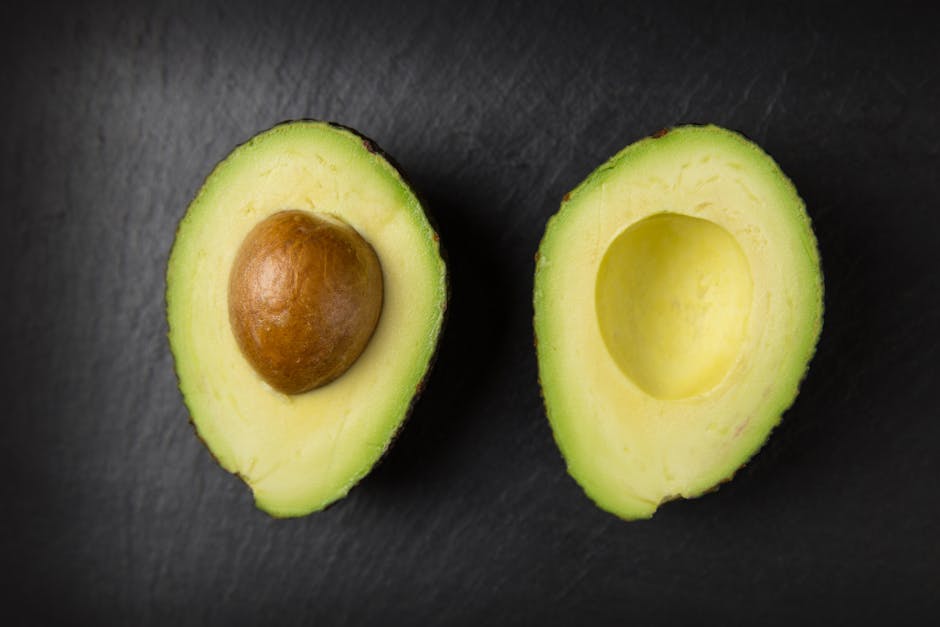
Unsaturated fat: Typically the MVP. Found in nuts, seeds, avocados, and fatty fish. It’s heart friendly, anti inflammatory, and often linked to longevity.
Trans fat: Mostly industrial. Still hanging around in some baked goods and processed snacks. Your best move is to steer clear.
The low fat craze of the past led to a boom in artificial fillers and high sugar alternatives. It didn’t make us healthier. In fact, stripping fat from food often strips away flavor and satisfaction leading to over snacking later.
Instead, focus on fat quality. Prioritize options like extra virgin olive oil, wild salmon, flaxseeds, walnuts, pasture raised eggs, chia seeds, and even some fermented dairy. Real fat from real food always beats lab made substitutes.
No need to drown your meals in oil, but don’t avoid fat for the sake of old diet rules either. It’s essential. It’s powerful. And when you get it right, your body runs smoother across the board.
Balancing Macros: Daily Life, Simplified
Tracking your macros doesn’t have to feel like prepping for a math test. Start with the basics: protein, carbs, and fat all play distinct roles, and knowing roughly how much of each you’re eating can shift everything energy, mood, even results at the gym. Use a food tracking app (like MyFitnessPal or Cronometer) for a week to get a ballpark idea. Don’t micromanage every bite just build awareness.
Next, align your macro targets with your actual goals. Trying to lose fat? You’ll probably want higher protein, moderate carbs, and lower fat. Maintenance usually leans on balanced ratios something like 30% protein, 40% carbs, 30% fat. For muscle gain, you might bump up both carbs and protein. These are just starting points tweak as you go.
Portion size matters, but so does food quality. 40 grams of carbs from quinoa hits different than 40g from a donut, even if the macro math is the same. Whole foods tend to be more nutrient dense and satisfying, making them easier to eat in balance. Learn to eyeball portions too a palm of protein, a cupped hand of carbs, a thumb of fat. No scale necessary.
(Pro tip make sense of food packaging faster with this guide on reading nutrition labels)
Staying Flexible in 2026
Ditch the Rigid Plans
Strict, one size fits all meal plans are quickly becoming outdated. In 2026, people are moving toward more intuitive, flexible ways of eating that still support their health and fitness goals. Instead of following rigid daily templates, smart eaters focus on listening to their bodies, understanding macros, and making daily food decisions without guilt or guesswork.
Why flexible eating is on the rise:
Supports long term sustainability over short term compliance
Adapts to real life situations like travel, social events, or a change in appetite
Reduces the mental stress of “falling off plan”
Tech Driven Macro Tracking
Thanks to advancements in food tracking apps and wearable integrations, monitoring your macronutrients in 2026 is easier and more accurate than ever. Whether you’re using AI powered meal suggestions or voice activated logging, the process is streamlined, making it accessible even for beginners.
Noteworthy developments:
Barcode scanning and image recognition make food logging fast and intuitive
Smart scales and apps now sync automatically to give real time macro breakdowns
AI provides adaptive meal planning based on your prior habits and goals
Consistency > Perfection
Ultimately, success with macronutrient tracking and nutrition in general boils down to consistency. Obsessing over perfect tracking or hitting exact gram targets each day can lead to burnout. Embracing flexibility while focusing on long term patterns leads to better results with less frustration.
Remember:
A near perfect week is more effective than a perfect day followed by three off days
Cultivate habits, not rules
The goal isn’t to hit macros flawlessly it’s to fuel your life, not control it
 Josephine Schulerztin has opinions about meal prep strategies. Informed ones, backed by real experience — but opinions nonetheless, and they doesn't try to disguise them as neutral observation. They thinks a lot of what gets written about Meal Prep Strategies, Delicious Recipe Ideas, Nutrition Tips and Advice is either too cautious to be useful or too confident to be credible, and they's work tends to sit deliberately in the space between those two failure modes.
Reading Josephine's pieces, you get the sense of someone who has thought about this stuff seriously and arrived at actual conclusions — not just collected a range of perspectives and declined to pick one. That can be uncomfortable when they lands on something you disagree with. It's also why the writing is worth engaging with. Josephine isn't interested in telling people what they want to hear. They is interested in telling them what they actually thinks, with enough reasoning behind it that you can push back if you want to. That kind of intellectual honesty is rarer than it should be.
What Josephine is best at is the moment when a familiar topic reveals something unexpected — when the conventional wisdom turns out to be slightly off, or when a small shift in framing changes everything. They finds those moments consistently, which is why they's work tends to generate real discussion rather than just passive agreement.
Josephine Schulerztin has opinions about meal prep strategies. Informed ones, backed by real experience — but opinions nonetheless, and they doesn't try to disguise them as neutral observation. They thinks a lot of what gets written about Meal Prep Strategies, Delicious Recipe Ideas, Nutrition Tips and Advice is either too cautious to be useful or too confident to be credible, and they's work tends to sit deliberately in the space between those two failure modes.
Reading Josephine's pieces, you get the sense of someone who has thought about this stuff seriously and arrived at actual conclusions — not just collected a range of perspectives and declined to pick one. That can be uncomfortable when they lands on something you disagree with. It's also why the writing is worth engaging with. Josephine isn't interested in telling people what they want to hear. They is interested in telling them what they actually thinks, with enough reasoning behind it that you can push back if you want to. That kind of intellectual honesty is rarer than it should be.
What Josephine is best at is the moment when a familiar topic reveals something unexpected — when the conventional wisdom turns out to be slightly off, or when a small shift in framing changes everything. They finds those moments consistently, which is why they's work tends to generate real discussion rather than just passive agreement.