Why Meal Prepping Still Works in 2026
Meal prepping isn’t just a trendy hashtag it’s a time tested way to make busy weeks less chaotic. By cooking in batches and planning ahead, you end up saving hours that would otherwise disappear into takeout menus, last minute grocery runs, or staring blankly into your fridge. It also helps cut down the cost of food. You buy in bulk, you waste less, and eating out becomes a choice not a crutch.
Portion control naturally builds in. When you prep your meals, you’re more aware of what’s going into your body. It’s easier to skip the sugary add ons, balance your macros, and avoid going back for thirds just because something tastes good. Clean eating becomes the baseline, not the goal.
And there’s the waste factor. Leftovers get a purpose. Veggies you bought with good intentions finally make it into meals before they wilt. Meal prep turns your kitchen into a system a simple one with fewer impulsive snacks and less food hitting the trash by Friday. Bottom line: it helps you eat better and live sharper, one container at a time.
Getting Started Without Getting Overwhelmed
Start simple. You don’t need a professional grade kitchen to meal prep. What you do need is the right gear to make food storage clean and repeatable. Invest in a solid set of containers glass if you can swing it, BPA free plastic if you can’t. Get a label maker or some masking tape and a Sharpie; knowing what’s in your fridge (and when you made it) removes friction. A decent food scale helps with portion control it’s not about perfection, it’s about getting a feel for consistent eating.
Now look at your pantry. The goal here is to build a basic, flexible foundation. Think staple grains like brown rice, quinoa, whole grain pasta; proteins like canned beans, lentils, tuna; go to spices like garlic powder, cumin, chili flakes, and salt that actually has some mineral content. When you’ve got the right basics, you stop relying on takeout.
Last, sketch out a prep rhythm that works with your life, not against it. Maybe Sunday mornings work for you. Maybe prepping two times per week keeps things fresh. The key is to block out the time treat it like any other commitment. No need to prep every meal or every day. Find your minimum viable prep and build from there.
Choosing the Right Meal Prep Format
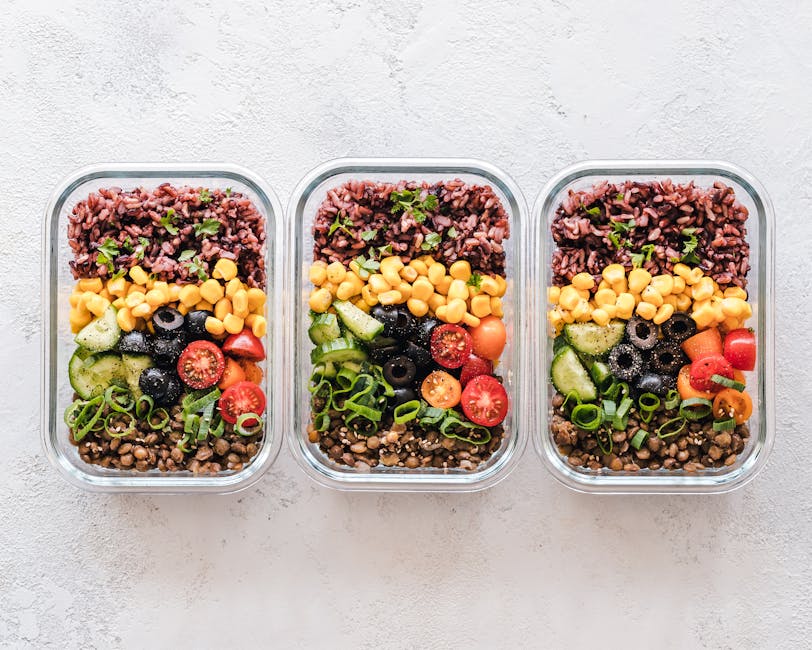
When it comes to meal prepping, most people land in one of two camps: batch cooking or portion based prep. Both get the job done, but they offer different trade offs.
Batch cooking is about volume. You make a big pot of chili, roast a tray of vegetables, cook up a few pounds of protein all to be mixed and matched through the week. It’s efficient and cuts down on time. But the downside? Repetition. You’ll be eating similar meals unless you get clever with spices or sauces.
Portion based prep takes more time upfront but makes life easier day to day. Think individual boxes of ready made meals grab and go simplicity. The downside here? Less flexibility. If you’re craving something different mid week, you’re stuck.
Enter the hybrid model. Cook your base ingredients in bulk grains, proteins, roasted veg but store them separately. That lets you build meals on the fly, without having to actually cook every day. You get structure and freedom a rare combo.
To keep things interesting, lean into seasonings, sauces, and mix ins that can change up flavor profiles quickly. One batch of chicken can become tacos on Monday, a rice bowl on Wednesday, and soup on Friday without extra effort.
Want to get more dialed in? Learn how to simplify your prep in How to Save Time and Money with Batch Cooking.
Your First Week of Meal Prep (Step by Step)
Taking your first steps into meal prepping doesn’t have to be complicated. Here’s how to structure your week, eat balanced meals, and make the most of your effort without sacrificing flavor or variety.
Build a Balanced Plate
When prepping meals, aim to include all essential macronutrients and fiber. A well rounded meal keeps you satisfied longer and helps maintain consistent energy levels.
Protein: chicken, tofu, chickpeas, lean beef, eggs
Carbohydrates: quinoa, brown rice, sweet potatoes, lentils
Healthy fats: avocado, olive oil, seeds, almonds
Fiber: leafy greens, broccoli, berries, whole grains
Tip: Use the plate method half vegetables, one quarter protein, one quarter carbs as a visual guide during prep.
Grocery List Tips
Your grocery list should reflect your week’s goals, not just random recipes. Keep it lean, intentional, and aligned with what you’ll actually cook.
Plan with purpose:
Start with your target number of meals (e.g. 3 lunches, 3 dinners)
Build meals around ingredients that can be reused in multiple dishes
Focus on seasonal items (they’re fresher and cheaper)
Core grocery categories to cover:
Proteins: fresh or frozen options
Produce: both fresh and pre cut for convenience
Grains & carbs: aim for bulk items where possible
Pantry staples: sauces, seasoning, oils, canned beans
A Basic 3 Day Template for Beginners
Overcommitting is a common mistake. Instead, start with a manageable 3 day cycle. After that, adjust based on your pace and schedule.
Day 1 (Monday)
Lunch: Grilled chicken with roasted vegetables and quinoa
Dinner: Turkey chili with kidney beans and brown rice
Day 2 (Tuesday)
Lunch: Tofu stir fry with broccoli, bell peppers, and rice noodles
Dinner: Baked salmon with sweet potato and steamed spinach
Day 3 (Wednesday)
Lunch: Chickpea and farro salad with cucumber and feta
Dinner: Whole grain pasta with veggie marinara and shredded chicken
Prep Tip: Store meals in clear, labeled containers so you can quickly identify each dish.
Reheating Without Compromising Taste
A great prep can turn disappointing if it doesn’t reheat well. Preserve texture and flavor by learning how to reheat smart.
Reheating Tips:
Use the stovetop or oven for proteins to avoid rubbery textures from microwaving
If you must microwave, add a damp paper towel over the container to retain moisture
Reheat grains separately when possible they often benefit from a splash of water
Avoid overcooking vegetables; keep them slightly underdone during prep to prevent sogginess later
Remember, meal prepping is about making life easier not perfect. Start small, stay consistent, and refine your method over time.
Staying Consistent Without Burnout
Consistency is the key to making meal prep a sustainable habit but it shouldn’t feel like a chore. Here’s how to stay motivated while still keeping things fresh and flexible.
Rotate to Stay Inspired
Repeating the same meals can save time, but it often leads to burnout. Keep it interesting by introducing a monthly rotation.
Theme your weeks: For example, go Mediterranean one week, Tex Mex the next.
Change up proteins: Swap out chicken for lentils, tofu, or eggs to vary nutrition and flavor.
Seasonal produce swap: Use what’s in season to naturally freshen up your go to recipes.
Making a simple meal tracker or rotating recipe bank can help you remember what you’ve enjoyed and avoid falling into a food rut.
Spontaneity is Part of the Plan
Not every meal needs to be prepped in advance. In fact, leaving space for impulse meals can help you stick with your overall routine longer.
Leave 1 2 meals unplanned each week for trying something new or ordering in without guilt.
Keep neutral ingredients prepped (like cooked grains or sliced veggies) that can be flexibly thrown into different meals.
Prepped but not assembled: Store components separately so you can mix and match throughout the week.
Don’t Skip the Comfort Foods
Healthy doesn’t have to mean bland or boring. Build a few comforting staples into your weekly lineup that still align with your goals.
Make healthier versions of your favorites think turkey meatballs instead of beef, or cauliflower mash instead of potatoes.
Use flavor forward ingredients like garlic, ginger, and chili to elevate simple dishes.
Balance is key: One indulgent but portioned meal can keep you satisfied and on track.
Meal prepping with variety, flexibility, and enjoyment in mind sets you up for long term success without burnout.
Prep Smarter, Live Better
Rethinking the Way You Eat
Meal prepping isn’t just about food storage it’s a mindset shift. When you prep ahead, you make deliberate decisions about what goes into your body. You become more aware of your cravings, habits, and overall relationship with food.
Intentional eating beats reactive choices You’re less likely to reach for junk when balanced meals are ready to go.
Better planning leads to better nutrition Putting in 30 minutes to plan your meals for the week can lead to consistent, healthier choices.
Control your portions, control your progress Pre portioning meals keeps guesswork out of the equation.
Time Back on Your Side
One of the most underrated benefits of meal prepping: the hours you reclaim. Cooking is more efficient when done in blocks, and cleanup gets reduced to once or twice a week.
Save 5 10 hours weekly just by consolidating your cooking sessions
Fewer last minute grocery runs and fewer decisions to make at mealtime
More time for fitness, relaxation, or just catching your breath
A Reminder: Progress Over Perfection
You don’t have to hit every macro or follow your plan flawlessly to benefit from meal prepping. Consistency beats all or nothing thinking.
Some weeks, you’ll prep every meal. Others may look more like a mix. That’s okay.
One homemade dinner is better than none. Small wins compound over time.
The goal is to build a lifestyle, not a rigid rulebook.
At the end of the day, meal prepping supports a healthier, easier daily rhythm. Keep it flexible, keep it realistic and most importantly, keep going.
 Torveth Vandell has opinions about food trends and insights. Informed ones, backed by real experience — but opinions nonetheless, and they doesn't try to disguise them as neutral observation. They thinks a lot of what gets written about Food Trends and Insights, Dietary Restrictions and Alternatives, Healthy Diet Plans is either too cautious to be useful or too confident to be credible, and they's work tends to sit deliberately in the space between those two failure modes.
Reading Torveth's pieces, you get the sense of someone who has thought about this stuff seriously and arrived at actual conclusions — not just collected a range of perspectives and declined to pick one. That can be uncomfortable when they lands on something you disagree with. It's also why the writing is worth engaging with. Torveth isn't interested in telling people what they want to hear. They is interested in telling them what they actually thinks, with enough reasoning behind it that you can push back if you want to. That kind of intellectual honesty is rarer than it should be.
What Torveth is best at is the moment when a familiar topic reveals something unexpected — when the conventional wisdom turns out to be slightly off, or when a small shift in framing changes everything. They finds those moments consistently, which is why they's work tends to generate real discussion rather than just passive agreement.
Torveth Vandell has opinions about food trends and insights. Informed ones, backed by real experience — but opinions nonetheless, and they doesn't try to disguise them as neutral observation. They thinks a lot of what gets written about Food Trends and Insights, Dietary Restrictions and Alternatives, Healthy Diet Plans is either too cautious to be useful or too confident to be credible, and they's work tends to sit deliberately in the space between those two failure modes.
Reading Torveth's pieces, you get the sense of someone who has thought about this stuff seriously and arrived at actual conclusions — not just collected a range of perspectives and declined to pick one. That can be uncomfortable when they lands on something you disagree with. It's also why the writing is worth engaging with. Torveth isn't interested in telling people what they want to hear. They is interested in telling them what they actually thinks, with enough reasoning behind it that you can push back if you want to. That kind of intellectual honesty is rarer than it should be.
What Torveth is best at is the moment when a familiar topic reveals something unexpected — when the conventional wisdom turns out to be slightly off, or when a small shift in framing changes everything. They finds those moments consistently, which is why they's work tends to generate real discussion rather than just passive agreement.