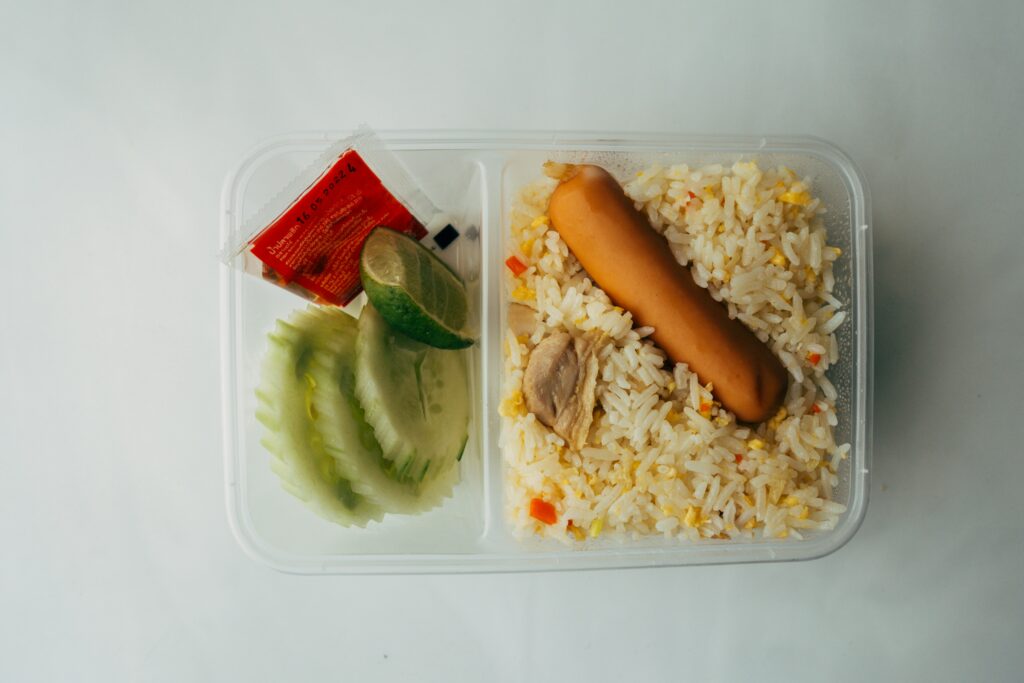
Define the Big Picture: Your Health Goals
You can’t hit a target you haven’t defined. Whether you’re aiming to drop a few pounds, boost your energy, improve digestion, or play the long game with longevity, your weekly meal plan needs to reflect those priorities. You don’t need to chase them all pick one or two that matter most right now, then build around that.
Crash diets? They don’t stick. What does: showing up week after week with consistent meals that serve your body’s needs. Small wins stacked over time beat temporary extremes. A steady meal rhythm helps regulate blood sugar, reduce cravings, and support metabolic health all without feeling like you’re constantly starting over.
Also, food doesn’t work in isolation. Nutrition is one leg in the wellness tripod, alongside sleep and movement both of which are tougher when you’re underfed or overdosed on sugar. Stress plays its role too, so aim for meals that stabilize rather than spike you. When your food plan lines up with the rest of your life, everything just moves better.
Know Your Nutritional Non Negotiables
Start with the basics: you need enough protein to support muscle, recovery, and satiety. That usually means 0.6 to 1 gram per pound of body weight, depending on your goals and activity level. Fiber matters too aim for 25 35 grams daily. It keeps digestion running smoothly and supports a healthy gut. Healthy fats? Non negotiable. Think nuts, seeds, oily fish, olive oil. They regulate hormones, fuel your brain, and help absorb fat soluble vitamins. Micronutrients like magnesium, vitamin D, B12, iron, and potassium round out the essentials. Get blood work once in a while to see where you stand.
In 2026, the whole food vs. processed food debate has clarity: whole foods still win. That doesn’t mean you have to make every meal from scratch. It means most of your plate most of the time should come from real ingredients: veggies, legumes, lean proteins, whole grains. Processed doesn’t always mean bad, but ultra processed meals built for shelf life over substance? Keep those occasional.
As for portion control skip the calorie counting micromanagement. Focus on structure: a palm of protein, a fist of carbs, a thumb of fat, and two fists of veggies. Eat until 80% full. Pay attention. Your body gives feedback. Use it.
Build a Simple, Repeatable Framework
A good meal plan shouldn’t feel like a second job. The key is to set up a simple weekly structure that’s easy to repeat, but flexible enough to shift when life does. Think of it as more blueprint than blueprint.
Here’s a sample framework that works for many:
Monday Thursday: Stick to nutrient dense base meals. Think lean protein, whole grains, healthy fats, and plenty of vegetables. These are your autopilot days lunches and dinners that require minimal decision making and keep your body fueled.
Friday: Go flexible. Plan for a dinner out, a spontaneous home cooked experiment, or leftovers. Keep it intentional but relaxed.
Saturday: This is your prep day. Batch cook proteins, grains, sauces, or even full meals. Chop veggies, portion snacks, and knock out anything else that buys you time next week.
Sunday: Use this for your weekly reset shop, regroup, and sketch out the days ahead. Doesn’t need to be complicated, just clear enough so you’re not playing fridge roulette on Tuesday.
Time savers that help the whole thing stick: freezer friendly meals that reheat well (soups, stir fries, muffins), overnight oats for grab and go breakfasts, and pre cut veggies or salad kits that cut down on prep fatigue. Keep tools sharp, ingredients basic, and your system good enough to run on autopilot most days.
Consistency isn’t about being perfect it’s about making fewer decisions in the moment so you can stay on track long term.
Prioritize Nutrient Dense Meal Rotation

Eating the same meals every day might save time, but it chips away at one of the basics of good nutrition: diversity. Different foods bring different micronutrients, fiber types, and phytonutrients to the table. Limit your variety too much, and gaps start forming iron here, omega 3s there. Over time, that sameness can quietly undermine even the most calorie aware plan.
That said, variety doesn’t mean chaos. It means working within structure. Keep your comfort meals just cycle them smartly. Swap your brown rice for quinoa this week. Rotate chicken with fish, lentils, tofu. If you always roast broccoli, toss in red cabbage or seasonal greens. Lean on spice blends, marinades, and sautéing styles to freshen up the familiar without reinventing the wheel.
To make it easy, build a rotation list. Three proteins, three grains, and a few go to vegetables per week. Mix and match. Over a month, aim for 30+ different plant based ingredients. You don’t need to memorize food pyramids just keep things moving. Seasonal produce makes the job easier and often cheaper. Let your grocery run be a nudge, not a burden.
Smart Grocery Strategy
Your grocery list isn’t just a shopping chore it’s the foundation of your meal plan’s success. A strategic list helps you stay on track nutritionally, save time during the week, and avoid unnecessary spending or waste.
Why It Matters
A well prepared shopping list minimizes mid week impulse buys
It reduces decision fatigue during daily meal moments
It helps ensure you always have the basics for healthy, balanced meals on hand
Tiered Shopping List System
To make list building easier and functional, divide items into clear priority tiers. This helps with budgeting, avoids food waste, and makes grocery trips more intentional.
Tier 1: Essentials (Weekly Must Haves)
These are the non negotiables that form the core of your meals:
Leafy greens (spinach, kale, arugula)
Proteins (chicken, tofu, lentils, eggs)
Whole grains (brown rice, quinoa, oats)
Healthy fats (olive oil, avocados, nuts)
Tier 2: Optional Add Ons (Flavor & Flexibility)
These items enhance variety but aren’t critical every week:
Fresh herbs, specialty sauces, marinades
Fun produce based on weekly sales or cravings
Alternative grains, plant based proteins
Tier 3: Bulk/Occasional Purchases
Buy these once a month or when stock runs low:
Frozen fruits and veggies for convenience
Dried legumes, pasta, and rice
Nut butter, seeds, baking essentials
Storage & Freshness Strategy
Buying food is one step keeping it fresh is another. Plan with storage and shelf life in mind to make the most of what you buy.
Group produce based on perishability: use quick spoiling items first
Freeze excess protein portions, berries, or bread to avoid spoilage
Use airtight containers and clear labeling for leftovers and prepped items
Minimize Waste, Maximize Value
Stick to the list impulse buys often lead to waste
Get creative with what’s left at the end of the week (soups, stir fries, smoothies)
Shop with meals in mind, not just individual ingredients
Ultimately, your grocery list is a silent partner in building healthier habits. When you shop smart, you eat smarter and with far less stress.
Stay Flexible Without Falling Off
Life doesn’t care about your meal plan. You’ll hit weeks when the fridge is empty, a friend calls with last minute takeout plans, or every meal idea sounds like cardboard. That’s not failure that’s normal. The key? Bounce back, not spiral out.
Missed a prep night? Lean on your backup staples. Frozen veg, canned beans, eggs, oats these are your emergency rations. Get something functional on the plate and move on. One off day (or three) isn’t the issue. It’s what you do next that counts.
Don’t drag guilt into the kitchen. Trying to be perfect is the fastest way to burn out. Instead, aim for 80/20 consistency. If you’re eating planned meals most of the week, you’re winning. Period.
As for planning tools use what actually fits your brain. Meal planning apps are great if you love notifications, macros, and grocery syncing. Old school notebooks work if writing things down helps you focus. There’s no one method. Just make sure you can stick with it when motivation dips. Your system should carry you, not make you feel behind.
This is long game thinking. Stay flexible, keep showing up, and don’t let a drive thru dinner turn into a weeklong detour.
Keep Evolving With Your Body and Lifestyle
A weekly meal plan isn’t set in stone it’s a tool. And tools should adjust as life changes. What works in your 20s might feel off in your 40s. As metabolism, hormones, and activity levels shift, your plate needs to keep up. Whether you’re training harder, adjusting to a medical diagnosis, or just feeling different in your own skin your meal plan should reflect that.
You don’t need a lab coat or spreadsheets. Pay attention to the basics: energy levels, digestion, mood, and cravings. Are you crashing mid afternoon? Maybe you need more protein at breakfast. Bloated after dinner? Time to test out fewer processed carbs. Small clues like these help you reroute without needing to start from scratch.
Stay curious. Ask your body what’s working, and what isn’t. Tweak things one meal at a time. And if you want to dive deeper, check out The Ultimate Guide to Building a Balanced Diet Plan.
A solid meal plan isn’t about rigid rules or perfect days. It’s about showing up for yourself with food that sustains your body, supports your goals, and fits your life. Over time, those simple decisions buying good ingredients, prepping a few staples, sticking to a rhythm compound into real change.
No plan stays perfect forever, but that’s not the point. The goal is progress: more days fueled by nutrient dense meals, fewer decisions made in a rush. Your needs will shift. Your schedule will flip. But if your plan can flex with you and you keep coming back to it you’re already winning.
Treat meal planning like a training ground, not a test. Let it evolve as you do. The future you’re building deserves that kind of commitment.
 Josephine Schulerztin has opinions about meal prep strategies. Informed ones, backed by real experience — but opinions nonetheless, and they doesn't try to disguise them as neutral observation. They thinks a lot of what gets written about Meal Prep Strategies, Delicious Recipe Ideas, Nutrition Tips and Advice is either too cautious to be useful or too confident to be credible, and they's work tends to sit deliberately in the space between those two failure modes.
Reading Josephine's pieces, you get the sense of someone who has thought about this stuff seriously and arrived at actual conclusions — not just collected a range of perspectives and declined to pick one. That can be uncomfortable when they lands on something you disagree with. It's also why the writing is worth engaging with. Josephine isn't interested in telling people what they want to hear. They is interested in telling them what they actually thinks, with enough reasoning behind it that you can push back if you want to. That kind of intellectual honesty is rarer than it should be.
What Josephine is best at is the moment when a familiar topic reveals something unexpected — when the conventional wisdom turns out to be slightly off, or when a small shift in framing changes everything. They finds those moments consistently, which is why they's work tends to generate real discussion rather than just passive agreement.
Josephine Schulerztin has opinions about meal prep strategies. Informed ones, backed by real experience — but opinions nonetheless, and they doesn't try to disguise them as neutral observation. They thinks a lot of what gets written about Meal Prep Strategies, Delicious Recipe Ideas, Nutrition Tips and Advice is either too cautious to be useful or too confident to be credible, and they's work tends to sit deliberately in the space between those two failure modes.
Reading Josephine's pieces, you get the sense of someone who has thought about this stuff seriously and arrived at actual conclusions — not just collected a range of perspectives and declined to pick one. That can be uncomfortable when they lands on something you disagree with. It's also why the writing is worth engaging with. Josephine isn't interested in telling people what they want to hear. They is interested in telling them what they actually thinks, with enough reasoning behind it that you can push back if you want to. That kind of intellectual honesty is rarer than it should be.
What Josephine is best at is the moment when a familiar topic reveals something unexpected — when the conventional wisdom turns out to be slightly off, or when a small shift in framing changes everything. They finds those moments consistently, which is why they's work tends to generate real discussion rather than just passive agreement.