Why Batch Cooking Works
Let’s keep it simple: batch cooking works because it strips away the daily stress of figuring out what to eat. By prepping meals for the week in one go, you save hours, minimize grocery trips, and dodge the temptation of random takeout. It also cuts costs buying in bulk is cheaper, and you waste less food.
Portion control is built right in. When you prep in advance, you decide serving sizes before you’re hungry. That makes it easier to stay consistent with your eating goals, whether you’re watching calories, macros, or just trying to stop skipping meals.
For anyone juggling work, workouts, parenting or just life batch cooking is a no brainer. It sets you up with good food, fast decisions, and less stress. The rest of your week runs smoother when meals are already handled.
Get Your Strategy Locked In
Before you even head to the grocery store, a solid meal plan is your best time saving tool. Being intentional about what to cook ensures you aren’t wasting money, time, or ingredients.
Choose 3 4 Core Dishes
Avoid overwhelming your week or your fridge batch cooking works best when you stick to just a few main dishes. Focus on recipes that:
Are time efficient to prepare in bulk
Store well for several days or can be frozen
Use similar base ingredients (more on that below)
Examples:
A grain bowl (with different protein/veggie combos)
A hearty stew or soup
A stir fry or baked protein dish
A pasta bake or casserole
Stick to Versatile, Flexible Ingredients
Think building blocks, not one off items. Choosing ingredients that work across multiple dishes helps streamline your prep without getting boring.
Proteins: chicken breast, ground turkey, tofu, lentils
Grains: brown rice, quinoa, farro, whole grain pasta
Veggies: broccoli, bell peppers, spinach, carrots, zucchini
These can be roasted, sautéed, added to soups, sauces, or used raw keeping things simple but varied.
Make Ingredients Work Harder
One of the smartest batch cooking strategies is overlap. Use the same base elements in multiple meals to maximize efficiency and reduce waste.
Chop all your onions, carrots, or garlic at once
Cook a large batch of grains that you divide across two or three meals
Use a single protein three ways by changing the seasoning or sauce
By planning this way, you save on prep time and keep your grocery list lean.
Smart Grocery Shopping
An efficient grocery trip sets the tone for a successful batch cooking session. A little planning at the store can save you time in the kitchen and help you stick to your meal prep goals.
Streamline with a Section Based List
To avoid zigzagging through the store, organize your grocery list by store sections:
Produce: Fresh vegetables, fruits, herbs
Proteins: Chicken, tofu, eggs, legumes
Grains & Staples: Rice, oats, quinoa, pasta
Frozen: Pre cut veggies, berries, steamable grains
Dairy/Alternatives: Greek yogurt, cheese, plant based milk
Pantry: Beans, canned tomatoes, pasta sauce, spices
This method helps you move quickly and avoid grabbing unnecessary items.
Use Convenience Smartly
Not everything has to be prepped from scratch. Pre cut or frozen ingredients can save serious time and still deliver solid nutrition:
Pre chopped onions, peppers, and salad greens cut down on slicing time
Frozen veggies and fruit are just as nutritious and great for smoothies or stir fries
Canned beans and legumes reduce soaking and cooking time
Choose convenience items in areas of prep you find most tedious.
Flavor is Key Don’t Skip the Extras
Even with the same base ingredients, you can change the flavor profile of your meals with:
Dried and fresh herbs like basil, thyme, cilantro
Spices such as paprika, cumin, cinnamon, or turmeric
Fun sauces including hummus, tahini, salsa, hot sauce, or low sugar dressings
These finishing touches can turn simple ingredients into meals you actually look forward to eating.
Batch Cooking Basics
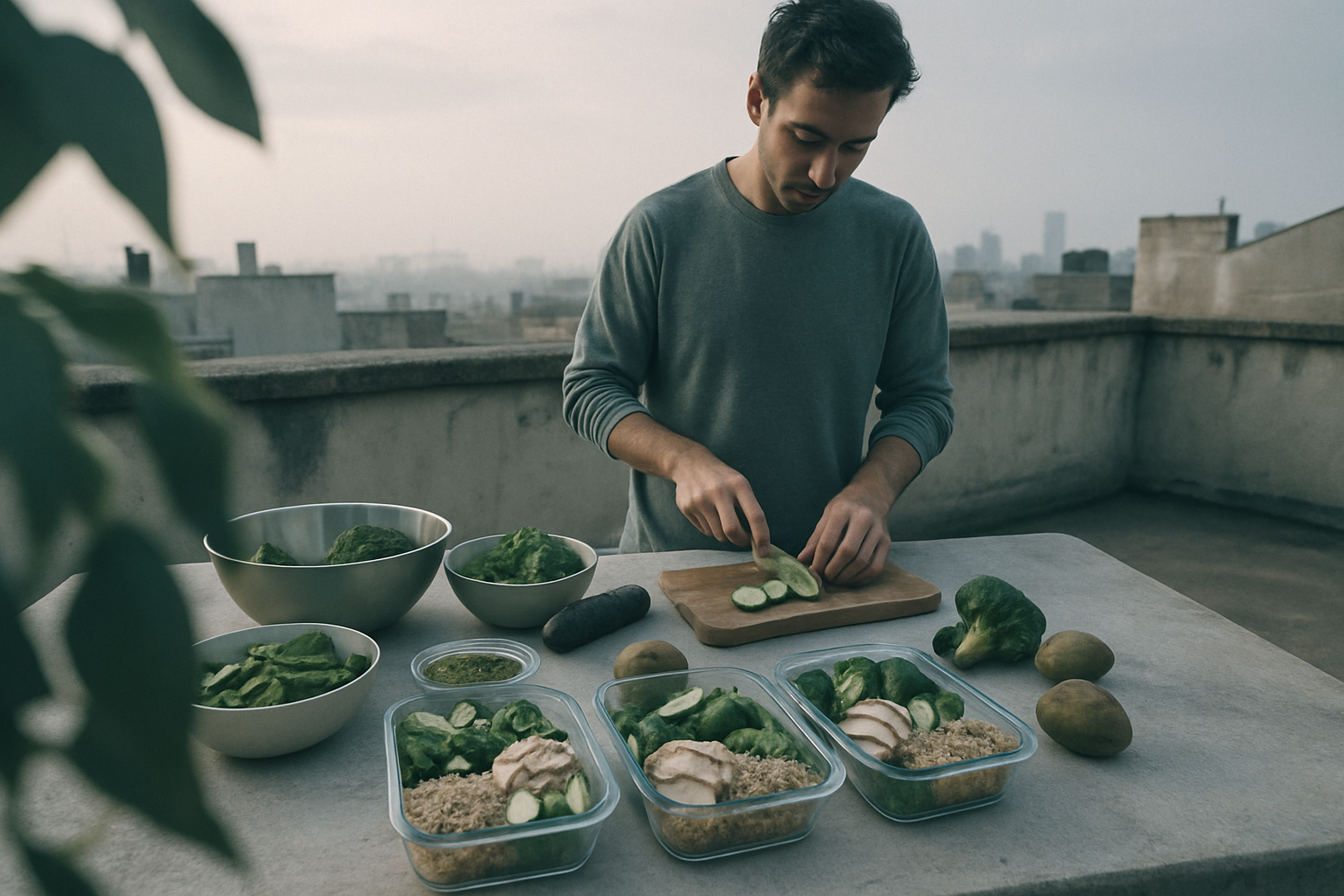
First things first set aside 2 to 3 hours of your weekend. No distractions, no excuses. This is your meal prep window, and it matters.
Start by cooking proteins and grains at the same time. One sheet pan in the oven with chicken or tofu. A pot of quinoa or rice on the stove. Maybe beans or pulled pork slow cooking in the background. You’re not just prepping meals you’re stacking efficiency.
Use every inch of your kitchen. Sheet pans let you roast a bunch of vegetables at once. Multi compartment pans or double decker steamers cut your time in half. Think of your cookware like tools in a workshop choose the right ones, and everything moves faster.
Last, don’t skimp on storage. Invest in solid food containers that stack neatly in the fridge and actually seal properly. Clear lids help you see what you’ve got, which means less food waste and no mystery meals at the back of the fridge.
Get this system down, and batch cooking becomes a habit that runs almost on autopilot.
Storage Know How
Once the cooking’s done, how you store your meals can make or break your week. Go for single serve containers grab and go beats digging through a giant Tupperware at 7 a.m. Not only does it save time, it also keeps portions consistent and supports better eating habits.
Label everything. Seriously. A simple sticker with the date and what’s inside keeps the guesswork out and the food safety on point. If it’s not something you’ll eat in the next 72 hours, don’t let it sit in the fridge freeze it. A good freezer stash is your backup plan for sick days, late nights, or days when cooking just isn’t going to happen.
Store smart, eat smart. That’s the move.
Keep It Interesting All Week
Eating the same thing every day can kill your motivation, no matter how healthy it is. The key? Variety without more cooking. Start by changing up textures and seasonings use the same grain base but switch the toppings. Quinoa with a smoky chipotle sauce on Monday can easily become quinoa with lemon tahini by Wednesday.
Keep your sauces, condiments, and garnishes stored separately in small containers. This lets you mix and match when you’re ready to eat, instead of locking yourself into one flavor profile. Think salsa, chimichurri, curry yogurt, or roasted nuts for a topping swap that adds minimal work but major taste.
Some weeks, even that won’t cut it. That’s when you pull a mid week rotation. Swap meals around, freeze one and defrost something you stashed earlier, or toss one component into a new combo like turning yesterday’s roasted veggies into today’s wrap or salad.
Batch cooking doesn’t need to feel like leftovers. With just a bit of smart prep and flexibility, it becomes your custom menu that evolves all week.
Nutritional Guidance You Can Trust
Batch cooking isn’t just about saving time it’s also a smart way to align with the nutrition principles of the ONTPDiet. At its core, ONTP focuses on nutrient density, balance, and sustainability. That means meals built around whole foods, steady energy, and practical prep not fads or crash fixes.
By cooking in batches, you can front load the effort it takes to eat cleaner. You’re in full control of your ingredients, macros, and portions. It’s easier to get consistent fiber, protein, and healthy fats into every meal when you plan for it and easier to avoid reaching for junk when good food is ready to go. Think of it as nutrition on autopilot.
Whether you’re trying to build muscle, manage blood sugar, or just eat like you give a damn, batch cooking checks every box the ONTPDiet covers. For more insight into the approach itself, check out the full guide here.
Final Tips for Success
If you’re just getting into batch cooking, keep it simple. Don’t try to prep five days’ worth of gourmet meals in your first go. Start with two solid dishes something you actually like and know how to make. That alone can cover most of your lunches or dinners for the week and give you a win to build on.
Once those are dialed in, track what went well and what fell flat. Were the meals satisfying? Did they reheat well? Too much food? Not enough? Use that info to tweak your approach next time. It’s not about being perfect it’s about getting sharper with each round.
More than just saving time, batch cooking changes how you think about food. You start planning with intention. You spend less on mindless takeout. And your meals work for you, not against you. It’s a small weekly habit that adds up to a more focused, healthier lifestyle.
 There is a specific skill involved in explaining something clearly — one that is completely separate from actually knowing the subject. Johnnie Moorendezo has both. They has spent years working with healthy diet plans in a hands-on capacity, and an equal amount of time figuring out how to translate that experience into writing that people with different backgrounds can actually absorb and use.
Johnnie tends to approach complex subjects — Healthy Diet Plans, Food Trends and Insights, Meal Prep Strategies being good examples — by starting with what the reader already knows, then building outward from there rather than dropping them in the deep end. It sounds like a small thing. In practice it makes a significant difference in whether someone finishes the article or abandons it halfway through. They is also good at knowing when to stop — a surprisingly underrated skill. Some writers bury useful information under so many caveats and qualifications that the point disappears. Johnnie knows where the point is and gets there without too many detours.
The practical effect of all this is that people who read Johnnie's work tend to come away actually capable of doing something with it. Not just vaguely informed — actually capable. For a writer working in healthy diet plans, that is probably the best possible outcome, and it's the standard Johnnie holds they's own work to.
There is a specific skill involved in explaining something clearly — one that is completely separate from actually knowing the subject. Johnnie Moorendezo has both. They has spent years working with healthy diet plans in a hands-on capacity, and an equal amount of time figuring out how to translate that experience into writing that people with different backgrounds can actually absorb and use.
Johnnie tends to approach complex subjects — Healthy Diet Plans, Food Trends and Insights, Meal Prep Strategies being good examples — by starting with what the reader already knows, then building outward from there rather than dropping them in the deep end. It sounds like a small thing. In practice it makes a significant difference in whether someone finishes the article or abandons it halfway through. They is also good at knowing when to stop — a surprisingly underrated skill. Some writers bury useful information under so many caveats and qualifications that the point disappears. Johnnie knows where the point is and gets there without too many detours.
The practical effect of all this is that people who read Johnnie's work tend to come away actually capable of doing something with it. Not just vaguely informed — actually capable. For a writer working in healthy diet plans, that is probably the best possible outcome, and it's the standard Johnnie holds they's own work to.