Getting Real About the Chaos
Family meal prep in 2026 isn’t just about feeding people it’s navigating a maze. Parents are juggling remote work, screen school, hybrid activities, and everybody’s trying a different eating plan. Keto for one, gluten free for another, one kid hates mushrooms today but loved them last week. It’s no wonder the fridge becomes a graveyard for half prepped ideas and forgotten greens.
The real issue? It’s not speed. It’s structure. Families burn out trying to race through prep sessions with no system. Dumping groceries into a kitchen without a plan just turns into more stress. What saves time is knowing your rhythm when your crew eats, how much, and what actually gets eaten. Systems beat hustle almost every time.
And here’s the kicker: There’s no such thing as a “normal” household. One size meal plans don’t cut it in a world of blended families, rotating custody schedules, picky toddlers, and parents working three shifts. What works for one crew might collapse for another. The goal isn’t perfection it’s a flexible structure you can actually stick to.
Build a Weekly System that Works
If you’re trying to prep meals for a family and not lose your mind, you need a system. Start by breaking the job into clean, bite sized phases: plan, shop, prep, store. Sounds obvious, but most people skip one and regret it later. Map out meals before you hit the store. Then shop with a list, prep what you can in bulk, and store everything in a simple, visible way. Think of it as setting up the week, not surviving it.
Next, stop reinventing the wheel. Choose go to categories for meals: one protein, one side, plus something fast and grab and go. Something like grilled chicken, quinoa, and chopped veggies can go a long way when mixed and matched. Simplify decisions by defaulting to 2 3 options per category and rotating each week. It keeps variety without chaos.
Then there’s theme nights, aka your decision fatigue cure. Taco Tuesday exists for a reason. Themes give you structure without having to think too hard. Pasta Mondays, Stir Fry Fridays, Leftover Thursdays they’re anchors. Kids know what to expect, and you get fewer dinner complaints. Run a theme board on your fridge or notes app. It gets easier to plan when your week already has shape.
Smart Storage: Your Secret Weapon
Let’s be blunt if your leftovers are turning into a mystery lab experiment, you’re wasting food and time. Smart storage isn’t a Pinterest flex. It’s how you keep meal prep from falling apart on day three. Start with labeling that actually works. Skip the dry erase markers that smudge, and grab freezer tape or fridge friendly stickers. Sharpie the date, contents, and reheating method. Be short, clear, and consistent. “Chili 3/12 stovetop” is better than “container #3.”
Next, the stacking game. Heaviest and flattest containers go on the bottom. Transparent materials beat solid Tupperware every time if you can’t see it, you won’t eat it. Keep grab and go items front and center: think pre cut veggies, snack boxes, and smoothie packs. Bins help: one for lunches, one for dinner components, one for overflow. In the freezer, avoid the avalanche file flat packed bags vertically like folders in a drawer.
Be ruthless with visibility. Line shelves like you’re running a corner shop. If something gets tucked in the back, it might as well not exist. The rule: sightlines prevent waste. You don’t need matching bamboo containers. You need a system that says, “eat this first” without a second guess.
Shop Like a Strategist
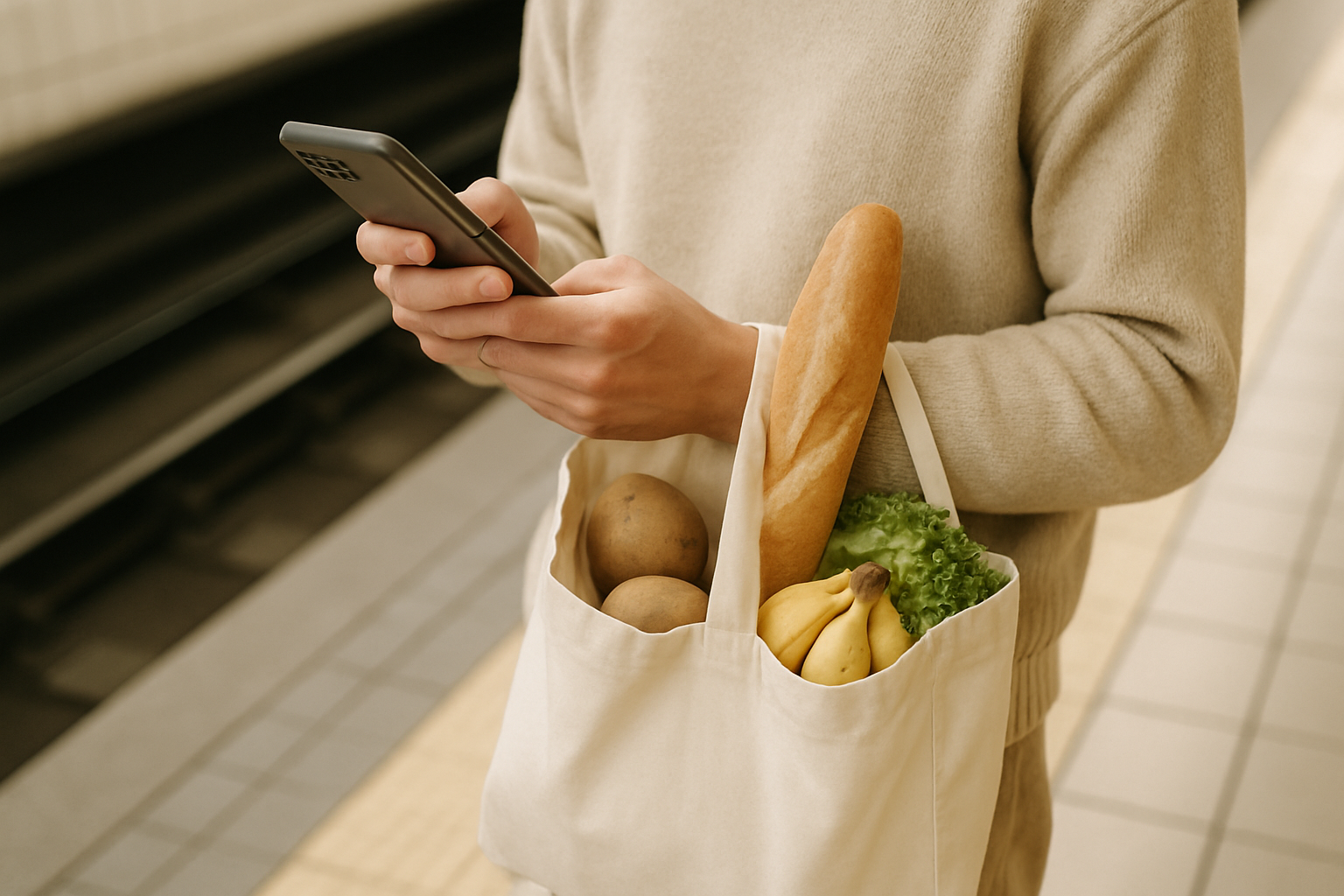
The grocery store isn’t a treasure hunt it’s an obstacle course, and your list is your map. If your cart zigzags like a toddler on espresso, it’s time to rethink your strategy. Build your list according to the store layout: produce, proteins, dry goods, then dairy, freezer, etc. Do a quick recon of your go to store and match your categories to the actual aisle flow. You’ll get in and out faster, and the impulse buys will stop staring you down.
Now let’s talk batch shopping. One big haul beats five mini flails through the express lane. Those little pickups feel efficient but add up fast in time, decision fatigue, and forgotten items. Block out time, do one major shop each week, and stick to your system.
Bulk buying is where smart planning meets self control. Stocking up on staples like rice, pasta, or freezer veggies? Smart. Buying a vat of peanut butter your kids might boycott next week? Clutter. Know your family’s true consumption patterns before you commit shelf space. Bulk works when you have the storage and the consistency. Otherwise, you’re just hoarding groceries you’ll toss in three months.
Shop with purpose. It’s not glamorous, but it works.
Prep with Purpose
Meal prep doesn’t have to be a lonely Sunday night slog. Family prep parties turn it into something functional and familiar. Kids can stir, sort, and taste when they’ve had a hand in putting meals together, they’re less likely to whine when it hits the table. Turn on music, set a timer, assign kitchen stations. Doesn’t need to be perfect just needs to flow.
Efficiency is king, and multitasking is how you win. Roast veggies while rice boils and you chop protein. Use oven time wisely. Line up your cutting board, your pans, your containers and move like you’re assembling a puzzle. The trick isn’t speed it’s stacking tasks that don’t get in each other’s way.
Then there’s the game changer: make food once, eat it three ways. Sunday’s roast chicken becomes Monday’s stir fry, Tuesday’s tacos. Small additions, big transformation. Label it right and nobody has to know it’s a remix. Leftovers don’t mean boring. They mean you’re working smarter not cooking from scratch every night.
Keep Variety Without Losing Your Mind
The trick to avoiding meal prep burnout isn’t reinventing the wheel every week it’s making small shifts. Switching up sauces, sides, or seasonings can turn the same base meal into something fresh. Chicken and rice again? Toss it in Cajun spices and call it a bowl. Next day, try a soy ginger stir fry. Same prep, different plate.
Balancing favorite go to meals with new twists keeps everyone interested without doubling your cook time. Think “taco bar” one week, “burrito bowls” the next same ingredients, different format. Or rotate grains (rice > quinoa), greens (spinach > arugula), and proteins (chicken > chickpeas) across meals.
The idea isn’t to chase novelty. It’s to keep meals enjoyable without overthinking it. A few core ingredients, a handful of reliable spices, and the occasional new recipe in the mix that’s enough. For a deeper dive into how to keep your rotations fresh without starting from scratch every Sunday, check out Balancing Variety and Simplicity in Weekly Meal Prepping.
Staying Consistent When Life Isn’t
There will be chaos. Work deadlines will hit. Kids will get sick. Someone will forget a field trip or a parent teacher meeting will pop up. This is where real meal prep wins or loses not in perfect plans, but in what you do when things fall apart.
First: backups. Always have a few no brainer meals stashed. We’re talking frozen stir fry kits, jarred sauces with shelf stable pasta, or pre made protein packs that defrost fast. Think: 10 minute dinners that no one complains about. If your Tuesday goes off the rails, dinner doesn’t have to.
Second: don’t spiral. One off week doesn’t mean the system’s broken. Don’t delete your meal plan just hit pause. Reheat that freezer meal, skip the guilt, and move on. Reset the next day, or the next week. You’re running a household, not a cooking competition.
Consistency isn’t about perfection. It’s about showing up again, even if it’s with takeout one night and a crockpot miracle the next. Survival mode is part of the rhythm. Plan for it and you’ll stay ahead.
Bottom Line: Make It Yours
You’re not just cooking dinner. You’re deciding how your family eats, spends time together, and stays sane during the weekday storm. That’s not small stuff it’s fuel for daily life. Done right, meal prepping doesn’t just save time; it gives back moments that matter.
But here’s the truth: there’s no universal playbook. Some families thrive on color coded charts. Others wing it with a whiteboard and instinct. Take what works. Leave what doesn’t. The goal isn’t perfection it’s flow.
In 2026, efficiency isn’t about grinding harder. It’s about building a system that fits your rhythm. Whether that means prepping on Sundays, or just chopping extra veggies on Monday night it’s valid. Own your setup. Tweak it. Rewrite it when life shifts. That’s how meal prep stays useful and stays yours.
 Josephine Schulerztin has opinions about meal prep strategies. Informed ones, backed by real experience — but opinions nonetheless, and they doesn't try to disguise them as neutral observation. They thinks a lot of what gets written about Meal Prep Strategies, Delicious Recipe Ideas, Nutrition Tips and Advice is either too cautious to be useful or too confident to be credible, and they's work tends to sit deliberately in the space between those two failure modes.
Reading Josephine's pieces, you get the sense of someone who has thought about this stuff seriously and arrived at actual conclusions — not just collected a range of perspectives and declined to pick one. That can be uncomfortable when they lands on something you disagree with. It's also why the writing is worth engaging with. Josephine isn't interested in telling people what they want to hear. They is interested in telling them what they actually thinks, with enough reasoning behind it that you can push back if you want to. That kind of intellectual honesty is rarer than it should be.
What Josephine is best at is the moment when a familiar topic reveals something unexpected — when the conventional wisdom turns out to be slightly off, or when a small shift in framing changes everything. They finds those moments consistently, which is why they's work tends to generate real discussion rather than just passive agreement.
Josephine Schulerztin has opinions about meal prep strategies. Informed ones, backed by real experience — but opinions nonetheless, and they doesn't try to disguise them as neutral observation. They thinks a lot of what gets written about Meal Prep Strategies, Delicious Recipe Ideas, Nutrition Tips and Advice is either too cautious to be useful or too confident to be credible, and they's work tends to sit deliberately in the space between those two failure modes.
Reading Josephine's pieces, you get the sense of someone who has thought about this stuff seriously and arrived at actual conclusions — not just collected a range of perspectives and declined to pick one. That can be uncomfortable when they lands on something you disagree with. It's also why the writing is worth engaging with. Josephine isn't interested in telling people what they want to hear. They is interested in telling them what they actually thinks, with enough reasoning behind it that you can push back if you want to. That kind of intellectual honesty is rarer than it should be.
What Josephine is best at is the moment when a familiar topic reveals something unexpected — when the conventional wisdom turns out to be slightly off, or when a small shift in framing changes everything. They finds those moments consistently, which is why they's work tends to generate real discussion rather than just passive agreement.