You stand up and the room spins. Or maybe your vision goes dark for a second. That dizzy feeling when you get out of bed or rise from a chair isn’t just annoying. It’s orthostatic hypotension messing with your day.
I’m going to show you how to use food to fight back.
This isn’t about some restrictive diet plan. It’s about eating in a way that helps your body maintain steady blood pressure when you stand up.
Here’s what matters: certain foods and eating patterns directly affect your blood volume and how your blood vessels respond. That means what you eat can actually reduce those dizzy spells.
The diet strategies I’m sharing come from established nutritional science. We focus on what works at ontpdiet, and that means sustainable eating habits you can stick with long term.
You won’t find extreme restrictions here. Just practical ways to adjust what you’re already eating so your body has what it needs to keep your blood pressure stable.
Let’s get you back on your feet without that spinning sensation.
How Your Diet Directly Impacts Orthostatic Hypotension
Let me explain what orthostatic hypotension actually is.
It’s when your blood pressure drops significantly as you stand up from sitting or lying down. You know that dizzy feeling when you get up too fast? That’s it.
Some people think it’s just something you have to live with. Others believe medication is the only real solution.
But here’s what most doctors won’t tell you upfront.
Your diet plays a bigger role than you’d think.
The blood volume connection is simple. What you eat and drink changes how much fluid moves through your bloodstream. When you’re low on blood volume, standing up becomes a problem. Your body can’t get enough blood to your brain fast enough.
Think of it like this. You can take all the medication you want, but if you’re not giving your body the raw materials it needs, you’re fighting an uphill battle.
I’ve seen people compare two approaches. The medication-only route versus the diet-focused route. Both can work, but combining them? That’s where things get interesting.
Here’s what matters most for managing OH through ontpdiet choices.
Hydration. Not just drinking water when you remember, but actually maintaining consistent fluid intake throughout the day.
Sodium levels. Yeah, I know. We’re told to cut salt. But with OH, you might need more of it (under medical guidance, of course).
Meal timing. When you eat affects your blood pressure just as much as what you eat.
These three things work together. Miss one and the other two won’t do as much.
I’m going to show you why each of these matters and how they actually change what’s happening in your body when you stand up.
The 3 Pillars of an OH-Management Diet Plan
Your head feels light when you stand up from the couch. The room tilts just enough to make you grab the armrest.
Sound familiar?
Managing orthostatic hypotension isn’t about popping pills and hoping for the best. It starts with what you put in your body and when you put it there.
I’m going to walk you through three simple pillars that can make a real difference. These aren’t complicated. But they work when you stick with them.
Pillar 1: Strategic Hydration to Boost Blood Volume
Your body needs water to keep your blood volume up.
I’m talking about 2 to 2.5 liters every day. That’s roughly eight to ten glasses spread throughout your waking hours.
Start your morning with a full glass before you even think about coffee. The cool water hits your empty stomach and gets absorbed fast.
Here’s what most people get wrong. They chug water during meals and forget about it the rest of the day. Instead, drink between meals. Keep a bottle at your desk or in your bag.
On hot days or after you exercise, plain water might not cut it. That’s when electrolyte drinks help. You’ll notice the slight salty tang on your tongue, and your body will thank you for it.
Pillar 2: Increasing Sodium Intake Safely and Effectively
Sodium gets a bad reputation. But for OH management, it’s one of your best tools.
Salt helps your body hold onto water. More water means more blood volume. More blood volume means better circulation when you stand up.
But before you start shaking salt on everything, talk to your doctor. This is especially important if you have heart or kidney issues.
Once you get the green light, focus on real food sources. Warm bone broth in the morning. The savory smell alone will wake you up. Snack on olives with their briny bite or pickles that crunch between your teeth. Salted nuts work too.
Skip the processed junk. There’s a difference between adding salt to whole foods and eating sodium-loaded frozen dinners.
Pillar 3: Adopting a Small Frequent Meal Schedule
Ever feel dizzy after a big meal?
That’s postprandial hypotension. Your body sends blood rushing to your digestive system to handle all that food. Less blood stays circulating to your brain.
The fix is simple. Eat smaller portions more often.
Think five to six mini meals instead of three heavy ones. A handful of nuts at 10 AM. A light salad at noon. Some cheese and crackers at 3 PM.
You’ll notice you don’t get that heavy, sluggish feeling after eating. Your energy stays more consistent throughout the day.
The team at Ontpdiet has seen this approach work for people who thought they’d always struggle with post-meal dizziness. It just takes a bit of planning at first. For those navigating the challenges of post-meal dizziness, the advice shared on the ontpdiet Homepage can serve as a valuable resource, illustrating how thoughtful planning can lead to significant improvements in well-being. For those navigating the challenges of post-meal dizziness, the advice shared on the ontpdiet can serve as a valuable resource, offering practical strategies that have helped many regain their comfort and confidence.
These three pillars work together. Hydration gives you the volume. Sodium helps you keep it. Smaller meals prevent sudden drops.
Start with one pillar this week. Add another next week. By the end of the month, you’ll have a system that actually works.
Your OH-Friendly Grocery List: Foods to Add and Avoid
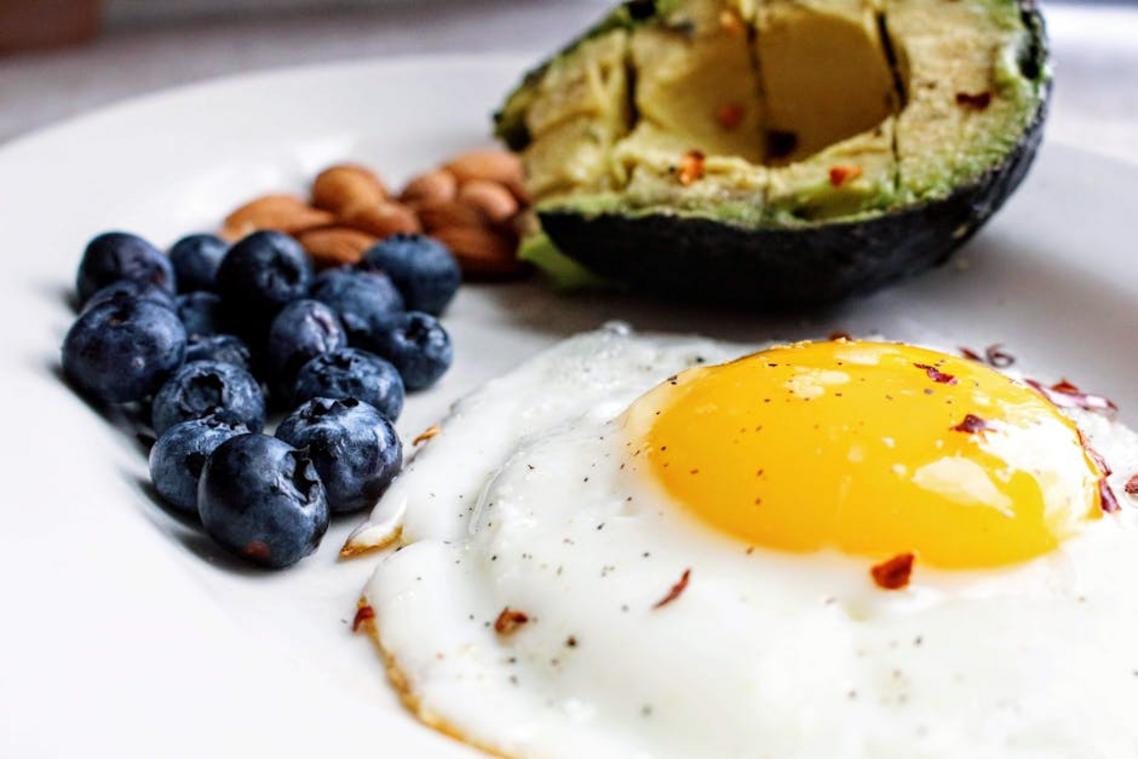
Let me show you what actually works when you’re dealing with orthostatic hypotension.
I’m not going to tell you to eat some miracle superfood. But I will show you which foods help keep your blood pressure stable and which ones make things worse.
Foods to Embrace for Stable Blood Pressure
Your body needs fuel that won’t send your blood pressure on a rollercoaster.
Start with complex carbohydrates. These break down slowly and keep your energy steady. I’m talking about steel-cut oats, quinoa, and sweet potatoes. They won’t spike your blood sugar and then crash it an hour later.
Lean proteins matter too. Chicken breast, salmon, tuna, and legumes like lentils give your body what it needs without the extra baggage. A study in the American Journal of Clinical Nutrition found that protein helps maintain blood pressure stability throughout the day.
You also want foods rich in B12. Your nervous system runs on this stuff (and your nervous system controls blood pressure regulation). Eggs, fortified cereals, and nutritional yeast are solid choices.
Here’s something most people don’t know. Some sodium is actually helpful for OH. Cottage cheese and low-sodium V8 juice give you controlled amounts that can help maintain blood volume without going overboard.
Foods and Drinks to Limit or Avoid
Now for what you need to skip.
Big, carb-heavy meals are trouble. That massive pasta dinner you love? It pulls blood to your digestive system and away from everywhere else. Research from the Journal of Clinical Hypertension shows that large meals can drop systolic blood pressure by 20 points or more in people with OH.
Alcohol is your enemy here. It’s a vasodilator, which means it widens your blood vessels. That’s the opposite of what you need. Plus it’s a diuretic, so you lose fluid. Double whammy.
If you want more guidance on building a solid nutrition foundation, check out what makes a good food guide ontpdiet. It breaks down how to structure meals that actually work for your body. For additional context, Which Food Good for Diabetes Ontpdiet covers the related groundwork.
A Sample Day of Eating to Manage OH Symptoms
Let me be honest with you.
Most meal plans I see are either too complicated or completely unrealistic. Who has time to prep five different ingredients for breakfast on a Tuesday morning?
Not me. And probably not you either.
So here’s what a practical day of eating looks like when you’re managing orthostatic hypotension. Nothing fancy. Just food that works.
Breakfast: Scrambled eggs with whole-wheat toast and a glass of water. I add a pinch of salt to the eggs because that sodium matters more than people think.
Mid-Morning Snack: A handful of salted almonds and a pear. The salt helps and the fruit keeps things interesting.
Lunch: A large salad with grilled chicken, leafy greens, vegetables, and vinaigrette dressing. I serve it with a cup of broth on the side. That extra liquid makes a difference.
Afternoon Snack: Greek yogurt or cottage cheese. Both pack protein without making you feel sluggish.
Dinner: Baked salmon with roasted sweet potatoes and steamed green beans. This is my go-to because it’s simple and I can prep it in under 30 minutes.
Evening Snack: A few whole-grain crackers with cheese.
Now here’s my take on this whole thing.
You don’t need to follow this exactly. What matters is understanding the pattern. Small frequent meals. Enough salt. Plenty of fluids throughout the day.
The ontpdiet approach isn’t about perfection. It’s about consistency you can actually maintain.
Some days you’ll nail it. Other days you’ll grab whatever’s in the fridge. That’s fine. What counts is getting back on track the next meal.
Take Control of Your Health, One Meal at a Time
You wanted to know if diet could help manage your orthostatic hypotension.
It can.
Hydration matters. Sodium intake matters. When you eat matters. These aren’t just tips. They’re proven strategies that work when you stick with them.
I get it. Living with dizziness is exhausting. You plan your day around it. You worry about standing up too fast or what might happen if symptoms hit at the wrong time.
But here’s the thing: you don’t need to overhaul everything at once.
Start small. Add one glass of water first thing in the morning. That’s it. Just one change.
Once that becomes routine, add another. Maybe it’s a pinch more salt on your breakfast. Or splitting your meals into smaller portions throughout the day. As you refine your culinary habits, you might wonder what makes a good food guide Ontpdiet, especially when considering how small adjustments like adding a pinch of salt or splitting meals into smaller portions can significantly enhance your overall dining experience.What Makes a Good Food Guide Ontpdiet As you explore the nuances of your diet, you may find yourself pondering what makes a good food guide Ontpdiet, particularly in how it can support your gradual culinary transformations.What Makes a Good Food Guide Ontpdiet
ontpdiet exists because I believe good nutrition should be simple and accessible. You deserve to feel steady on your feet.
Your Next Step
Pick one change from this guide. Just one.
Try it for a week and see how your body responds. Most people notice a difference in their symptoms when they stay consistent with hydration alone.
You came here looking for answers about managing OH through diet. Now you have a roadmap that works.
Start tomorrow morning with that glass of water. Healthy Food Hacks Ontpdiet.
 Torveth Vandell has opinions about food trends and insights. Informed ones, backed by real experience — but opinions nonetheless, and they doesn't try to disguise them as neutral observation. They thinks a lot of what gets written about Food Trends and Insights, Dietary Restrictions and Alternatives, Healthy Diet Plans is either too cautious to be useful or too confident to be credible, and they's work tends to sit deliberately in the space between those two failure modes.
Reading Torveth's pieces, you get the sense of someone who has thought about this stuff seriously and arrived at actual conclusions — not just collected a range of perspectives and declined to pick one. That can be uncomfortable when they lands on something you disagree with. It's also why the writing is worth engaging with. Torveth isn't interested in telling people what they want to hear. They is interested in telling them what they actually thinks, with enough reasoning behind it that you can push back if you want to. That kind of intellectual honesty is rarer than it should be.
What Torveth is best at is the moment when a familiar topic reveals something unexpected — when the conventional wisdom turns out to be slightly off, or when a small shift in framing changes everything. They finds those moments consistently, which is why they's work tends to generate real discussion rather than just passive agreement.
Torveth Vandell has opinions about food trends and insights. Informed ones, backed by real experience — but opinions nonetheless, and they doesn't try to disguise them as neutral observation. They thinks a lot of what gets written about Food Trends and Insights, Dietary Restrictions and Alternatives, Healthy Diet Plans is either too cautious to be useful or too confident to be credible, and they's work tends to sit deliberately in the space between those two failure modes.
Reading Torveth's pieces, you get the sense of someone who has thought about this stuff seriously and arrived at actual conclusions — not just collected a range of perspectives and declined to pick one. That can be uncomfortable when they lands on something you disagree with. It's also why the writing is worth engaging with. Torveth isn't interested in telling people what they want to hear. They is interested in telling them what they actually thinks, with enough reasoning behind it that you can push back if you want to. That kind of intellectual honesty is rarer than it should be.
What Torveth is best at is the moment when a familiar topic reveals something unexpected — when the conventional wisdom turns out to be slightly off, or when a small shift in framing changes everything. They finds those moments consistently, which is why they's work tends to generate real discussion rather than just passive agreement.