Skipping Breakfast Thinking It Saves Calories
Let’s clear something up: skipping breakfast doesn’t jumpstart weight loss it slows your metabolism down. Overnight, your body taps into stored energy to keep everything running. If there’s no fuel coming in the next morning, your system shifts into energy conservation mode. The result? Your metabolism takes a hit, and you’re more likely to overeat later in the day.
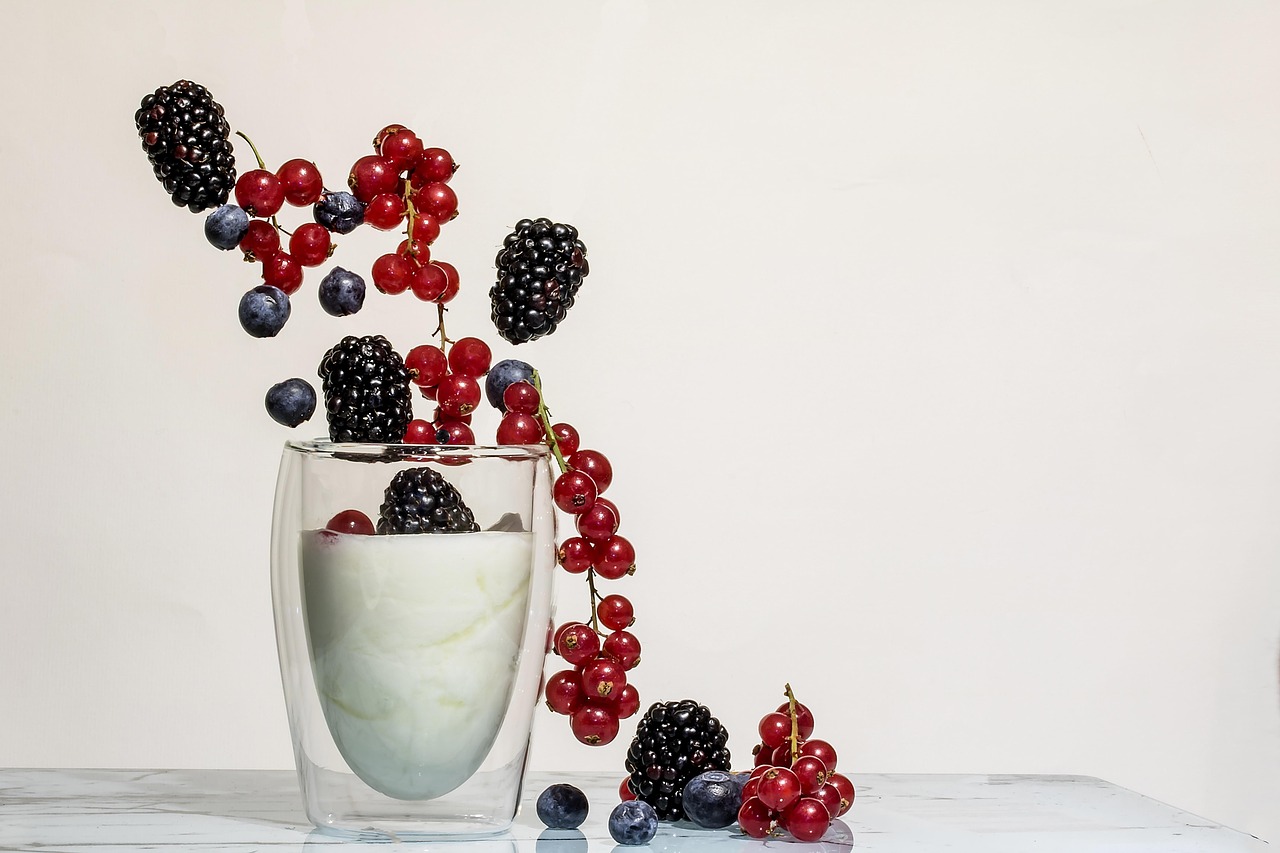
But just grabbing a sugar loaded bar or a flavored coffee doesn’t cut it either. A good breakfast fuels without spiking your blood sugar. Think protein + fiber + healthy fat. A few solid go to’s: scrambled eggs with avocado on whole grain toast, Greek yogurt with berries and flaxseeds, or a quick chia pudding made with almond milk and a dash of cinnamon.
The point isn’t to eat early just to check a box it’s to give your body something real to work with. Start strong, and you’ll curb cravings, stabilize energy, and keep that metabolism humming until lunch.
Ignoring Portion Sizes
Avocados, almonds, hummus… all great for you until the portions get out of control. Just because a food is labeled “healthy” doesn’t mean it’s free of calories. It adds up fast, especially when snacks are eaten straight from the bag or you’re loading up a “bowl” that could feed three people.
Mindless extra bites can stall progress, no matter how clean your diet looks on paper. The solution isn’t drama it’s awareness. Try using smaller plates. We tend to fill the space we see. Also, measure out your servings for just one week. You’ll reset your internal sense of what’s actually a serving. Think of it as a quick calibration, not a forever rule.
Don’t fear fat or carbs just get honest with the amounts. A little structure goes a long way.
Not Drinking Enough Water
A surprisingly common issue that flies under the radar: mistaking thirst for hunger. Your body uses many of the same signals for both, and that mid afternoon craving for snacks? Often it’s just mild dehydration. You feel tired, foggy, maybe a little irritable easy to assume it’s hunger. But a glass of water might do the trick.
In 2026, hydration needs haven’t changed dramatically, but awareness has. Current health guidelines recommend around 2.7 liters (about 11.5 cups) per day for women and 3.7 liters (15.5 cups) for men, including water from food. If you’re active, sweating, or living in a hot area, you’ll need more. Coffee and tea count, but sugary drinks don’t help much stick to water and get in the habit of sipping steadily throughout the day.
Simple rule: if you’re frequently “hungry” outside meals, try drinking water first. Your body might just be asking for hydration, not calories.
Relying Too Much on Processed “Health” Foods
Granola bars, veggie chips, protein cookies they sound healthy enough. Problem is, most of them are more marketing than nutrition. Flip over the label and you’ll see it: processed oils, added sugars, syrups, and a long list of things you’d never find in a home kitchen. These products can sneak into your day under a “healthy” halo, but they rarely beat whole, fresh options.
Even the ones stacked with protein or fiber? Often offset by sodium, preservatives, or empty carbs. Just because it lives in the organic aisle doesn’t mean it’s good for your daily routine. If the ingredient list reads like a science project, it’s time to reassess.
Here’s how to clean things up without overcomplicating:
Swap granola bars for a handful of raw nuts and fruit.
Trade protein cookies for boiled eggs and a banana.
Replace veggie chips with sliced cucumbers, carrots, or roasted chickpeas.
The less packaging, the better. Keep your snacks simple, whole, and close to the earth and you’ll skip the crash that comes with fake health foods.
Eating Too Little Fiber
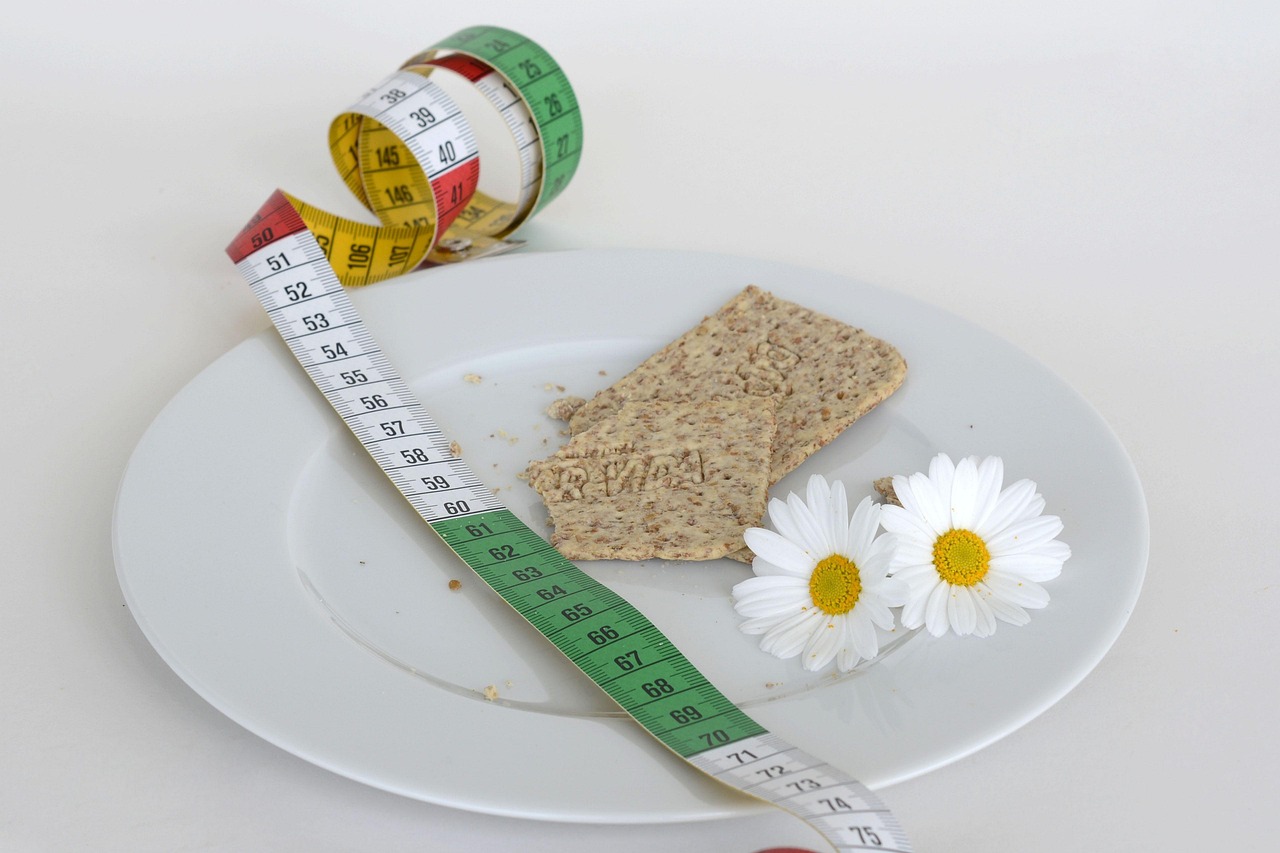
Fiber is the unsung hero of your diet. Skip it, and you’re asking for slow digestion, relentless cravings, and rising cholesterol. Fiber doesn’t just keep you regular it helps stabilize blood sugar and supports heart health. Still, most people barely hit half of the recommended daily amount.
The fix isn’t complicated. Start with what you already eat: swap white rice for brown, add lentils to soups, toss a handful of berries into breakfast, or switch to 100% whole grain bread. Make veggies the main event not just a sad side. Don’t overthink it: carrots with hummus, baked sweet potatoes, or roasted broccoli go a long way.
Small upgrades add up. Get fiber from real food, not supplements, and spread it throughout your day to avoid bloating. The right balance keeps your system running clean and steady.
For more science backed tips, read: Why Fiber Is Essential and How to Add More to Your Diet.
Cutting Out Entire Food Groups
Keto. Carnivore. Raw vegan. They all sell the same idea cut more to win more. But when you slash entire food groups, your body usually pushes back. Fast.
Elimination diets can bring short term weight loss or clear up some symptoms, sure. But sustained restriction often leads to burnout, nutrient gaps, and rebound eating. Maybe your skin clears up or you drop a few pounds, but six months in, you’re running on caffeine and cravings.
Your body needs balance. It’s not about eating everything, but about eating with purpose. Carbs aren’t evil. Neither is fat. The key is recognizing what your body thrives on and not going to war with food to get there. Long term health comes from real, diverse nutrition, not from sticking to a label.
In other words: Don’t ditch entire aisles of the grocery store. Learn how to choose better from all of them.
Underestimating Liquid Calories
Many people focus on solid food choices while overlooking what they drink. But often, drinks account for hundreds of hidden calories that add up quickly and silently work against your health goals.
The Sneaky Culprits
Liquid calories often don’t trigger the same fullness cues as food, which means they can increase your total intake without making you feel satisfied. Watch out for:
Sugary coffee drinks: That flavored latte might carry more calories than your breakfast.
Fruit juices: Even “100% juice” can spike your blood sugar.
Alcohol: A single cocktail can contain as many calories as a slice of cake.
Sports and energy drinks: Often packed with sugar and additives you don’t need unless you’re doing intense training.
Smarter Choices That Keep You Hydrated & On Track
Swapping high calorie beverages for lighter options can significantly impact your weekly intake and your energy levels.
Try these instead:
Black coffee or coffee with a splash of milk instead of sugar loaded frappes
Sparkling water with lemon or herbs instead of soda or sweetened iced tea
Infused water with cucumber, berries, or citrus
Herbal teas when you want flavor without calories
Key Takeaway
What you drink matters just as much as what you eat. Pay attention to your beverages and choose options that support your goals without sacrificing satisfaction.
Not Getting Enough Protein
This one sneaks up, especially for people on plant based diets. It’s easy to load your plate with veggies and grains and still miss the mark on protein. This isn’t about counting macros obsessively it’s about giving your body the fuel it actually needs to maintain muscle, repair tissue, and stay satisfied.
Active adults should aim for around 0.6 to 0.9 grams of protein per pound of body weight, depending on training intensity. If you’re more sedentary, 0.36 grams per pound is the minimum you want to hit. It’s do able with the right tweaks: lentils, edamame, tofu, tempeh, and even whole grains like quinoa pull their weight. For meat eaters or flexitarians, eggs, chicken, and Greek yogurt are still workhorses.
Bottom line: if you’re feeling tired, shaky between meals, or struggling to recover from workouts, lack of protein might be part of the story. Don’t overthink it but don’t ignore it either.
Overloading on Supplements Instead of Nutrients
Multivitamins might seem like a shortcut, but they’re not a cure all. They were never meant to replace a balanced diet, just help fill small gaps. Still, many people treat that daily tablet like nutritional insurance and skip the real work eating well.
Here’s the deal: your body absorbs vitamins and minerals best when they come from actual food. A spinach salad brings more than just iron it gives you fiber, hydration, and plant compounds you won’t find in a capsule. Food based nutrients also come in forms the body recognizes and uses more efficiently.
That’s not to say all supplements are bad. If your doctor recommends one for a deficiency, take it. But relying on a multivitamin while eating a nutrient poor diet is like slapping duct tape on a leaky pipe. You might slow the problem, but you’re not fixing it.
Start with food: leafy greens, fruits, nuts, lean proteins. Let the basics do the heavy lifting. Use pills as a backup, not Plan A.
Eating Distracted
Why Screens + Meals Don’t Mix
In today’s hyper connected world, many meals are consumed in front of screens whether it’s work emails during lunch or streaming shows at dinner. The problem? This habit trains your brain to multitask while eating, reducing the ability to notice fullness cues and increasing the likelihood of overeating.
Distracted eating disrupts your natural satiety signals
You’re likely to eat more and enjoy it less when your attention is elsewhere
It can contribute to long term weight gain and digestive discomfort
The 10 Minute Mindful Meal Strategy
You don’t have to completely abandon digital devices forever but setting aside even 10 minutes for a tech free meal can make a major difference in how your body and brain respond to food.
Here’s how to implement it:
Start small: Choose one meal a day to eat without screens
Set a timer for 10 minutes: During this time, focus only on your food its taste, texture, smell, and how your body feels as you eat
Chew slowly and put your fork down between bites
Notice when fullness begins, not when you’re stuffed
Even a short mindful eating practice can improve digestion, reduce stress, and help you develop a more balanced relationship with food.
Being present at the plate makes every bite count and helps prevent the mindless calories that sneak in unnoticed.
 Torveth Vandell has opinions about food trends and insights. Informed ones, backed by real experience — but opinions nonetheless, and they doesn't try to disguise them as neutral observation. They thinks a lot of what gets written about Food Trends and Insights, Dietary Restrictions and Alternatives, Healthy Diet Plans is either too cautious to be useful or too confident to be credible, and they's work tends to sit deliberately in the space between those two failure modes.
Reading Torveth's pieces, you get the sense of someone who has thought about this stuff seriously and arrived at actual conclusions — not just collected a range of perspectives and declined to pick one. That can be uncomfortable when they lands on something you disagree with. It's also why the writing is worth engaging with. Torveth isn't interested in telling people what they want to hear. They is interested in telling them what they actually thinks, with enough reasoning behind it that you can push back if you want to. That kind of intellectual honesty is rarer than it should be.
What Torveth is best at is the moment when a familiar topic reveals something unexpected — when the conventional wisdom turns out to be slightly off, or when a small shift in framing changes everything. They finds those moments consistently, which is why they's work tends to generate real discussion rather than just passive agreement.
Torveth Vandell has opinions about food trends and insights. Informed ones, backed by real experience — but opinions nonetheless, and they doesn't try to disguise them as neutral observation. They thinks a lot of what gets written about Food Trends and Insights, Dietary Restrictions and Alternatives, Healthy Diet Plans is either too cautious to be useful or too confident to be credible, and they's work tends to sit deliberately in the space between those two failure modes.
Reading Torveth's pieces, you get the sense of someone who has thought about this stuff seriously and arrived at actual conclusions — not just collected a range of perspectives and declined to pick one. That can be uncomfortable when they lands on something you disagree with. It's also why the writing is worth engaging with. Torveth isn't interested in telling people what they want to hear. They is interested in telling them what they actually thinks, with enough reasoning behind it that you can push back if you want to. That kind of intellectual honesty is rarer than it should be.
What Torveth is best at is the moment when a familiar topic reveals something unexpected — when the conventional wisdom turns out to be slightly off, or when a small shift in framing changes everything. They finds those moments consistently, which is why they's work tends to generate real discussion rather than just passive agreement.