Why Meal Prep Still Works in 2026
Let’s keep it simple: meal prep still works because life hasn’t gotten any less hectic. Prepping your food ahead of time saves hours during the week less scrambling, fewer decisions, and no last minute takeout hits to your budget. When lunch is already packed, things just run smoother.
But it’s not just about saving a few bucks. Meal prepping helps you take control of your health. You choose what goes in, you control portion sizes, and you skip the processed stuff. It’s a straightforward, low stress way to support fitness goals without counting every calorie or cutting every carb.
And then there’s the waste factor. When you plan your meals, you buy what you need and use it all. Fewer fridge casualties, fewer tossed leftovers. Good for your wallet, and a solid step toward a lower waste lifestyle. In a world with too much excess, prepping what you actually eat is a quiet rebellion that makes sense.
Start with Simple, Smart Planning
Meal prep doesn’t need to be complicated or exhausting. One of the smartest changes you can make is to limit yourself to just 2 3 core recipes per week. That might sound counterintuitive if you’re aiming for variety, but it works. Instead of juggling five different meals with separate ingredients and prep methods, focus on a few flexible dishes you can remix. Think taco bowls that can swing vegetarian or beefy, or stir fries that shift flavors with a simple sauce swap.
The other trick? Build around overlapping ingredients. If your recipes all use spinach, jasmine rice, or grilled chicken, you save time on chopping, cooking, and shopping. That overlap cuts waste too you’re far less likely to forget about half a red onion dying in the back of the fridge. It’s meal prep math: fewer ingredients, more meals, less hassle.
Set a recurring prep day and treat it like a non negotiable. Sunday, mid week, your day off doesn’t matter. Block it out, commit, and keep it short. The goal isn’t to spend your whole day in the kitchen. Two hours, solid plan, done. Once it becomes routine, everything gets easier.
Must Have Meal Prep Gear
Meal prep isn’t about fancy kitchen gadgets it’s about tools that earn their keep. A sharp chef’s knife, a solid cutting board, and a durable set of measuring tools will speed things up right away. Add a sheet pan, a deep skillet, and a few stackable storage containers, and you’re halfway to a solid system.
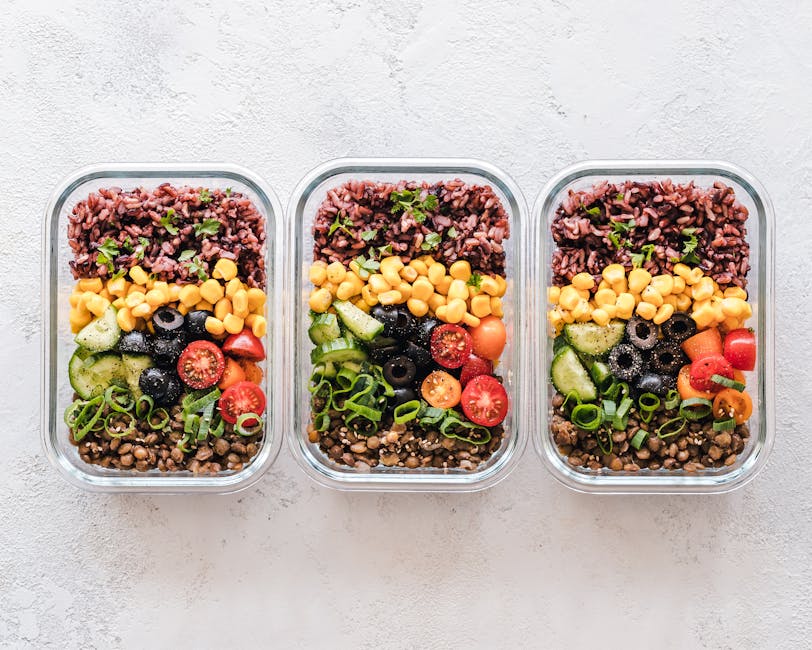
Storage matters as much as cooking. Glass containers hold up better over time, don’t stain, and are microwave safe. They’re heavier, but if you’re mainly eating at home, they’re worth the space. Plastic works better if you’re packing and hauling lunches. Either way, go with uniform shapes so they stack well both in your fridge and your cabinets.
When it comes to portioning, use containers sized for actual meals and snacks. If you’re guessing every time, you’ll lose consistency both in macros and prep time. Get a kitchen scale if you’re tracking closely. Otherwise, just aim for balance: protein, carb, veggies. Having the right containers keeps you honest.
Bottom line: invest in gear once, and it pays you back every week. For a focused breakdown, check out Top 10 Must Have Tools for Efficient Meal Prep.
Basic Prep Techniques That Work

Batch cooking is your meal prep backbone. Think low effort, high impact moves. Cook a big pot of rice, grill or roast a few rounds of protein (chicken thighs, tofu, even ground turkey), and toss a tray of veggies in the oven broccoli, bell peppers, zucchini. Keep the seasoning neutral so you can remix flavors later with sauces or spices.
Timing matters, too. Cook the things that don’t age well early in the week like proteins and grains and save chopping of fresh greens, fruits, or add ins for the day you eat them. Salads? Chop but don’t dress. Stir fry? Sear meat, store chopped veg raw, and cook it hot when it’s time to eat. Full assembly only works if the dish stays solid for days (think burrito bowls or curry).
Texture and flavor go downhill if you’re not a little strategic. Keep crunchy elements separate. Air tight containers help, but don’t overcrowd moisture builds up and kills crispness. Adding a splash of acid (lemon juice, vinegar) or oil before reheating helps revive leftovers fast. The goal isn’t perfect it’s fresh enough to enjoy on Wednesday without hating yourself.
Time Saving Meal Ideas
Sticking to your meal prep goals is easier when you’ve got a lineup of fast, flexible go to ideas. The key is choosing recipes that store well, reheat easily, and keep things satisfying all week long.
Tried and True Favorites
These staples are quick to prep, customizable, and perfect for busy schedules:
Overnight Oats: Mix rolled oats with milk or plant based alternatives, chia seeds, and your favorite toppings. Prep several jars for grab and go breakfasts.
Sheet Pan Dinners: Combine a protein (like chicken or tofu) with chopped veggies and seasoning. Bake everything on one tray for minimal cleanup.
Mason Jar Salads: Layer ingredients with dressing at the bottom and lettuce on top to prevent sogginess. Shake and eat when ready.
Quick Snacks and Smooth Starts
Food prep isn’t just for meals snacks and smoothies count too:
Make Ahead Smoothie Bags: Portion fruits, greens, and proteins into freezer bags. Just add liquid and blend when it’s time to fuel up.
High Protein Snack Boxes: Combine boiled eggs, cheese, hummus, nuts, or turkey slices with veggies for energizing mini meals.
Freezer Friendly Favorites
Freezing meals doesn’t mean sacrificing flavor. These rotate well week to week:
Soups and Stews: Double your batch and freeze half for later.
Casseroles and Lasagna Style Dishes: Portion out full meals in freezer safe containers.
Chili, Curries, and Stir Fries: Easy to reheat on busy nights without losing quality.
These options help fight boredom while keeping your workflow smooth and your weekly plan stress free.
Common Mistakes to Avoid
Let’s be real most failed meal preps don’t come from lack of effort. They come from trying too hard out of the gate. The first trap? Overcomplicating recipes. You don’t need five steps, three sauces, and a blender for lunch. Start repeatable. Think: grilled chicken, roasted veggies, simple pasta bowls. You need meals you can crank out without reading instructions like a novel.
Second mistake: prepping your entire week like you’re running a restaurant. If you don’t know your schedule or if it changes a lot don’t lock yourself into seven fridge meals you might ditch midweek. Start with three. Test your rhythm. See how long things actually last and what you’ll realistically eat.
And finally, don’t skip the flavor. This is the silent killer of good intentions. A few sauces and spice blends in rotation can turn be nice broccoli into something craveable. Flavor lives in the small stuff: a garlic tahini drizzle, lemon zest, chili flakes. Build your flavor base early it’s how you make “healthy” food something you actually want.
Keep it simple. Keep it tasty. That’s how you win the long game.
Build Your Routine with Confidence
Meal prep gets easier once it becomes routine but routines don’t build themselves overnight. Give it 2 3 solid weeks before you start tweaking things too much. This is your testing ground. You’ll figure out what meals hold up by Thursday, what gear slows you down, which groceries sit untouched.
Keep a meal prep journal not fancy, just functional. Track what recipes hit, what flopped, how long prep actually took vs. how long you thought it would. A few bullets each week will do. The goal is to learn fast without starting from scratch every Sunday.
Also, build a prep cheat sheet. Whether it’s a list of go to spices, your default grocery list, or a basic timeline, having something to glance at saves mental load. You don’t have to reinvent the process every time. Keep it simple, keep it honest, and keep going.
Final Thoughts
Too many beginners trip over this idea of perfection. The truth is, meal prep isn’t about flawless execution it’s about showing up each week with just enough structure to stay ahead. If you overthink it, you’ll burn out. If you keep it simple and consistent, it becomes second nature.
This structure you build now one prep day, a few trusted containers, a short list of go to meals pays off later. You’ll free up brain space, save time, and stay aligned with your goals without making food a daily decision battle.
Start small. Maybe you prep just lunches this week. Learn what stores well, what you’ll actually eat, and what makes your life easier. And always keep your kitchen stocked with staples think grains, frozen veggies, proteins, wrap friendly greens. These are the small moves that make the whole system work.
Consistency beats chaos. Every time.
 There is a specific skill involved in explaining something clearly — one that is completely separate from actually knowing the subject. Johnnie Moorendezo has both. They has spent years working with healthy diet plans in a hands-on capacity, and an equal amount of time figuring out how to translate that experience into writing that people with different backgrounds can actually absorb and use.
Johnnie tends to approach complex subjects — Healthy Diet Plans, Food Trends and Insights, Meal Prep Strategies being good examples — by starting with what the reader already knows, then building outward from there rather than dropping them in the deep end. It sounds like a small thing. In practice it makes a significant difference in whether someone finishes the article or abandons it halfway through. They is also good at knowing when to stop — a surprisingly underrated skill. Some writers bury useful information under so many caveats and qualifications that the point disappears. Johnnie knows where the point is and gets there without too many detours.
The practical effect of all this is that people who read Johnnie's work tend to come away actually capable of doing something with it. Not just vaguely informed — actually capable. For a writer working in healthy diet plans, that is probably the best possible outcome, and it's the standard Johnnie holds they's own work to.
There is a specific skill involved in explaining something clearly — one that is completely separate from actually knowing the subject. Johnnie Moorendezo has both. They has spent years working with healthy diet plans in a hands-on capacity, and an equal amount of time figuring out how to translate that experience into writing that people with different backgrounds can actually absorb and use.
Johnnie tends to approach complex subjects — Healthy Diet Plans, Food Trends and Insights, Meal Prep Strategies being good examples — by starting with what the reader already knows, then building outward from there rather than dropping them in the deep end. It sounds like a small thing. In practice it makes a significant difference in whether someone finishes the article or abandons it halfway through. They is also good at knowing when to stop — a surprisingly underrated skill. Some writers bury useful information under so many caveats and qualifications that the point disappears. Johnnie knows where the point is and gets there without too many detours.
The practical effect of all this is that people who read Johnnie's work tend to come away actually capable of doing something with it. Not just vaguely informed — actually capable. For a writer working in healthy diet plans, that is probably the best possible outcome, and it's the standard Johnnie holds they's own work to.