I know what it’s like to stare at your plate and wonder if you’re making the right choice.
You’re managing diabetes and you need real answers. Not another list of foods to avoid. You want to know what you can actually eat that tastes good and keeps your blood sugar steady.
That’s what this guide is about.
I’m going to walk you through the best food choices for diabetes across every food group. You’ll see why certain foods work better than others and how to build meals that keep you full without the blood sugar spikes.
The recommendations here come from established nutritional science and guidelines from leading dietetic associations. This isn’t trendy advice. It’s what actually works for blood sugar management.
You’ll learn which foods are good for diabetes and how to fit them into your daily routine without feeling restricted.
No complicated meal plans. Just straightforward information about what to put on your plate and why it matters.
Let’s get into it.
The Foundation: Why Non-Starchy Vegetables Are Your Best Friend
I remember sitting in my kitchen a few years back, staring at a plate of grilled chicken and rice.
My blood sugar had been all over the place. I’d eat what I thought was a reasonable meal and then feel like garbage an hour later.
My doctor kept saying the same thing. More vegetables. But I didn’t get it. How was eating more of anything supposed to help me lose weight and control my blood sugar?
Then I tried something different.
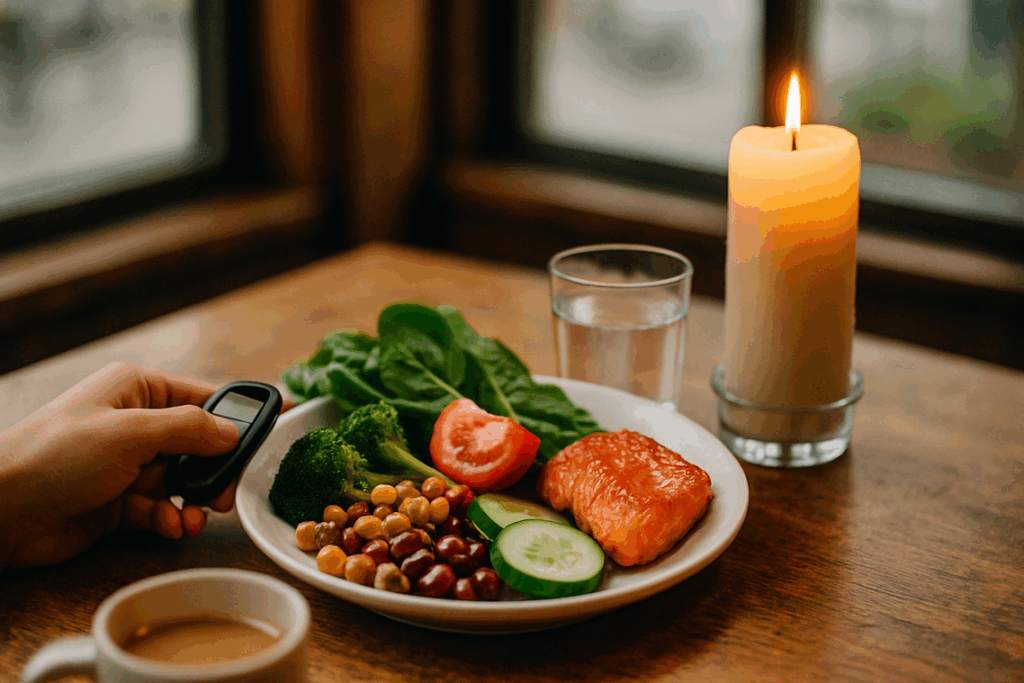
I started filling half my plate with vegetables before I added anything else. Not as a side dish. As the main event.
Here’s what happened.
My portions of rice and pasta naturally got smaller because there was less room on the plate. I felt full after meals (something that rarely happened before). And my blood sugar stopped spiking like it used to.
The reason is pretty simple. Non-starchy vegetables give you fiber, vitamins, and minerals without the carbs and calories that mess with your blood sugar.
Think about it. A cup of broccoli has about 6 grams of carbs. A cup of rice? Around 45 grams.
You can eat a massive amount of vegetables and barely move the needle on your blood sugar.
Some people say vegetables don’t matter that much. They argue that as long as you count your carbs, you can eat whatever fits your numbers.
Sure, technically that’s true. But try filling up on bread versus filling up on vegetables. One leaves you hungry an hour later. The other keeps you satisfied.
The vegetables I keep coming back to:
Leafy greens like spinach, kale, and arugula work in almost anything. I throw them in eggs, blend them in smoothies, or just eat them as salad.
Cruciferous vegetables are my go-to when I want something that feels substantial. Roasted broccoli, cauliflower rice, Brussels sprouts with a little olive oil. They’re filling and they taste good.
Bell peppers, mushrooms, and asparagus round out my rotation. They add flavor and texture without adding carbs.
When I’m looking for which food good for diabetes Ontpdiet, these vegetables always make the list.
The fill your plate strategy is dead simple. Before you add your protein or starch, load up half your plate with non-starchy vegetables. It forces you to eat more of what helps and less of what doesn’t. Embracing the fill your plate strategy not only enhances your meals but also aligns perfectly with the principles of Ontpdiet, which emphasize the importance of prioritizing nutritious, non-starchy vegetables for a healthier lifestyle. Embracing the fill your plate strategy not only enhances your meals but also aligns perfectly with the principles of the Ontpdiet, fostering a healthier relationship with food.
No measuring. No complicated rules.
Just more vegetables.
Lean Protein: The Key to Satiety and Stable Energy
Protein does something most people don’t talk about enough.
It keeps you full. Not for an hour or two. For hours.
When you eat protein, your body takes longer to break it down. That means you’re not reaching for snacks an hour after lunch. You’re not fighting cravings at 3 PM.
And here’s the best part for anyone watching their blood sugar. Protein doesn’t spike it. A study in the American Journal of Clinical Nutrition found that protein-rich meals led to better blood sugar control compared to high-carb alternatives (Gannon et al., 2003).
That’s huge if you’re managing diabetes.
The Protein Sources That Actually Work
Now, some people say all protein is the same. Just eat whatever meat you can find and call it a day.
But that’s not quite right.
The type of protein matters. Fatty cuts of meat come with saturated fat that can mess with your heart health. And if you’re dealing with diabetes, your heart needs all the help it can get.
I stick with skinless chicken and turkey breast most of the time. They’re clean sources without the extra baggage.
Fish is even better in some ways. Salmon, mackerel, and tuna pack omega-3 fatty acids that research shows can reduce inflammation and support cardiovascular health (Mozaffarian & Wu, 2011). Which food good for diabetes ontpdiet recommends? These fatty fish rank high on the list.
Plant-based options give you a double win. Lentils, chickpeas, black beans, tofu, and edamame deliver protein plus fiber. That fiber slows digestion even more, which means steadier energy and better blood sugar numbers.
Eggs work too. So do lean cuts of red meat, though I keep those to once or twice a week at most.
The goal isn’t perfection. It’s consistency with sources that support stable energy without the crash.
Smart Carbohydrates: Choosing Quality Over Quantity
Not all carbs are created equal.
I know that sounds like something you’d see on a cereal box. But when you’re managing blood sugar, this difference matters more than most people realize.
Here’s what I mean. For the full picture, I lay it all out in What Makes a Good Food Guide Ontpdiet.
Take a slice of white bread and put it next to a bowl of steel-cut oats. Both are carbs. Both will raise your blood sugar. But they don’t do it the same way.
The white bread hits fast. Your blood sugar spikes within minutes because there’s nothing slowing it down. No fiber. No real structure.
The oats? They take their time. The fiber acts like a speed bump for sugar absorption. Your blood sugar rises slowly and stays more stable.
This is the difference between simple carbs and complex carbs.
Simple carbs are stripped down. White rice, regular pasta, most crackers. They’re fast and they’re harsh on your system (especially if you’re watching your glucose levels).
Complex carbs still have their fiber intact. Quinoa, barley, brown rice, whole-wheat products. They work with your body instead of against it.
Now some people say carbs are carbs and you should just avoid them all. Cut them out completely and your problems disappear.
But that’s not realistic for most of us. And honestly, you don’t need to go that extreme.
What you need is to be smart about which carbs you choose and how much you eat. That’s where the healthy food guide ontpdiet approach comes in.
Portion control matters just as much as quality. A fist-sized serving or about one cup cooked is your baseline. Measure it out a few times so you know what it looks like on your plate.
Starchy vegetables fall into a gray area. Sweet potatoes, corn, peas. They’re vegetables, sure. But your body treats them like carbs. Count them as part of your carb serving, not as a free vegetable. When navigating the complexities of starchy vegetables like sweet potatoes and corn, understanding “How to Cook Lightly Ontpdiet” can help you make informed choices that align with your dietary goals. When navigating the complexities of starchy vegetables like sweet potatoes and corn, understanding how to balance your meals is essential, and that’s where mastering “How to Cook Lightly Ontpdiet” can make a significant difference in your dietary choices.
When you’re looking at which food good for diabetes ontpdiet, think fiber first. The more fiber, the better your blood sugar response.
Steel-cut oats beat instant oatmeal. Brown rice beats white rice. Whole-wheat pasta beats regular pasta.
Same food category. Different impact on your body.
Healthy Fats: An Ally for Heart Health and Blood Sugar
I’m going to say something that might surprise you.
Fat isn’t your enemy.
I know that sounds wrong. We spent decades hearing that fat makes you fat and clogs your arteries. The grocery stores filled up with fat-free everything.
But here’s what I’ve learned about which food good for diabetes ontpdiet.
Your body needs fat. The right kind of fat actually helps your blood sugar stay stable and keeps your heart working the way it should.
Some people still swear by fat-free diets. They’ll tell you that cutting all fat is the only way to lose weight and stay healthy. And I get why they think that. It sounds logical.
But they’re missing something important.
When you eat healthy unsaturated fats, your body responds to insulin better. That means your blood sugar doesn’t spike as hard after meals.
I’m talking about real food here. Avocados. Nuts like almonds and walnuts. Seeds like chia and flax. Extra virgin olive oil on your salad. Avocado oil when you’re cooking (because it handles heat better).
These aren’t just okay to eat. They’re actually good for you.
A quarter of an avocado with your breakfast? That’s smart eating. A small handful of nuts as a snack? You just gave your body fiber, protein, and the fat it needs to function.
The fat-free craze got it backwards. We don’t need less fat. We need better fat.
And honestly, food tastes a whole lot better when you stop trying to remove every bit of fat from it. Learning how to cook lightly ontpdiet means using these fats the right way, not avoiding them completely.
Fruit and Dairy: Making Mindful Choices
Not all fruit is created equal.
I know that sounds weird. Fruit is healthy, right? But if you’re watching your blood sugar or trying to lose weight, some fruits work better than others.
Here’s what I mean.
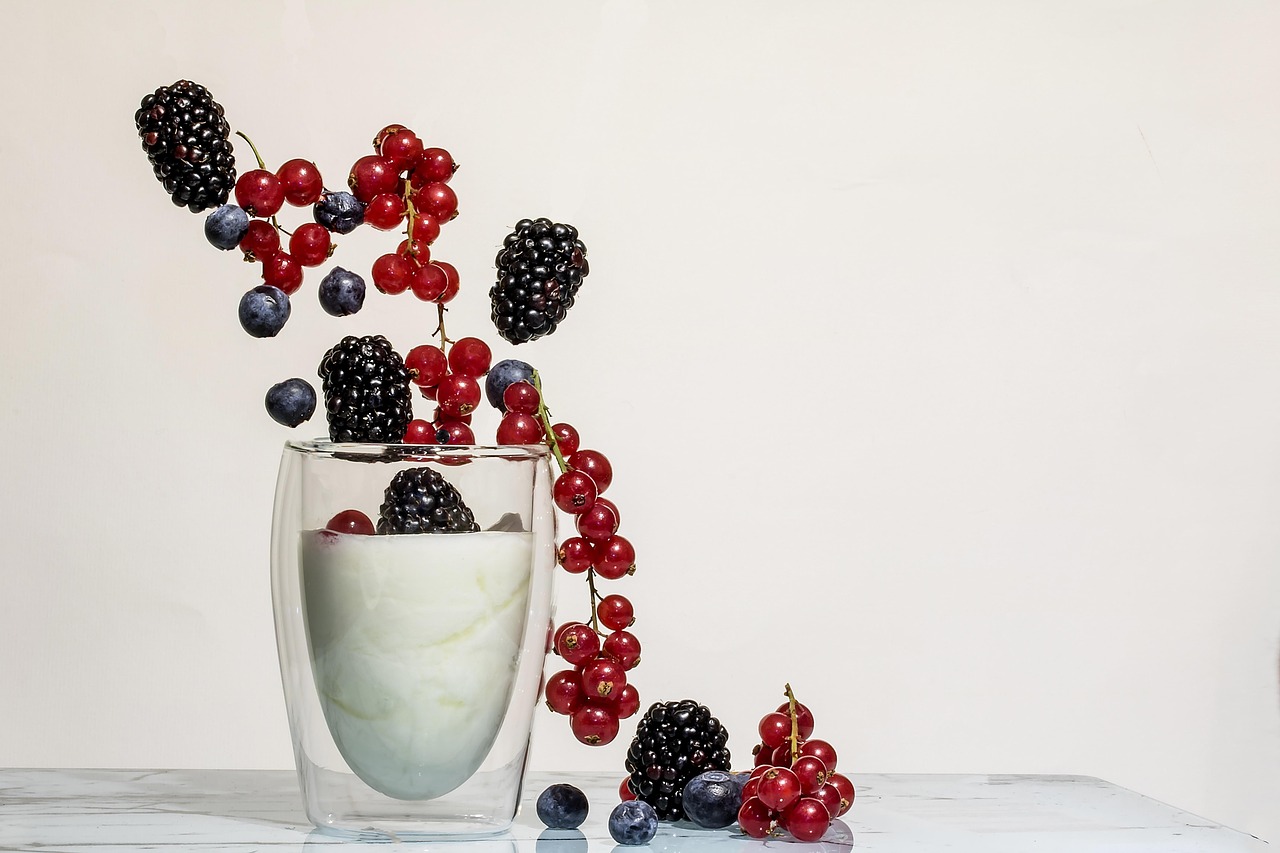
Go for the low glycemic options. Berries are your best bet. Cherries, apples, and pears work too. They have more fiber and won’t spike your blood sugar like a banana or mango will.
Now, some people say you should avoid fruit altogether because of the sugar. But that’s throwing the baby out with the bathwater (and yes, I just used a saying I swore I’d never use).
The trick is pairing it right.
Grab an apple with peanut butter. Toss berries into Greek yogurt. The protein and fat slow down how fast your body absorbs the sugar. Simple fix that makes a real difference.
Speaking of yogurt, let’s talk dairy.
Plain is your friend here. I’m talking unsweetened Greek yogurt or regular low-fat milk. The flavored stuff? It’s basically dessert with a health halo.
Check the labels. You’d be surprised how much sugar sneaks into things that seem innocent.
If you want good food for diabetes Ontpdiet, these choices matter. They keep your energy steady without the crash that comes from eating fruit solo or sweetened dairy products. For those navigating dietary choices for diabetes, the Healthy Food Guide Ontpdiet offers invaluable insights into maintaining steady energy levels while avoiding the pitfalls of sugary snacks. For anyone managing diabetes, following the Healthy Food Guide Ontpdiet can provide essential strategies to make nutritious choices that stabilize energy levels and support overall health.
Start small. Swap one thing this week and see how you feel.
Empowering Your Health, One Meal at a Time
You now have a comprehensive list of nutritious foods that form the foundation of a successful diabetes-friendly diet.
The challenge isn’t about deprivation. It’s about making informed choices that work for your body.
I’ve shown you that non-starchy vegetables, lean protein, smart carbs, and healthy fats are your allies. These foods help you create satisfying meals that promote stable blood sugar.
You don’t need to overhaul everything at once.
Start today by incorporating one new food from this list into your next meal. Notice how energized and in control you feel.
Managing diabetes through diet isn’t a mystery anymore. You have the knowledge and the tools to make it work.
Your next step is simple: pick one food and try it. Then build from there.
The power to stabilize your blood sugar is on your plate. You just need to use it.
 Torveth Vandell has opinions about food trends and insights. Informed ones, backed by real experience — but opinions nonetheless, and they doesn't try to disguise them as neutral observation. They thinks a lot of what gets written about Food Trends and Insights, Dietary Restrictions and Alternatives, Healthy Diet Plans is either too cautious to be useful or too confident to be credible, and they's work tends to sit deliberately in the space between those two failure modes.
Reading Torveth's pieces, you get the sense of someone who has thought about this stuff seriously and arrived at actual conclusions — not just collected a range of perspectives and declined to pick one. That can be uncomfortable when they lands on something you disagree with. It's also why the writing is worth engaging with. Torveth isn't interested in telling people what they want to hear. They is interested in telling them what they actually thinks, with enough reasoning behind it that you can push back if you want to. That kind of intellectual honesty is rarer than it should be.
What Torveth is best at is the moment when a familiar topic reveals something unexpected — when the conventional wisdom turns out to be slightly off, or when a small shift in framing changes everything. They finds those moments consistently, which is why they's work tends to generate real discussion rather than just passive agreement.
Torveth Vandell has opinions about food trends and insights. Informed ones, backed by real experience — but opinions nonetheless, and they doesn't try to disguise them as neutral observation. They thinks a lot of what gets written about Food Trends and Insights, Dietary Restrictions and Alternatives, Healthy Diet Plans is either too cautious to be useful or too confident to be credible, and they's work tends to sit deliberately in the space between those two failure modes.
Reading Torveth's pieces, you get the sense of someone who has thought about this stuff seriously and arrived at actual conclusions — not just collected a range of perspectives and declined to pick one. That can be uncomfortable when they lands on something you disagree with. It's also why the writing is worth engaging with. Torveth isn't interested in telling people what they want to hear. They is interested in telling them what they actually thinks, with enough reasoning behind it that you can push back if you want to. That kind of intellectual honesty is rarer than it should be.
What Torveth is best at is the moment when a familiar topic reveals something unexpected — when the conventional wisdom turns out to be slightly off, or when a small shift in framing changes everything. They finds those moments consistently, which is why they's work tends to generate real discussion rather than just passive agreement.