A Return to Ancient Wisdom
Fermentation isn’t trendy it’s timeless. Long before refrigerators and vacuum seals, humans were already figuring out how to make food last, taste better, and even boost its nutritional value. From the crisp, spicy tang of kimchi in Korea to the earthy funk of German sauerkraut, fermentation has been a cornerstone of food culture around the world for centuries. It preserved more than just vegetables; it carried forward tradition, identity, and flavor.
But 2026 marks a shift in how we see these age old methods. It’s no longer just about preserving food it’s about preserving health. With scientific research catching up to cultural wisdom, people are finally understanding why their ancestors swore by fermented foods. The link between microbes and gut health, immunity, even mental clarity, is solidifying. We’re not just eating fermented foods because they’re old school we’re doing it because they work. And now, the past feels more relevant than ever.
Gut Health Is the Front Line
Why the Microbiome Matters
In recent years, science has uncovered just how critical gut health is to our overall well being. The gut microbiome the ecosystem of bacteria living in our digestive tract plays a central role in physical and mental health.
A well balanced microbiome supports better digestion
It’s linked to a stronger immune system, potentially reducing illness and inflammation
Emerging research suggests connections between gut bacteria and brain function, including mood and cognition
Fermented Foods: Natural Probiotic Powerhouses
Fermented foods deliver live, beneficial bacteria that can help restore and maintain a healthy microbiome. These foods are being embraced not just for tradition, but for tangible health benefits that align with modern wellness priorities.
Popular probiotic rich options include:
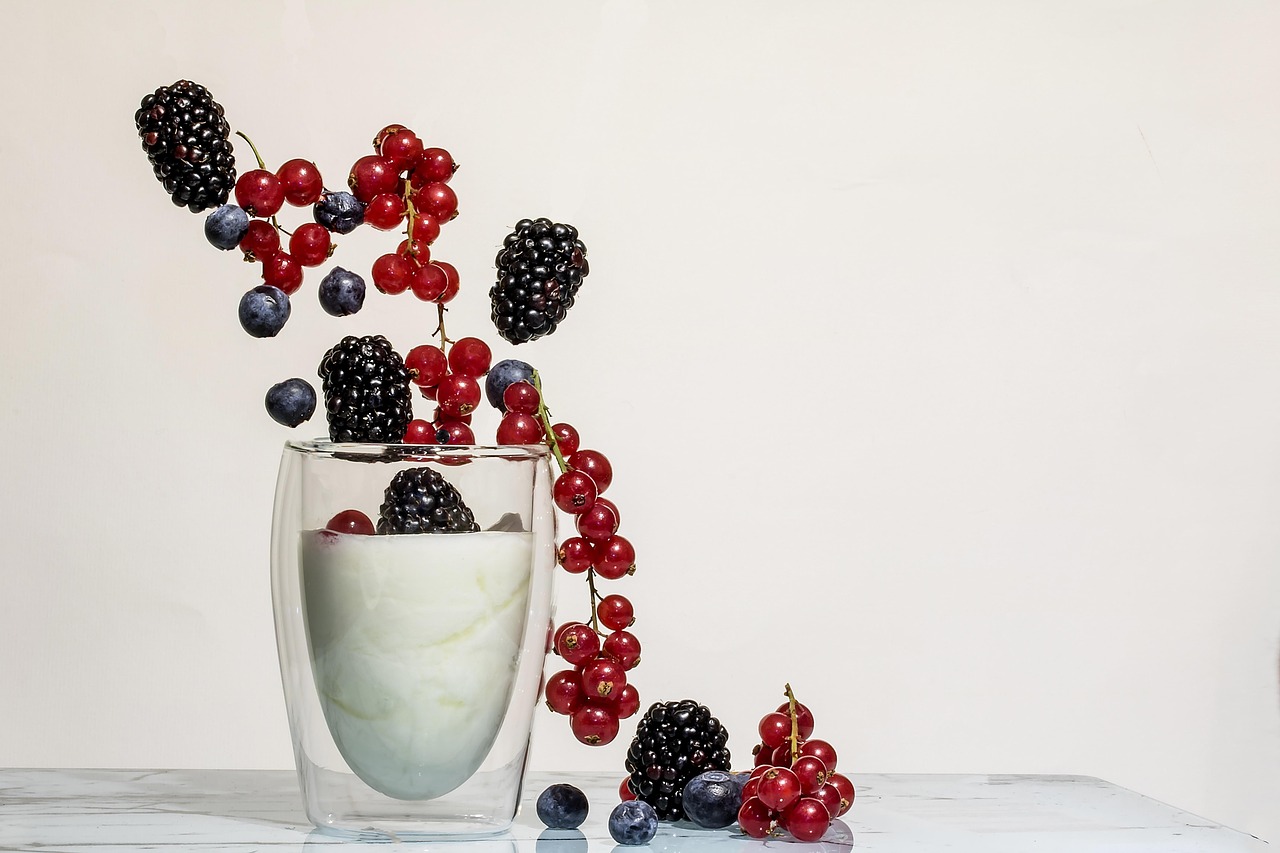
Yogurt: A familiar favorite, especially when unsweetened and rich in live cultures
Kefir: A tangy, drinkable option with a broader spectrum of probiotics
Miso: A savory Japanese paste made from fermented soybeans, often used in soups and sauces
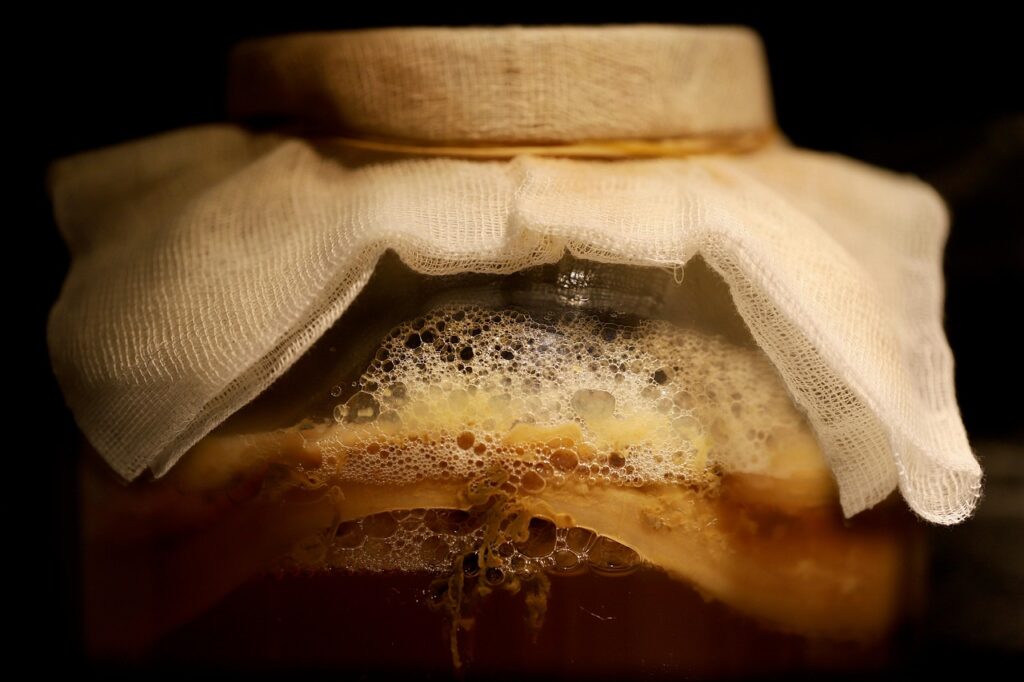
Kombucha: A fizzy, fermented tea known for its bold flavors and digestive benefits
Tempeh: A firmer, fermented soy product packed with protein and gut friendly microbes
From Niche to Necessity
What was once a specialty aisle is now mainstream. Health conscious consumers are regularly adding fermented foods to their carts not just for taste, but because they recognize the long term value. These aren’t fads; they’re functional staples that support both prevention and performance.
Whether you’re focusing on immunity, digestion, or mental clarity, incorporating fermented foods is becoming a natural part of daily nutrition.
Fermented, Functional, and Full of Flavor
Fermentation is more than a preservation technique it’s a transformation process that enhances both taste and nutrition. As people explore food not just for sustenance but for experience, fermented ingredients are gaining respect from nutritionists and chefs alike.
Flavor That Works Harder
One of the most appealing aspects of fermentation is its ability to create bold, complex flavors:
Sour from lactic acid, a result of friendly bacteria at work
Salty from brining processes in pickles, sauerkraut, and olives
Umami rich from aged and fermented soy products like miso or soy sauce
These dynamic taste profiles make fermented foods a go to for chefs looking to add depth and distinction to dishes. As a result, they’re finding their way into:
Upscale restaurant tasting menus
Fusion cuisine concepts
Innovative home cooking recipes
A Nutritional Boost
Beyond bold flavor, fermented foods bring real nutritional benefits:
Improved Nutrient Availability: Lactic acid bacteria help break down foods, making vitamins and minerals easier for our bodies to absorb.
Probiotic Power: Fermentation naturally produces beneficial bacteria that can help maintain a healthy gut microbiome.
Together, flavor and function make fermented foods a value driven choice for both health conscious eaters and culinary creatives.
In a food landscape often dominated by novelty, fermentation stands out not because it’s new, but because it continues to prove itself invaluable.
The Sustainability Connection

Fermentation doesn’t need much to work basic ingredients, minimal energy, and often zero added preservatives. It’s the kind of low impact process that makes perfect sense in a world stretched for resources. Whether you’re talking about a batch of kimchi made from seasonal vegetables or a jar of miso that ferments quietly over months, the footprint is small and the output is big.
There’s also the waste factor. Fermentation turns potential food waste into high value nutrition. Bruised fruit becomes kefir; leftover cabbage gets a second life as sauerkraut. And because many fermented foods are plant based or plant forward, they naturally align with the dietary shift toward more sustainable eating.
As global food systems rethink what it means to feed billions without burning out the planet, fermentation stands out not as a trend, but as practical, scalable tradition. For a deeper look at how this fits into broader sustainability trends, see The Growth of Sustainable Eating and Eco Friendly Diet Trends.
DIY Fermentation: A Home Revival
What started as a lockdown hobby has stuck around for the long haul. From sourdough experiments to mason jars full of kraut and kimchi, DIY fermentation didn’t lose steam after 2020 it ramped up. The appeal is straightforward: it’s hands on, it’s sensory, and once you learn the basics, hard to put down.
Fermentation gives people more control over what they eat. Fewer preservatives, simple ingredients, and the kind of flavors you just can’t mass produce. It’s food that takes time, and that’s kind of the point. In a culture built around speed and convenience, slow food is its own form of rebellion.
And getting started has never been simpler. Social media is packed with no frills how tos. Home fermenters share their wins, fails, and fixes in real time. Beginners don’t feel like they’re doing it alone. Add to that the growing number of virtual workshops and community led classes, and the barrier to entry keeps getting lower.
People are connecting back to their food. Not for trend points, but for something more grounded. Fermentation hits that mark.
A Food Trend With Staying Power
This isn’t some flash in the pan juice cleanse. The return to fermented foods is a bigger shift a move toward eating that’s rooted in tradition, backed by science, and driven by both flavor and function. It’s not about novelty; it’s about reconnection.
We’re seeing the pieces line up. Researchers are validating what grandmothers and monks knew centuries ago. Chefs are bringing bold, fermented notes into fine dining and street food alike. Sustainability advocates are highlighting fermentation as low waste and low impact. Even cultural movements are leaning into ancestral foodways and fermentation is always there.
In short, it’s not a trend. It’s a reset. And it’s not going away.
 Josephine Schulerztin has opinions about meal prep strategies. Informed ones, backed by real experience — but opinions nonetheless, and they doesn't try to disguise them as neutral observation. They thinks a lot of what gets written about Meal Prep Strategies, Delicious Recipe Ideas, Nutrition Tips and Advice is either too cautious to be useful or too confident to be credible, and they's work tends to sit deliberately in the space between those two failure modes.
Reading Josephine's pieces, you get the sense of someone who has thought about this stuff seriously and arrived at actual conclusions — not just collected a range of perspectives and declined to pick one. That can be uncomfortable when they lands on something you disagree with. It's also why the writing is worth engaging with. Josephine isn't interested in telling people what they want to hear. They is interested in telling them what they actually thinks, with enough reasoning behind it that you can push back if you want to. That kind of intellectual honesty is rarer than it should be.
What Josephine is best at is the moment when a familiar topic reveals something unexpected — when the conventional wisdom turns out to be slightly off, or when a small shift in framing changes everything. They finds those moments consistently, which is why they's work tends to generate real discussion rather than just passive agreement.
Josephine Schulerztin has opinions about meal prep strategies. Informed ones, backed by real experience — but opinions nonetheless, and they doesn't try to disguise them as neutral observation. They thinks a lot of what gets written about Meal Prep Strategies, Delicious Recipe Ideas, Nutrition Tips and Advice is either too cautious to be useful or too confident to be credible, and they's work tends to sit deliberately in the space between those two failure modes.
Reading Josephine's pieces, you get the sense of someone who has thought about this stuff seriously and arrived at actual conclusions — not just collected a range of perspectives and declined to pick one. That can be uncomfortable when they lands on something you disagree with. It's also why the writing is worth engaging with. Josephine isn't interested in telling people what they want to hear. They is interested in telling them what they actually thinks, with enough reasoning behind it that you can push back if you want to. That kind of intellectual honesty is rarer than it should be.
What Josephine is best at is the moment when a familiar topic reveals something unexpected — when the conventional wisdom turns out to be slightly off, or when a small shift in framing changes everything. They finds those moments consistently, which is why they's work tends to generate real discussion rather than just passive agreement.