You’ve probably heard the prayer Allahumma unsur al-muslimin fi Filistin recited in sermons, online videos, or during community gatherings. You might be curious about its meaning and why it’s so important. This article is here to give you a complete guide to this powerful prayer.
We’ll cover the exact Arabic text, a clear English translation, a guide to pronunciation, and the deep spiritual context behind it. Understanding this prayer is a way to connect with and show solidarity for people facing hardship. Dua, or supplication, is a direct line of communication with God in Islam, and this particular one carries a lot of weight.
The Prayer in Arabic: Text and Pronunciation Guide
Here’s the full Arabic script: اللَّهُمَّ انْصُرِ الْمُسْلِمِينَ فِي فِلَسْطِينَ.
And here’s a simple, easy-to-read English transliteration: ‘Allahumma unsuril muslimina fi Filistin’.
For American English speakers, a phonetic breakdown can be really helpful. Try this: ‘Al-la-hoom-ma un-sur-il Mus-lee-mee-na fee Fi-lis-teen’.
Some sounds in Arabic don’t have a direct English equivalent. For instance, the ‘s’ in ‘unsur’ is an emphatic sound, which is a bit deeper and more forceful than the regular ‘s’ in English. It’s like saying ‘s’ with a bit more emphasis.
Intention is what matters most in prayer. But striving for correct pronunciation is also a sign of respect for the prayer and the Arabic language.
Slight variations in pronunciation may exist, but the core sounds remain consistent. This means that even if you hear it said slightly differently, the main message and meaning stay the same.
Remember, allahumma suril muslimin fi palestine in arabic is a call for support and strength.
A Word-by-Word Translation and Its Deeper Meaning
Let’s break down the prayer into its core components for easy understanding.
First, we have “Allahumma” (O Allah). This is a direct call to God, seeking His attention and mercy.
Next, “unsur” (grant victory to / aid / support). This word carries more weight than just asking for help. It’s a plea for divine intervention, victory against oppression, and deliverance from suffering.
Then, “al-muslimin” (the Muslims). This specifies the group being prayed for, highlighting their collective struggle.
Moving on, “fi” (in) and “Filistin” (Palestine). These words place the context of the prayer in a specific location, adding urgency and relevance.
When you put it all together, the full, flowing English translation is: “O Allah, grant victory to the Muslims in Palestine” or “O Allah, aid. Support the Muslims in Palestine.” Ontpdiet
This specific wording is powerful because it connects to historical and scriptural themes of seeking God’s help in times of injustice. It’s a reminder that in moments of oppression, turning to a higher power can be a source of strength and hope.
In simple terms, the core request of the prayer is: May God help and protect the Muslims in Palestine.
The phrase “allahumma suril muslimin fi palestine” in Arabic encapsulates this deep and heartfelt plea.
The Spiritual Context: When and Why This Prayer is Recited
This prayer, allahumma suril muslimin fi palestine, is most frequently recited during times of conflict, hardship, or perceived injustice affecting the people of Palestine. It’s a way to seek divine help and support.
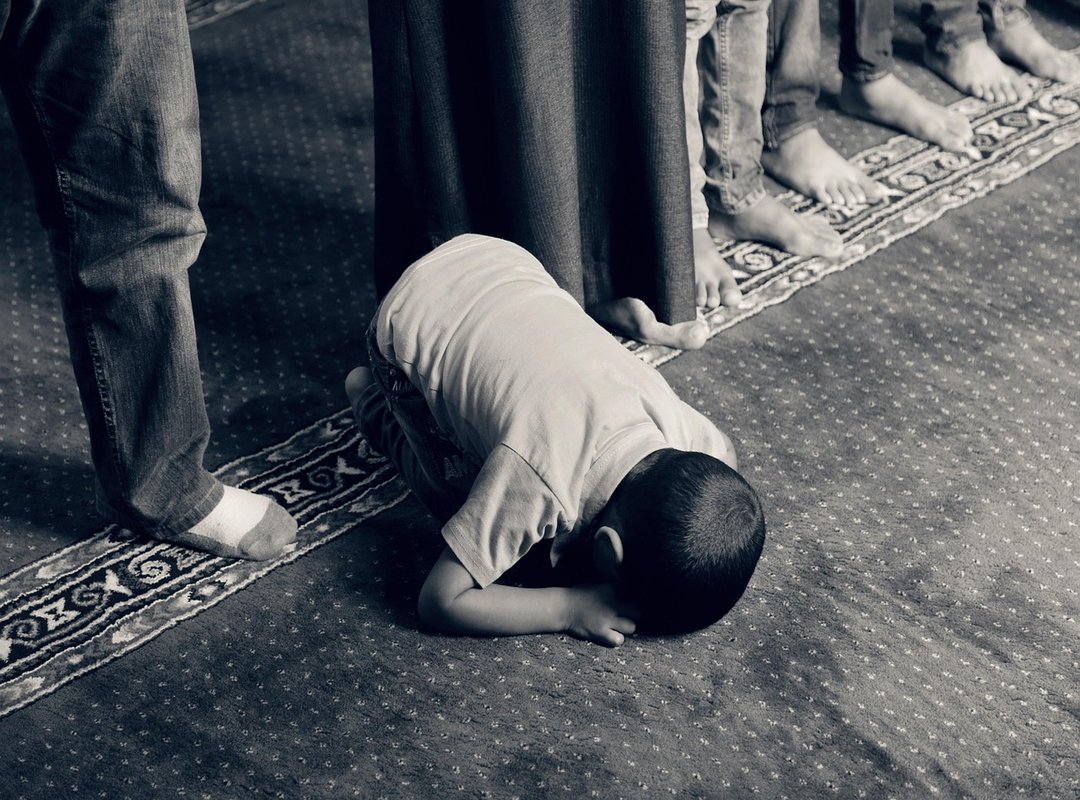
In formal prayers, it’s often part of ‘Qunut Nazilah.’ This is a special supplication made when the Muslim community (Ummah) faces a calamity. Think of it as a collective cry for help in tough times.
The Ummah is the global Muslim community. This prayer is a powerful expression of solidarity, transcending borders and nationalities. It reminds us that we’re all in this together, no matter where we are.
It’s not just for formal prayers. Individuals recite it in their personal prayers, in Friday sermons (khutbah), and at community gatherings focused on humanitarian issues. It’s a way to show you care and stand with others.
Reciting this prayer is an act of empathy and spiritual support. It’s about fulfilling the Islamic duty to care for fellow believers. For many, it’s a foundational step, a way to start before taking any other action.
Prayer isn’t just a ritual. It’s a way to connect spiritually and emotionally. While political action is important, for believers, prayer is the essential first step.
Variations and Similar Prayers in Islamic Tradition
I remember when I first learned about the allahumma suril muslimin fi palestine prayer. It was a powerful moment, but I also noticed that while this specific wording is popular, variations exist.
For example, some people pray for the ‘mustad’afin’ (the oppressed or weakened) in Palestine. A more general prayer is Allahumma unsur al-mustad’afina fi kulli makan (O Allah, grant victory to the oppressed everywhere).
This shows a broader principle in Islam: to pray for any and all people who are facing injustice and hardship. The core intention of seeking divine help for those in need is the key element, regardless of the exact phrasing.
A Supplication of Hope, Faith, and Solidarity
The prayer is a direct and powerful plea to God for aid and victory for the Muslims in Palestine. It serves as a unifying supplication for the global Muslim community, emphasizing solidarity. Shared faith. allahumma suril muslimin fi palestine in Arabic encapsulates this profound request. Understanding this dua allows one to better appreciate its significance when they hear it.
Prayer has the power to foster empathy. It maintains hope. And it stands as a profound expression of faith during challenging times.
 Josephine Schulerztin has opinions about meal prep strategies. Informed ones, backed by real experience — but opinions nonetheless, and they doesn't try to disguise them as neutral observation. They thinks a lot of what gets written about Meal Prep Strategies, Delicious Recipe Ideas, Nutrition Tips and Advice is either too cautious to be useful or too confident to be credible, and they's work tends to sit deliberately in the space between those two failure modes.
Reading Josephine's pieces, you get the sense of someone who has thought about this stuff seriously and arrived at actual conclusions — not just collected a range of perspectives and declined to pick one. That can be uncomfortable when they lands on something you disagree with. It's also why the writing is worth engaging with. Josephine isn't interested in telling people what they want to hear. They is interested in telling them what they actually thinks, with enough reasoning behind it that you can push back if you want to. That kind of intellectual honesty is rarer than it should be.
What Josephine is best at is the moment when a familiar topic reveals something unexpected — when the conventional wisdom turns out to be slightly off, or when a small shift in framing changes everything. They finds those moments consistently, which is why they's work tends to generate real discussion rather than just passive agreement.
Josephine Schulerztin has opinions about meal prep strategies. Informed ones, backed by real experience — but opinions nonetheless, and they doesn't try to disguise them as neutral observation. They thinks a lot of what gets written about Meal Prep Strategies, Delicious Recipe Ideas, Nutrition Tips and Advice is either too cautious to be useful or too confident to be credible, and they's work tends to sit deliberately in the space between those two failure modes.
Reading Josephine's pieces, you get the sense of someone who has thought about this stuff seriously and arrived at actual conclusions — not just collected a range of perspectives and declined to pick one. That can be uncomfortable when they lands on something you disagree with. It's also why the writing is worth engaging with. Josephine isn't interested in telling people what they want to hear. They is interested in telling them what they actually thinks, with enough reasoning behind it that you can push back if you want to. That kind of intellectual honesty is rarer than it should be.
What Josephine is best at is the moment when a familiar topic reveals something unexpected — when the conventional wisdom turns out to be slightly off, or when a small shift in framing changes everything. They finds those moments consistently, which is why they's work tends to generate real discussion rather than just passive agreement.