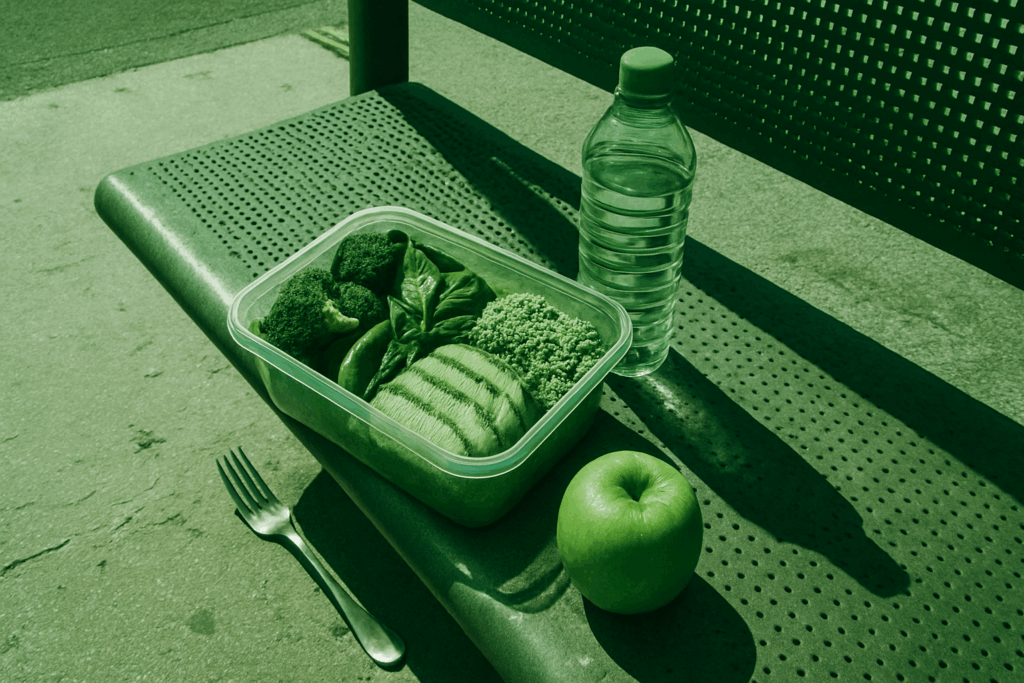
Know What “Balanced” Really Means
Let’s keep it simple: balance isn’t about eating less, it’s about eating right. Any effective diet starts with understanding the three big players macronutrients. Protein helps build and repair, fats support hormones and brain function, and carbs fuel the body. When these show up in the right ratios, your meals work harder for you, not against you.
But it doesn’t stop there. Micronutrients think vitamins like B12 and D, minerals like magnesium and iron are the behind the scenes crew that keep your metabolism, immune system, and energy levels running smooth. If you’re low, you’ll feel it. Fast.
Then there’s hydration. The unsexy, overlooked currency of every bodily function. Most people walk around dehydrated and wonder why they’re tired, foggy, or craving junk. Water won’t solve all your problems, but it’s sure not optional.
And here’s the biggest myth to drop: balance doesn’t mean restriction. It means including what your body actually needs, consistently, without swinging between extremes. You can have structure without suffering. That’s what lasts.
Start with Your True Goal
Before you build a diet plan, you need crystal clarity on what you’re trying to achieve. A “balanced” diet looks different depending on your end goal. Whether you’re aiming to lose weight, build muscle, maintain your current physique, or simply boost your day to day energy, that objective should shape every decision you make in the kitchen.
Match Your Diet to Your Desired Outcome
Each goal influences your macronutrient ratios, meal timing, and portion sizes in different ways. Here’s how the differences break down:
Weight Loss
Focus on a mild calorie deficit but don’t starve yourself
Prioritize high fiber veggies, lean proteins, and moderate healthy fats
Monitor hunger cues to avoid over restriction
Muscle Gain
Increase protein intake to support recovery and growth
Add smart carbs to fuel workouts and replenish glycogen
Aim for a slight calorie surplus quality over quantity
Maintenance
Emphasize consistency over intensity
Keep portions stable and flexible based on daily activity
Mix meal types throughout the week to avoid diet fatigue
Energy Optimization
Balance carbs and protein at every meal to prevent crashes
Stay hydrated fatigue is often dehydration in disguise
Monitor how different foods affect mood, focus, and stamina
Rethink Progress Beyond the Scale
Success isn’t limited to a number on the scale. In fact, real progress is often reflected in how you feel, not just what you weigh. Here’s what else you should be tracking:
Energy levels: Are you powering through the day without crashes?
Sleep quality: Is your diet supporting restful, consistent sleep?
Mental clarity: Are you thinking clearly or feeling foggy after meals?
Exercise performance: Are you stronger, faster, and more resilient?
These indicators offer a more balanced view of how your diet is serving you. When you focus on outcomes beyond weight, you make room for a plan that’s both effective and sustainable.
Customize Based on Your Body and Lifestyle
No diet plan truly works unless it’s built around you your biology, habits, and daily demands. Diet personalization is no longer a luxury; it’s the foundation of long term success.
Factors That Actually Matter
Before setting nutrition goals, consider these individual variables:
Age: Your nutritional needs shift with decades. For example, in your 20s you may need more protein for muscle growth, while in your 50s, calcium and vitamin D become crucial.
Activity Level: A desk job and a training regimen demand completely different fuel loads. Your intake should reflect your output.
Medical History: Food intolerances, digestive conditions, hormonal imbalances, and medications can directly affect how your body absorbs and processes nutrients.
Metabolism: Fast or slow, your metabolism determines how quickly you convert food to energy and impacts how much you need to feel satisfied.
Portion Control for Real Life
Your energy needs aren’t static. Learning how to adjust portions for the kind of day you’re having helps maintain balance without tracking every bite.
On sedentary days: Focus on fiber rich vegetables, lean proteins, and healthy fats. Keep carbs moderate depending on your hunger and energy needs.
On high output or training days: Bump up complex carbs like oats, quinoa, or fruit to fuel performance and recovery.
Tune In To Your Body not Trends
Nutrition trends can be useful starting points, but blindly following them often disconnects you from what your body is actually trying to say.
Pay attention to:
Hunger and fullness cues (not just portion sizes)
Energy crashes, brain fog, or gut discomfort
Cravings that might actually reflect a nutrient need (like salt for sodium loss)
Explore Further
For more guidance on crafting a diet that fits your physiology and lifestyle, check out this deep dive:
How to Customize a Healthy Diet Plan Based on Your Body Type
Build Plates That Actually Work in 2026

Let’s cut the noise. A balanced plate doesn’t need to look like a textbook diagram. Use the 2:1:1 blueprint: two parts vegetables, one part lean protein, one part smart carbs. It’s simple, flexible, and hard to screw up. Fill half your plate with whatever colorful, fiber rich produce you’ve got on hand. Then add a clean protein source chicken, tofu, fish, eggs and finish it off with a controlled portion of carbs like quinoa, oats, or sweet potato. No fads. Just food that fuels.
Meal timing is less about eating every three hours and more about syncing your meals with your life. If you’re training early, front load some carbs. If back to back meetings eat your afternoon, plan something grab and go. The key is predictability that works around your day, not rigidity that ruins it.
Snacking doesn’t need to be the enemy. The difference between smart and mindless is intent. A hard boiled egg and apple mid afternoon? Smart. Slamming chips mindlessly while binge watching? You know what that is. Keep snacks built on protein, fiber, and healthy fats, and they’ll bridge you to the next meal without a blood sugar crash.
Here are some quick meal templates tailored to common goals:
For weight loss: stir fry with chicken, rainbow veggies, and brown rice plus a side of truth: portion control matters.
For muscle gain: beef chili with beans, bell peppers, and wild rice hearty, balanced, and packed with fuel.
For energy and focus: a grain bowl with quinoa, roasted sweet potato, greens, avocado, and grilled tofu steady and satisfying.
What works is what lasts. Build meals you’ll actually make, eat, and enjoy tomorrow and next week, and after that.
Bust the Most Persistent Food Myths
Some food rules are more superstition than science. Let’s clear a few up.
First, “low carb” isn’t the same as “no carb.” Carbs fuel your brain and muscles. Cutting them entirely? That just tanks your energy. Smarter move: prioritize complex carbs like sweet potatoes, lentils, or quinoa and skip the ultra processed junk instead.
Second, sugar isn’t toxic. It’s not a health food, sure, but it doesn’t deserve the villain edit it gets online. The problem isn’t the occasional dessert it’s constant, mindless sugar dumped into everything from cereal to salad dressing. Context counts. Controlled treats are fine. A steady drip of hidden sugar all day? Not so much.
Supplements? You might not need them at all. If your meals are balanced and you’re not dealing with a deficiency, save your money. But if blood work shows you’re low on iron, B12, or vitamin D, supplement smart. Not all pills are scams but not all are necessary either.
Last: eating after 8 PM won’t tank your progress. Your metabolism doesn’t suddenly shut off when it gets dark. What matters more is what and how much you’re eating across the whole day. If you’re hungry at 9 PM, eat something reasonable. A hard cutoff time just creates guilt, not better habits.
Make It Last: Sustainability > Perfection
One off day won’t break your diet. What kills progress is breaking your rhythm for weeks at a time and pretending that every day needs to be perfect. Long term consistency beats short term intensity, every time. Forget chasing flawless streaks. Focus on showing up, more often than not.
Here’s what helps: building systems that work even when your motivation runs dry. A batch of go to meals that you can make on autopilot. A prepped shopping list saved to your phone. A recipe folder with three fast fixes for low energy days. These are small tools, but they make a big dent in decision fatigue.
And don’t kid yourself into thinking this means you can’t enjoy a slice of cake or take a week off during vacation. A plan that doesn’t leave space for real life isn’t sustainable it’s a countdown to burnout. Celebrate. Travel. Deal with the weird days. Then get right back to your foundation. That’s the real flex: not giving up just because things weren’t perfect.
Your Diet, Your Rules (Just Make Them Smart)
The truth is, there’s no master meal plan that works for everyone and that’s actually a huge advantage. You’re not a clone, so don’t eat like one. Instead of forcing your life to fit around someone else’s diet template, build an approach that fits the way you live, work, move, and eat. If you’re someone who works nights, skips breakfast, or trains hard five days a week, that has to shape what’s on your plate.
This isn’t about throwing away structure it’s about owning it. Use what you’ve learned about nutrition, energy levels, and long term sustainability to shape a flexible plan that feels natural. Maybe that means intermittent fasting. Maybe that means small meals every few hours. Maybe it’s oatmeal at dinner and a hearty lunch at noon. The point is: your body, your habits, your blueprint.
Empowered eating in 2026 means making informed decisions not blindly following food rules that don’t serve you. It’s about staying adaptable as your goals shift, your environment changes, and your lifestyle evolves. Smart, not rigid. Balanced, not perfect. Future ready.
 Josephine Schulerztin has opinions about meal prep strategies. Informed ones, backed by real experience — but opinions nonetheless, and they doesn't try to disguise them as neutral observation. They thinks a lot of what gets written about Meal Prep Strategies, Delicious Recipe Ideas, Nutrition Tips and Advice is either too cautious to be useful or too confident to be credible, and they's work tends to sit deliberately in the space between those two failure modes.
Reading Josephine's pieces, you get the sense of someone who has thought about this stuff seriously and arrived at actual conclusions — not just collected a range of perspectives and declined to pick one. That can be uncomfortable when they lands on something you disagree with. It's also why the writing is worth engaging with. Josephine isn't interested in telling people what they want to hear. They is interested in telling them what they actually thinks, with enough reasoning behind it that you can push back if you want to. That kind of intellectual honesty is rarer than it should be.
What Josephine is best at is the moment when a familiar topic reveals something unexpected — when the conventional wisdom turns out to be slightly off, or when a small shift in framing changes everything. They finds those moments consistently, which is why they's work tends to generate real discussion rather than just passive agreement.
Josephine Schulerztin has opinions about meal prep strategies. Informed ones, backed by real experience — but opinions nonetheless, and they doesn't try to disguise them as neutral observation. They thinks a lot of what gets written about Meal Prep Strategies, Delicious Recipe Ideas, Nutrition Tips and Advice is either too cautious to be useful or too confident to be credible, and they's work tends to sit deliberately in the space between those two failure modes.
Reading Josephine's pieces, you get the sense of someone who has thought about this stuff seriously and arrived at actual conclusions — not just collected a range of perspectives and declined to pick one. That can be uncomfortable when they lands on something you disagree with. It's also why the writing is worth engaging with. Josephine isn't interested in telling people what they want to hear. They is interested in telling them what they actually thinks, with enough reasoning behind it that you can push back if you want to. That kind of intellectual honesty is rarer than it should be.
What Josephine is best at is the moment when a familiar topic reveals something unexpected — when the conventional wisdom turns out to be slightly off, or when a small shift in framing changes everything. They finds those moments consistently, which is why they's work tends to generate real discussion rather than just passive agreement.