Why Sugar Still Dominates the Health Conversation in 2026
Despite all the wellness trends, detox challenges, and clean eating hashtags, sugar consumption hasn’t really gone anywhere. It’s just gotten slicker. The labels now say things like “organic coconut nectar” or “raw cane syrup,” but at the core, it’s still added sugar. And it’s still everywhere yogurt, salad dressings, protein bars, even stuff labeled as “healthy.”
The trouble is, not all sugars affect your body the same way. Natural sugars, like the ones in fruits and dairy, are bundled with fiber, water, and nutrients so your system takes its time breaking them down. Added sugars don’t play by those rules. They spike your blood glucose, push your pancreas into overdrive, and get stored as fat faster than you can say “low fat dessert.”
If your goal is stable energy, better digestion, or weight control, recognizing the difference between natural and added sugars actually matters. It’s not about cutting all sweetness from your life it’s about knowing how that sweetness works in your body. Once you get clear on that, you get smarter about the choices you make every day.
Natural Sugar: What It Is and Where It Comes From
Natural sugar shows up in whole foods like fruit, dairy, and some vegetables. But unlike spooning white sugar into your coffee or grabbing a soda, these sources come with a whole package: fiber, water, vitamins, and minerals. That extra baggage slows down how your body processes sugar and that’s a good thing.
When you bite into an apple, the fiber helps steady your blood sugar response. There’s a slower release of glucose, fewer spikes, and more long lasting energy. Same goes for the lactose in plain yogurt or the starches in a carrot. The body doesn’t treat all sugar equally, and that’s the critical difference.
Now compare that to a can of soda, where sugar hits your system fast, floods your bloodstream, and leaves you crashing just as quickly. No fiber, no nutrients, just a quick high and a sharp drop. That’s where the trouble starts and where natural sugar stands apart.
Added Sugar: What Sets It Apart

Added sugar isn’t just about the sweetness you stir into your coffee it’s a refined ingredient quietly woven into much of the modern food supply. Unlike natural sugars found in whole foods, added sugars are processed and stripped of beneficial nutrients, making them more harmful when consumed in excess.
What Counts as Added Sugar?
These are sugars introduced during the preparation or processing of foods not the ones already present in whole ingredients.
Cane sugar
High fructose corn syrup
Agave syrup
Beet sugar
Syrups and sweeteners added to prepared or packaged foods
Where Added Sugar Hides
While it’s obvious in cookies, cakes, and sodas, added sugar often appears in surprising places especially products marketed as “healthy.”
Flavored yogurts
Granola bars and breakfast cereals
Salad dressings
Pasta sauces
Plant based milks
The Blood Sugar Rollercoaster
Added sugars are absorbed quickly, causing blood glucose to spike and then crash. This creates short bursts of energy followed by fatigue, cravings, and often the urge to eat more sugar. Over time, this pattern can stress the body and elevate health risks.
Health Impact: More Than Just Calories
Chronic consumption of added sugar is linked to serious health concerns, including:
Increased inflammation
Greater fat accumulation, especially around the abdomen
Insulin resistance and higher risk of developing type 2 diabetes
Cardiovascular strain and metabolic imbalances
Understanding the implications isn’t about demonizing sugar it’s about recognizing where it’s coming from and how it affects your body when it’s not naturally paired with fiber, nutrients, and a slower absorption process.
Labels, Loopholes, and the Industry Shuffle
The food industry is savvy with words, but don’t get distracted by labels like “organic,” “raw,” or “natural.” If sugar is added during processing no matter how it’s spun it’s still added sugar. And yes, that goes for maple syrup, honey, agave, coconut sugar, and other wellness branded sweeteners. Your body doesn’t care about the packaging; it reacts the same way.
Starting in 2025, the FDA has tightened the screws: products must now list added sugars in grams per serving. That’s a big deal. It forces transparency, even for brands that lean heavily on health halo marketing.
Still, sugar hides under dozens of names. Look out for ingredients like maltose, tapioca syrup, brown rice syrup, and fruit juice concentrate. If it doesn’t sound like something you’d scoop into your coffee, it might still be sweetening your lunch.
As of 2026, the recommended daily cap sits at 36 grams of added sugar for men and 25 grams for women. That’s about 9 and 6 teaspoons, respectively. It adds up fast especially when sneaky sugars turn up in places you wouldn’t expect. Reading labels isn’t nitpicky anymore. It’s survival.
How to Keep Sugar in Check Without Going Extreme
Cutting sugar doesn’t mean cutting all joy. Start with smart swaps. Replace syrupy sweeteners with fruit bananas in smoothies, dates in baked goods. Toss cinnamon or vanilla into coffee instead of spooning in sugar. These tweaks hit the taste buds, not the blood sugar.
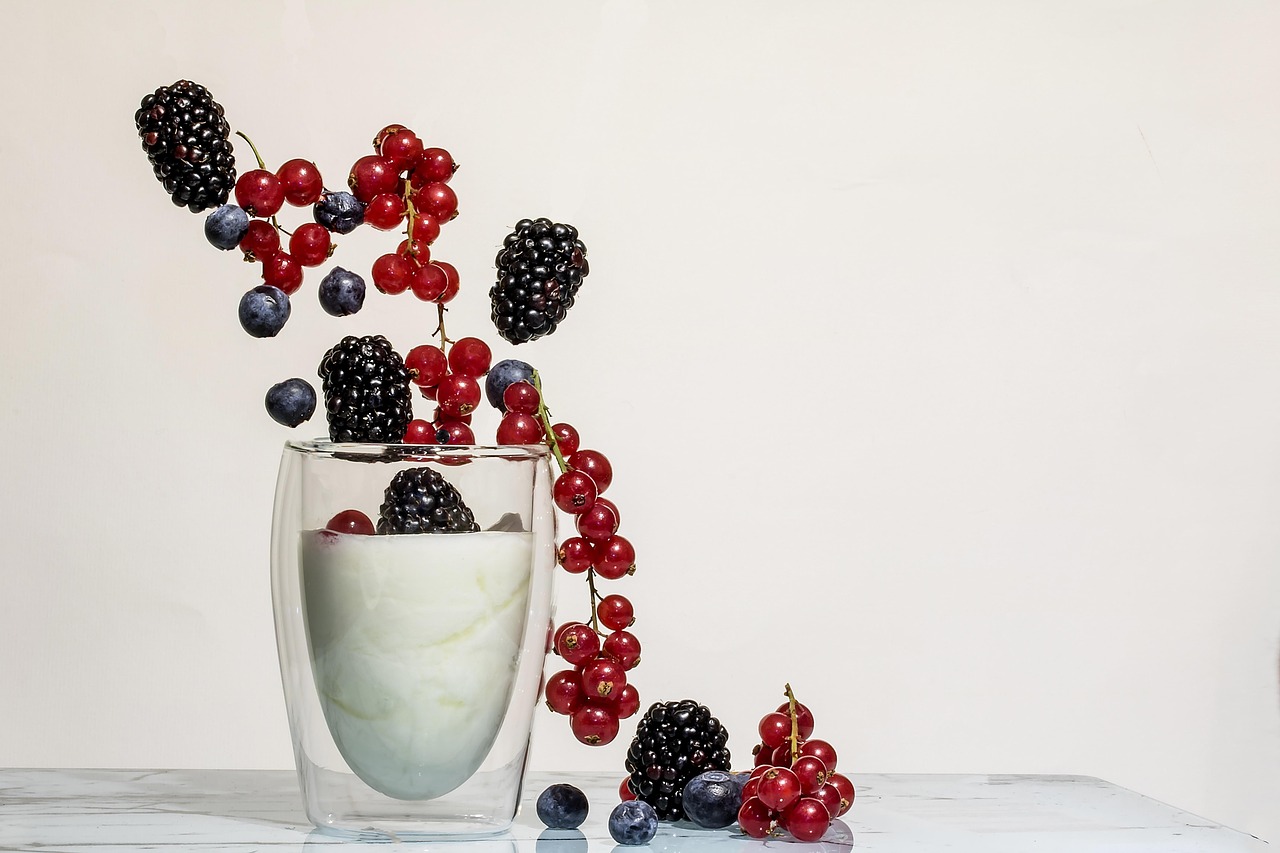
Then, zero in on whole food choices. Craving sweet? Go for options that come with fiber and nutrients fresh berries, roasted sweet potatoes, or even a few squares of dark chocolate with nuts. These satisfy without spiking your glucose.
And if you’re tracking your intake, keep it chill. Use simple tools like a notes app, or apps that focus on trends not micromanagement. The goal is awareness, not obsession. It’s about keeping sugar in check so you don’t crash later not fighting it like it’s the enemy.
When it comes to nutrition, most people aren’t sabotaging their diets with triple cheeseburgers and gallons of soda. The real damage comes from small, daily missteps that slip under the radar and sugar plays a leading role.
One of the most common mistakes? Thinking that all sugars are created equal. That bowl of granola sweetened with agave syrup might have a health halo, but your blood sugar doesn’t know the difference. Same goes for flavored yogurts, “healthy” juices, and protein bars that sneak in more sugar than a candy bar. These choices add up fast and quietly throw off your energy, mood, and long term health goals.
The bigger issue is context: sugar often rides along with other poor habits like skipping meals, not hydrating, or leaning too hard on ultra processed snacks. That’s why it’s important to zoom out. Sugar isn’t just a villain on its own it’s one part of a larger pattern that skews your nutrition goals further from reality.
For a breakdown of these everyday slip ups and how to get ahead of them read Top 10 Everyday Nutritional Mistakes and How to Avoid Them. It’s not about cutting everything out. It’s about finally seeing the whole picture and making smarter calls, without the fuss.
Bottom Line
Here’s the truth in plain terms: natural sugar from whole foods generally isn’t the problem. When you eat an apple or spoon into plain yogurt, you’re getting sugar, yes but it’s sugar that comes bundled with fiber, water, and nutrients. That slows absorption and keeps your blood sugar from spiking like a rollercoaster.
Added sugar is a different story. This is the stuff dumped into processed snacks, drinks, and sneaky “health” foods. It’s stripped of context no fiber, no brakes. It floods your system fast, and when you consume too much (which a lot of people still do daily), it can lead to inflammation, fat storage, and long term metabolic breakdowns.
So don’t panic over a banana. Instead, get smart about ingredient lists and nutrition labels. Know the names added sugar hides behind. Understand your intake without obsessing. Balance not extremes wins every time.
It’s not about perfection. It’s about paying attention.
 Josephine Schulerztin has opinions about meal prep strategies. Informed ones, backed by real experience — but opinions nonetheless, and they doesn't try to disguise them as neutral observation. They thinks a lot of what gets written about Meal Prep Strategies, Delicious Recipe Ideas, Nutrition Tips and Advice is either too cautious to be useful or too confident to be credible, and they's work tends to sit deliberately in the space between those two failure modes.
Reading Josephine's pieces, you get the sense of someone who has thought about this stuff seriously and arrived at actual conclusions — not just collected a range of perspectives and declined to pick one. That can be uncomfortable when they lands on something you disagree with. It's also why the writing is worth engaging with. Josephine isn't interested in telling people what they want to hear. They is interested in telling them what they actually thinks, with enough reasoning behind it that you can push back if you want to. That kind of intellectual honesty is rarer than it should be.
What Josephine is best at is the moment when a familiar topic reveals something unexpected — when the conventional wisdom turns out to be slightly off, or when a small shift in framing changes everything. They finds those moments consistently, which is why they's work tends to generate real discussion rather than just passive agreement.
Josephine Schulerztin has opinions about meal prep strategies. Informed ones, backed by real experience — but opinions nonetheless, and they doesn't try to disguise them as neutral observation. They thinks a lot of what gets written about Meal Prep Strategies, Delicious Recipe Ideas, Nutrition Tips and Advice is either too cautious to be useful or too confident to be credible, and they's work tends to sit deliberately in the space between those two failure modes.
Reading Josephine's pieces, you get the sense of someone who has thought about this stuff seriously and arrived at actual conclusions — not just collected a range of perspectives and declined to pick one. That can be uncomfortable when they lands on something you disagree with. It's also why the writing is worth engaging with. Josephine isn't interested in telling people what they want to hear. They is interested in telling them what they actually thinks, with enough reasoning behind it that you can push back if you want to. That kind of intellectual honesty is rarer than it should be.
What Josephine is best at is the moment when a familiar topic reveals something unexpected — when the conventional wisdom turns out to be slightly off, or when a small shift in framing changes everything. They finds those moments consistently, which is why they's work tends to generate real discussion rather than just passive agreement.