What Makes the Mediterranean Diet So Popular in 2026
Year after year, the Mediterranean diet holds its spot at the top of global health rankings and for good reason. It doesn’t rely on fads or extreme restrictions. Instead, it’s built on simple, time tested habits that have been studied for decades. People following this way of eating tend to live longer, have healthier hearts, and manage weight more effectively than those caught in yo yo diet cycles.
This isn’t a diet that asks you to count every calorie or cut out entire food groups. It leans into whole foods think ripe tomatoes, leafy greens, olive oil, fatty fish, and lentils. It prioritizes quality fats over processed stuff, and it encourages meals that are both nourishing and satisfying. Mindful eating plays a big role: slowing down, sharing meals, eating with intention.
At its core, the Mediterranean diet is more of a lifestyle than a rulebook. You eat foods that fuel you, build meals around plants and healthy fats, and leave restriction at the door. That’s why it continues to stand the test of time.
Core Foods to Focus On
The Mediterranean diet isn’t just about cutting out unhealthy foods it’s about embracing flavorful, nourishing ingredients that support long term health. Here’s a breakdown of the staples that define this way of eating:
Vegetables & Fruits
These make up the bulk of most meals in the Mediterranean diet.
Emphasize a colorful variety to get a broad spectrum of nutrients
Prioritize fresh, seasonal produce for maximum taste and antioxidant content
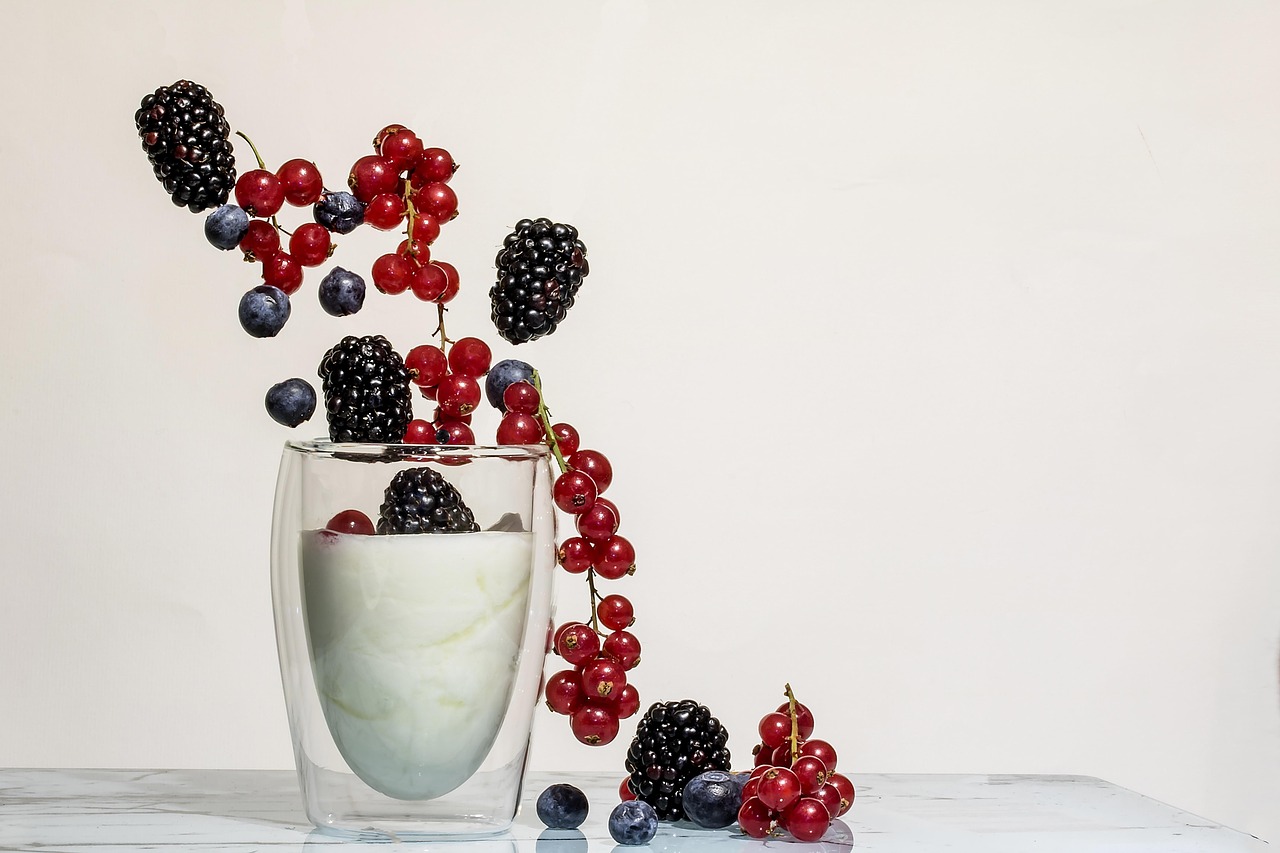
Include leafy greens, tomatoes, cucumbers, onions, grapes, citrus, berries, and more
Whole Grains
Grains consumed in this diet are minimally processed and fiber rich.
Opt for barley, farro, bulgur, and brown rice
Incorporate whole grain breads and pastas with simple ingredients
Use grains as a base for hearty salads, warm breakfast bowls, or savory sides
Healthy Fats
Healthy fats are central to the Mediterranean lifestyle and are never feared.
Extra virgin olive oil is the primary fat used for cooking and dressing
Include unsalted nuts like almonds and walnuts as a snack or salad topper
Add seeds such as sunflower or flax for texture and nutrient boosts
Lean Proteins
Protein sources in this diet are mostly plant or seafood based.
Eat fatty fish like salmon, sardines, and mackerel 2 3 times per week
Include beans, lentils, and chickpeas in soups, stews, or salads
Poultry is enjoyed occasionally, in smaller (often side dish sized) portions
Dairy in Moderation
Dairy is used thoughtfully and often fermented for gut health benefits.
Choose items like plain Greek yogurt and small amounts of aged cheeses (feta, Parmesan)
Avoid high sugar, flavored dairy products
Use yogurt as a base for dips or dressings
Herbs & Spices Over Salt
Flavor is never sacrificed in Mediterranean cooking it’s just created differently.
Use herbs like oregano, thyme, basil, rosemary, and parsley
Add garlic, onion, lemon juice, and vinegar for depth
Rely less on salt and more on natural aromatics for bold taste
Eating Mediterranean doesn’t mean being limited it means elevating simple ingredients into satisfying meals that celebrate both tradition and nutrition.
What to Minimize
The Mediterranean diet isn’t about strict rules, but it does encourage cutting back on foods that don’t serve your long term health. Start with red and processed meats think bacon, sausages, and hamburger patties. These are high in unhealthy fats and linked to inflammation and chronic disease. Instead, favor plant based proteins or fish.
Next, scale down your intake of refined grains and sugars. White bread, pastries, and sugary cereals offer fast energy but lack fiber and nutrients. They spike blood sugar and crash it just as fast. Whole grains are the smarter, steadier choice.
Industrial seed oils like soybean, corn, and canola are common in ultra processed snacks and fast food. These oils are heavily refined and often come with trans fats and pro inflammatory compounds. The Mediterranean kitchen sticks to cold pressed olive oil and minimally processed ingredients.
Sugary drinks and too much alcohol round out the list. Soda, energy drinks, and even fruit juices pack loads of sugar with zero fiber. Wine is part of the Mediterranean diet, but it’s consumed in moderation and usually with a meal. Binge drinking? Not part of the lifestyle.
Minimizing these foods isn’t about restriction it’s about making space for better fuel. Think of it as clearing out clutter so you can focus on what actually nourishes you.
Mediterranean Lifestyle Beyond Food

The Mediterranean diet is more than just a way of eating it’s rooted in a balanced, intentional lifestyle. Adopting this lifestyle can have lasting effects not only on your health, but also on your mood, relationships, and daily rhythm.
Meals Are Meant to Be Shared
Food is central to Mediterranean culture, but it’s less about consuming and more about connecting. Sharing meals with others provides emotional nourishment and reinforces mindful eating habits.
Eat together with family or friends whenever possible
Prioritize sit down meals over eating on the go
View meals as social pauses rather than rushed tasks
Daily Movement, Not Just Exercise
In Mediterranean regions, physical activity is often integrated into daily life, rather than isolated in gyms or workouts. Movement doesn’t have to be intense to be effective.
Walk to run errands instead of driving
Incorporate gardening, dancing, or light household chores
Take the stairs, stretch during breaks, and enjoy outdoor play with kids or pets
Stress Management as a Daily Practice
Well being in this lifestyle also comes from deliberately managing stress. Instead of constant hustle, there’s a culture of balanced pacing.
Build in short breaks during the day to rest or reflect
Spend time outdoors, especially in natural light
Prioritize restful sleep and adopt calming rituals before bed
Living the Mediterranean way means treating your body and mind with steady, supportive habits ones that don’t just complement your diet, but amplify its benefits.
Getting Started: Simple Tips for Beginners
Transitioning to the Mediterranean diet doesn’t have to mean a complete overhaul of your kitchen. A few small, consistent changes can ease you into this way of eating while offering big health benefits.
Easy Diet Swaps to Make Today
Start with these practical changes to bring Mediterranean principles into your everyday meals:
Use Olive Oil Instead of Butter
Choose extra virgin olive oil as your go to fat for cooking, salad dressings, and even baking. It’s rich in heart healthy monounsaturated fats and adds depth of flavor.
Center Meals Around Vegetables and Whole Grains
Make vegetables like spinach, tomatoes, zucchini, and bell peppers the stars of your plate. Pair them with whole grains like brown rice, bulgur, or farro for satisfying, nutrient packed meals.
Enjoy Fish 2 3 Times a Week
Aim for fatty fish like salmon, sardines, and mackerel, which are high in omega 3s. Grilling, baking, or lightly pan searing are all great preparation methods.
Flavor Without the Guilt
Season with Herbs and Spices
Skip the salt shaker. Mediterranean cuisine shines with the use of fresh and dried herbs like oregano, basil, thyme, rosemary, and mint. They add punchy flavor from natural sources.
Pick Fruit Over Processed Sweets
End your meal with nature’s dessert fresh, in season fruit. Think sliced oranges with a drizzle of honey, chilled berries, or cooled watermelon in summer.
Pro Tip:
Meal planning can help ease the transition. Try prepping a batch of whole grains or roasting a tray of vegetables to use throughout the week. Small, steady shifts lead to lasting results.
Curious About Other Diets?
Choosing a diet that works for your lifestyle is more than just following the latest trend it’s about sustainability, personal health goals, and what fits into your daily routine. If you’re exploring your options, it helps to see how different eating patterns compare.
Exploring Alternatives: Keto vs. Paleo
Before deciding, consider the core differences between two other popular diets:
Keto Diet
Focuses on very low carbohydrate intake
High in fats, moderate in proteins
Goal is to reach a state of ketosis where the body burns fat for energy
Paleo Diet
Based on foods presumed to be available to early humans
Emphasizes meats, fish, vegetables, fruits, and nuts
Avoids dairy, grains, legumes, and processed foods
If you’re interested in how these diets stack up side by side, this article breaks it down clearly:
Keto vs. Paleo: Which Diet Suits Your Lifestyle Best
This comparison can give you better insight into what might complement your health needs, preferences, and lifestyle goals.
Bottom Line: A Lifestyle, Not a Fad
The Mediterranean diet continues to earn its reputation for good reason it’s not a rigid program or passing trend. Instead, it’s a flexible, time tested way of eating and living that supports health in a sustainable way.
Why It Works
Balanced, not extreme: Focuses on variety and moderation rather than strict rules
Backed by science: Decades of research support better heart health, longevity, and weight stability
Easy to start: No specialty products or hard restrictions required
How to Make It Your Own
Embracing this diet doesn’t mean overhauling your life overnight. Start with meaningful, manageable changes:
Begin with small swaps such as replacing added sugars with whole fruits
Try one Mediterranean style recipe each week
Focus on what you can add (like vegetables and herbs), not just what to avoid
Keep It Simple, Stay Consistent
Rather than aiming for perfection, aim for consistency. By aligning your eating habits with the Mediterranean principles fresh ingredients, mindful choices, and shared meals you’ll build a healthier, more enjoyable relationship with food over time.
 There is a specific skill involved in explaining something clearly — one that is completely separate from actually knowing the subject. Johnnie Moorendezo has both. They has spent years working with healthy diet plans in a hands-on capacity, and an equal amount of time figuring out how to translate that experience into writing that people with different backgrounds can actually absorb and use.
Johnnie tends to approach complex subjects — Healthy Diet Plans, Food Trends and Insights, Meal Prep Strategies being good examples — by starting with what the reader already knows, then building outward from there rather than dropping them in the deep end. It sounds like a small thing. In practice it makes a significant difference in whether someone finishes the article or abandons it halfway through. They is also good at knowing when to stop — a surprisingly underrated skill. Some writers bury useful information under so many caveats and qualifications that the point disappears. Johnnie knows where the point is and gets there without too many detours.
The practical effect of all this is that people who read Johnnie's work tend to come away actually capable of doing something with it. Not just vaguely informed — actually capable. For a writer working in healthy diet plans, that is probably the best possible outcome, and it's the standard Johnnie holds they's own work to.
There is a specific skill involved in explaining something clearly — one that is completely separate from actually knowing the subject. Johnnie Moorendezo has both. They has spent years working with healthy diet plans in a hands-on capacity, and an equal amount of time figuring out how to translate that experience into writing that people with different backgrounds can actually absorb and use.
Johnnie tends to approach complex subjects — Healthy Diet Plans, Food Trends and Insights, Meal Prep Strategies being good examples — by starting with what the reader already knows, then building outward from there rather than dropping them in the deep end. It sounds like a small thing. In practice it makes a significant difference in whether someone finishes the article or abandons it halfway through. They is also good at knowing when to stop — a surprisingly underrated skill. Some writers bury useful information under so many caveats and qualifications that the point disappears. Johnnie knows where the point is and gets there without too many detours.
The practical effect of all this is that people who read Johnnie's work tend to come away actually capable of doing something with it. Not just vaguely informed — actually capable. For a writer working in healthy diet plans, that is probably the best possible outcome, and it's the standard Johnnie holds they's own work to.