Why Meal Prep Works
Meal prep isn’t trendy it’s practical. Planning out your meals ahead of time cuts down on the daily scramble of figuring out what to eat. That frees up your mental energy for other things and keeps your wallet intact. When you’ve already got your meals lined up, you’re less likely to impulse order overpriced takeout or grab a sugar packed snack on the fly.
It also helps with habits. Having good food ready to go makes it easier to stick with healthier choices. You’re setting the default to something solid instead of leaving it up to a hungry guess at 6 p.m. This structure removes friction. Fewer decisions. Fewer excuses. Just food that works for you, ready when you are.
Long term, it’s not just about eating better it’s about making the process automatic. That consistency is what turns short term effort into real, lasting change.
Getting Started with the Basics
Kitchen tools you actually need (you don’t need a lot)
You don’t need a chef’s kitchen to prep like a pro. Stick to the basics: a solid knife, a cutting board, a large skillet, a couple of pots, one baking sheet, and a reliable blender or food processor if you want to get fancy. A few measuring cups and reusable storage containers round it out. That’s it. Don’t let gear be your excuse.
Budget friendly grocery shopping for meal prepping
Plan before you shop, and you’ll shop smarter. Build your meals around affordable whole foods think oats, beans, lentils, eggs, frozen veggies, canned tuna, and in season produce. Buy in bulk when it makes sense, and don’t sleep on store brands. Stick to your list, avoid impulse buys, and if you can, shop once a week max.
How to plan a week without getting overwhelmed
Start small. Don’t try to plan 21 gourmet meals on your first go. Pick 2 3 breakfasts, 2 lunches, and 2 dinners you can rotate. Aim for meals that use overlapping ingredients chicken and rice can turn into a burrito bowl, a stir fry, or soup. Focus on function, not Pinterest perfection. You’re feeding yourself, not filming a cooking show.
Smart storage: containers, fridge order, and labeling
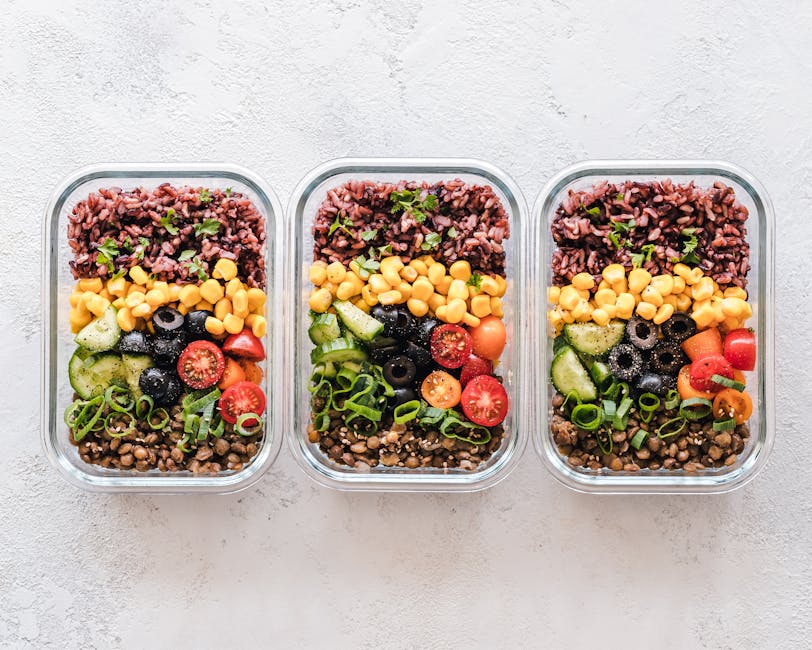
Stackable glass or BPA free plastic containers with tight lids are your best friends. Get a mix of sizes so you’re not cramming salad into a soup jar. Use masking tape and a marker to label meals with dates. In your fridge, keep proteins and mains at eye level, snacks in accessible bins, and extras like chopped herbs or sauces grouped by flavor. Stay organized, and your future self will thank you.
Day 1: Prep Day
If Sunday is your prep day, treat it like a short mission not an all day slog. Start with a focused grocery list based on 3 4 core meals you genuinely like. Skip specialty items you won’t use again. Get in, shop smart, and aim to be back home and unpacked in 30 45 minutes.
For the prep itself: batch cook your proteins (chicken breast, tofu, hard boiled eggs), cook up a couple of grains (like quinoa and brown rice), and roast or steam a mix of simple veggies. Stick to defaults that can pivot easily grilled chicken works as a snack, salad topping, or wrap filler.
What makes this work long term are flavor hacks. Think sauces, spice blends, and quick marinades. Keep lemon juice, sriracha, tahini dressing, or coconut aminos on standby. Don’t overthink variety just rotate toppings, sauces, and sides. You’re not cooking for a show. You’re eating to win the week.
Staying Consistent Without Burning Out

Here’s the truth: prepping meals weekly sounds easy on paper, but by Thursday, you’re probably bored of the same bites. The trick isn’t to reinvent every dish it’s learning when to repeat and when to refresh. Rule of thumb: if a meal still tastes good by day three and you’re not dreading it, repeat it once more. Otherwise, plan a mid week mini prep. Not a full restart. Just enough to inject variety think a new sauce, a different grain, or switching up the protein.
One common killer of consistency? Under seasoning. If your meals are bland, you’re not sticking with this. Use spice blends, citrus, and fresh herbs liberally and change them up week to week. Another trap: meals that taste the same across the board. Roasted sweet potatoes, grilled chicken, sautéed spinach… again? Layer flavors differently. Toss the chicken with curry one night, barbecue sauce the next. Same base, new life.
Simplifying doesn’t mean ending up with dry chicken and three day old quinoa. Use batch cooked staples, sure but pair them with two or three rotating sauces, fresh garnishes, or a flash sautéed side. You don’t need 20 ingredients to make meals feel different. Just a smart system and a few flavor upgrades.
The goal isn’t perfection it’s staying in the game. Make it easier on yourself and tastier while you’re at it.
Helpful Resources You Can Use
You don’t need to do this from scratch. Solid tools can make all the difference when it comes to keeping your meal prep efficient, affordable, and stress free. Start with an app or two that fit your style. Tools like Mealime, Paprika, or Whisk let you plan meals, build grocery lists, and even track what’s already in your fridge. Some can even sync with online grocery stores so you can shop without leaving the app.
If you’re watching your budget, use calculators like PlateJoy or Eat This Much. They let you set financial goals and tailor meals based on what you actually want to spend. For kitchen flow, simple organization apps like Sortly or Google Keep help track pantry inventory and keep your prep space from turning chaotic.
Finally, confidence matters. If you want trusted guidelines that don’t waste your time or talk down to you, check out these dietary guide tips. Backed by real nutrition experts, they break down how to make choices that work long term, no gimmicks needed.
Realistic Results You Can Expect
By the end of week two, the daily stress around “what’s for dinner” starts to fade. You’re not scrambling. You’ve got options, they’re already made, and they fit your actual needs not someone else’s idea of health. That alone frees up mental space.
You’ll also start to notice more stable energy throughout the day. Fewer blood sugar spikes and slumps. Digestion tends to improve too, since you’re eating more consistent meals with better ingredients. And with food decisions handled ahead of time, mental clarity improves. It’s easier to focus when you’re not low key thinking about snacks every hour.
The biggest shift? This isn’t a crash diet. It’s not flashy. But it works. It’s a rhythm one you control. Instead of chasing willpower, you’re building a system that holds up without burning you out. That’s the kind of change that sticks.
 There is a specific skill involved in explaining something clearly — one that is completely separate from actually knowing the subject. Johnnie Moorendezo has both. They has spent years working with healthy diet plans in a hands-on capacity, and an equal amount of time figuring out how to translate that experience into writing that people with different backgrounds can actually absorb and use.
Johnnie tends to approach complex subjects — Healthy Diet Plans, Food Trends and Insights, Meal Prep Strategies being good examples — by starting with what the reader already knows, then building outward from there rather than dropping them in the deep end. It sounds like a small thing. In practice it makes a significant difference in whether someone finishes the article or abandons it halfway through. They is also good at knowing when to stop — a surprisingly underrated skill. Some writers bury useful information under so many caveats and qualifications that the point disappears. Johnnie knows where the point is and gets there without too many detours.
The practical effect of all this is that people who read Johnnie's work tend to come away actually capable of doing something with it. Not just vaguely informed — actually capable. For a writer working in healthy diet plans, that is probably the best possible outcome, and it's the standard Johnnie holds they's own work to.
There is a specific skill involved in explaining something clearly — one that is completely separate from actually knowing the subject. Johnnie Moorendezo has both. They has spent years working with healthy diet plans in a hands-on capacity, and an equal amount of time figuring out how to translate that experience into writing that people with different backgrounds can actually absorb and use.
Johnnie tends to approach complex subjects — Healthy Diet Plans, Food Trends and Insights, Meal Prep Strategies being good examples — by starting with what the reader already knows, then building outward from there rather than dropping them in the deep end. It sounds like a small thing. In practice it makes a significant difference in whether someone finishes the article or abandons it halfway through. They is also good at knowing when to stop — a surprisingly underrated skill. Some writers bury useful information under so many caveats and qualifications that the point disappears. Johnnie knows where the point is and gets there without too many detours.
The practical effect of all this is that people who read Johnnie's work tend to come away actually capable of doing something with it. Not just vaguely informed — actually capable. For a writer working in healthy diet plans, that is probably the best possible outcome, and it's the standard Johnnie holds they's own work to.