Why Most Salads Don’t Cut It
Let’s be honest: a pile of lettuce with a few cucumbers doesn’t qualify as a meal. That kind of salad leaves you hungrier than before you sat down. It’s low calorie, sure but if you’re raiding your pantry an hour later, what’s the point?
The problem is nutrient density. Most “diet” salads are too light on protein, fat, and complex carbs. They’re missing the macronutrients your body actually runs on. A real meal should have staying power, not just good PR.
The fix isn’t complicated. Build your salad like you’d build any solid meal: a smart mix of protein, fiber, and healthy fats. Add in a variety of textures and whole food ingredients, and suddenly your salad does more than check a box it keeps you full, boosts energy, and supports your goals without the crash.
Step 1: Start with a Solid Base
If your salad starts with iceberg, you’re setting yourself up for disappointment. It’s basically crunchy water. Swap in greens that hold their own kale, spinach, or arugula. They’re packed with fiber, minerals, and a bit of a bite.
Next, give your salad some staying power. Grains like quinoa, farro, or brown rice bring that carb balance that keeps your blood sugar and your energy steady. They also make the whole bowl feel more like a meal, less like a side dish.
Roasted vegetables are the final piece of the base puzzle. Think sweet potatoes, bell peppers, or even broccoli. Roasting brings out their depth and adds a chewy edge that raw veggies just can’t match. Your fork should never be bored, and this trio makes sure it isn’t.
Step 2: Add Lean, Quality Protein
This is where your salad stops being a side dish and starts pulling its weight. Protein is non negotiable if you want to stay full and focused after a meal. Grilled chicken is a go to it’s simple, lean, and versatile. Tofu brings plant based power and absorbs flavor like a pro. Hard boiled eggs add richness without much fuss. And legumes like chickpeas and lentils work just as well cold as they do warm. They’re budget friendly, fiber rich, and make your salad feel like a meal, not a placeholder.
The goal? Hit at least 15 25 grams of protein per serving. That’s the sweet spot for keeping hunger at bay and energy steady. If your salad isn’t doing that, it’s time to start rethinking your toppings.
Step 3: Don’t Fear Healthy Fats
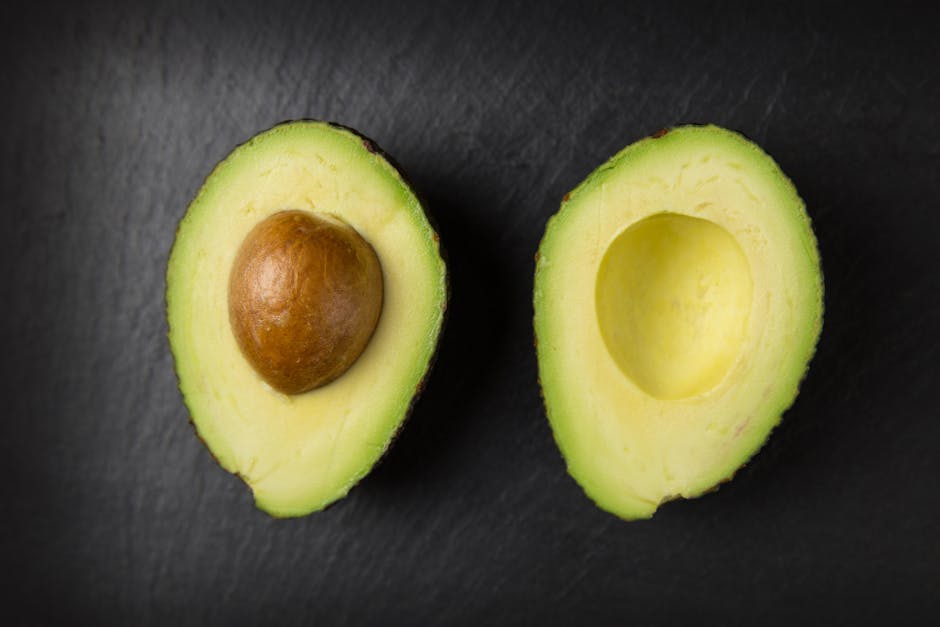
Healthy fats often get an unfair reputation in the world of salads, especially among those trying to cut calories. But if your salad leaves you hungry an hour later, it’s time to rethink that approach. The right kinds of fats not only add satiety but also enhance your body’s ability to absorb essential nutrients.
Why Healthy Fats Matter
Satiety Boost: Ingredients like avocado, nuts, seeds, and olive oil promote feelings of fullness.
Nutrient Absorption: Fats improve the body’s uptake of fat soluble vitamins like:
Vitamin A (supports vision and immunity)
Vitamin D (critical for bone health)
Vitamin E (an antioxidant powerhouse)
Vitamin K (aids in blood clotting and bone strength)
What to Include
Build a balanced salad by incorporating one to two servings of these fat sources:
Avocados: Creamy texture and rich in heart healthy monounsaturated fatty acids.
Olive Oil: Great as a base for homemade dressings, especially extra virgin.
Nuts and Seeds: Almonds, walnuts, sunflower seeds, and chia add not only fat but also crunch and a dose of protein.
Flavor + Function
Beyond nutrition, fats make salads taste better and feel like a real meal:
Drizzle olive oil with lemon juice or vinegar for a quick vinaigrette
Add a few slices of avocado for creaminess instead of cheese or mayo alternatives
Sprinkle roasted seeds for texture and a nutty finish
Don’t skip the fat embrace it with purpose. A well balanced salad needs nutrient density, and healthy oils and plant based fats are key players in making your greens more than just filler.
Step 4: Finish with Texture and Flavor
This is where your salad goes from decent to craveable. Don’t skip the crunch texture adds satisfaction. A handful of toasted nuts or seeds, a scoop of crispy chickpeas, or shards of baked pita chips give every bite more interest and lasting power.
Layer on bold flavor next. Think sharp, salty crumbled feta. Tart pickled onions. Umami packed sun dried tomatoes. Fresh herbs like dill, parsley, or mint lift everything with minimal effort.
And finally, dress it right. No need for bottled sugar bombs. A simple vinaigrette made with lemon juice, good olive oil, Dijon mustard, or creamy tahini will carry the rest of the ingredients. Stick to small batches, taste as you go, and don’t drown your salad. Just enough to coat and complement that’s the sweet spot.
Smart Salad Meal Hacks for Busy Days
If you’re rushing through the week, salads are only as good as your prep. Batch cooking is your best friend here. Grill a few different proteins chicken, tofu, even salmon at once and stash them in the fridge. Roast a big tray of vegetables while you’re at it. They add bulk and flavor, and they reheat well.
Leafy greens go limp fast unless you store them right. Use airtight containers with a paper towel inside to absorb moisture that’ll keep spinach and mixed greens fresh for days longer.
Lastly, keep your lineup interesting. Rotate ingredients each week so you’re not stuck eating the same bowl on repeat. Use different grains, mix up your proteins, toss in new toppings. A few small changes keep meals from feeling like a chore.
(Need more meal ideas? Check out One Pan Dinners: Easy, Healthy, and Delicious Meals for Busy Nights)
Real Value, Not Rabbit Food
Salads That Satisfy, Not Starve
Forget limp lettuce and empty crunch. When built the right way, salads have real staying power. The idea isn’t to cut calories as low as possible it’s to build meals that nourish and satisfy at the same time.
Salads can be just as filling as any other balanced meal
Nutrient rich ingredients help sustain energy levels and curb midday cravings
Volume + variety = a more satisfying eating experience
Eat Clean Without Eating Less
In 2026, clean eating is shifting from restriction to strategy. It’s not about what you eliminate from your plate it’s about what you thoughtfully include. Building a smart salad means fueling your body, not depriving it.
Focus on quality macronutrients: carbs, proteins, and fats all have a place
Choose real, whole food ingredients with flavor and function
Don’t obsess over calories prioritize food that fuels performance, mood, and metabolism
Build Plates That Work Harder
What makes a salad “work harder” for your hunger? It’s all about balance, preparation, and taste:
Balance: Mix textures, flavors, and colors for visual and nutritional diversity
Preparation: Batch cook key ingredients so salads are quick to assemble
Taste: Use herbs, spices, and homemade dressings to avoid bland bites
When built with intention, salads stop being side dishes and start serving as powerful main meals that fuel your entire day.
 Josephine Schulerztin has opinions about meal prep strategies. Informed ones, backed by real experience — but opinions nonetheless, and they doesn't try to disguise them as neutral observation. They thinks a lot of what gets written about Meal Prep Strategies, Delicious Recipe Ideas, Nutrition Tips and Advice is either too cautious to be useful or too confident to be credible, and they's work tends to sit deliberately in the space between those two failure modes.
Reading Josephine's pieces, you get the sense of someone who has thought about this stuff seriously and arrived at actual conclusions — not just collected a range of perspectives and declined to pick one. That can be uncomfortable when they lands on something you disagree with. It's also why the writing is worth engaging with. Josephine isn't interested in telling people what they want to hear. They is interested in telling them what they actually thinks, with enough reasoning behind it that you can push back if you want to. That kind of intellectual honesty is rarer than it should be.
What Josephine is best at is the moment when a familiar topic reveals something unexpected — when the conventional wisdom turns out to be slightly off, or when a small shift in framing changes everything. They finds those moments consistently, which is why they's work tends to generate real discussion rather than just passive agreement.
Josephine Schulerztin has opinions about meal prep strategies. Informed ones, backed by real experience — but opinions nonetheless, and they doesn't try to disguise them as neutral observation. They thinks a lot of what gets written about Meal Prep Strategies, Delicious Recipe Ideas, Nutrition Tips and Advice is either too cautious to be useful or too confident to be credible, and they's work tends to sit deliberately in the space between those two failure modes.
Reading Josephine's pieces, you get the sense of someone who has thought about this stuff seriously and arrived at actual conclusions — not just collected a range of perspectives and declined to pick one. That can be uncomfortable when they lands on something you disagree with. It's also why the writing is worth engaging with. Josephine isn't interested in telling people what they want to hear. They is interested in telling them what they actually thinks, with enough reasoning behind it that you can push back if you want to. That kind of intellectual honesty is rarer than it should be.
What Josephine is best at is the moment when a familiar topic reveals something unexpected — when the conventional wisdom turns out to be slightly off, or when a small shift in framing changes everything. They finds those moments consistently, which is why they's work tends to generate real discussion rather than just passive agreement.