Why Budget Meal Prep Works in 2026
Grocery prices haven’t magically gone back to pre 2020 levels, and if you’ve walked into a supermarket lately, you’ve felt the pinch. Inflation is stubborn, and food remains one of the most sensitive areas. That’s where meal prepping done right saves the day. It’s not about stocking up like a doomsday prepper, but about thinking ahead to dodge the traps: overpriced takeout, last minute delivery charges, and wasted ingredients.
Good nutrition doesn’t need to mean overpriced health food. It just needs planning. Basics like lentils, rice, eggs, and frozen veggies stack the nutrients and keep the bill low. With even a basic strategy, you end up with meals that hit your macros, don’t bore you, and leave room in your budget for extras.
Prepping also kills the impulse run to a drive thru or scrolling late night food apps. The more meals you’ve got locked down for the week, the less tempted you’ll be to sabotage your wallet (and maybe your gut).
Smart prepping keeps money in your pocket and value on your plate. That’s the balance.
Step 1: Set a Clear Weekly Budget
Start with a number. $40, $60, $75 whatever works for your situation. Set it, write it down, and don’t treat it like a suggestion. A hard ceiling brings discipline and forces you to choose what really matters. That’s the whole point.
Next, get digital. Grocery list apps like AnyList or budgeting tools like YNAB or Goodbudget help you stay focused and track what every cent is doing. Plan before the store, not while pushing the cart.
But don’t nickel and dime everything. Leave room in your budget for smart bulk buys big bags of rice, family packs of chicken, or multipacks of frozen veggies. These stretch over weeks and save way more in the long run. Just make sure they fit the plan, not wreck it.
Step 2: Plan Simple, Balanced Meals
A realistic meal plan doesn’t mean complicated recipes every night. In fact, the more you simplify, the easier it becomes to stick to your budget and stay consistent.
Stick to 3 4 Core Ingredients Per Meal
Design your meals around a few versatile ingredients. These should form the backbone of your shopping list and work across multiple dishes to lower costs and reduce food waste.
Examples: chicken thighs, brown rice, broccoli, sweet potatoes
Repeat ingredients across meals to stretch your dollar
Avoid overbuying specialty items that only work in one dish
Build with Nutritional Balance in Mind
Ensure each meal checks the right boxes for fuel, flavor, and satiety:
Lean proteins: Chicken, eggs, tofu, lentils, canned tuna
Seasonal produce: Cheaper, fresher, more nutritious
Smart carbs: Brown rice, quinoa, whole wheat pasta, sweet potatoes
Balanced doesn’t mean boring. Small tweaks create big variety without extra cost.
Rotate Spices and Sauces to Avoid Flavor Fatigue
Using the same base ingredients? No problem as long as you switch up how they taste.
Keep your kitchen stocked with affordable, versatile seasonings: garlic powder, cumin, chili flakes, curry powder
DIY basic sauces: peanut lime, balsamic glaze, yogurt based dressings
Focus on flavor layering instead of relying on pricier condiments
Resource:
Need help building your first meal plan? Check out this sample plan in the Ultimate Guide to Weekly Meal Prep for Beginners to get started with minimal fuss.
Step 3: Shop Strategically
If there’s one rule to follow at the store, it’s this: don’t wing it. Go in with a clear list and stick to it no detours, no distractions. This single habit saves both money and stress.
Bulk bins are your best friend. Stock up on staples like oats, rice, lentils, dried beans, and frozen veggies. These stretch across meals and keep well, which means fewer trips to the store and less waste. Plus, they’re just cheaper per serving.
Skip the name brands for pantry basics. Store brand olive oil, canned tomatoes, and whole wheat pasta often taste the same at half the price. You’re feeding yourself, not running a cooking show.
Finally, get smart with your ingredients. Choose items that multitask think spinach you can toss into eggs, sandwiches, or stir fry. Yogurt that works for breakfast and marinades. Flexibility makes the most of your budget and avoids that mid week scramble where nothing matches.
Shopping on a budget isn’t about sacrifice. It’s about making every item count.
Step 4: Cook Once, Eat Many Times
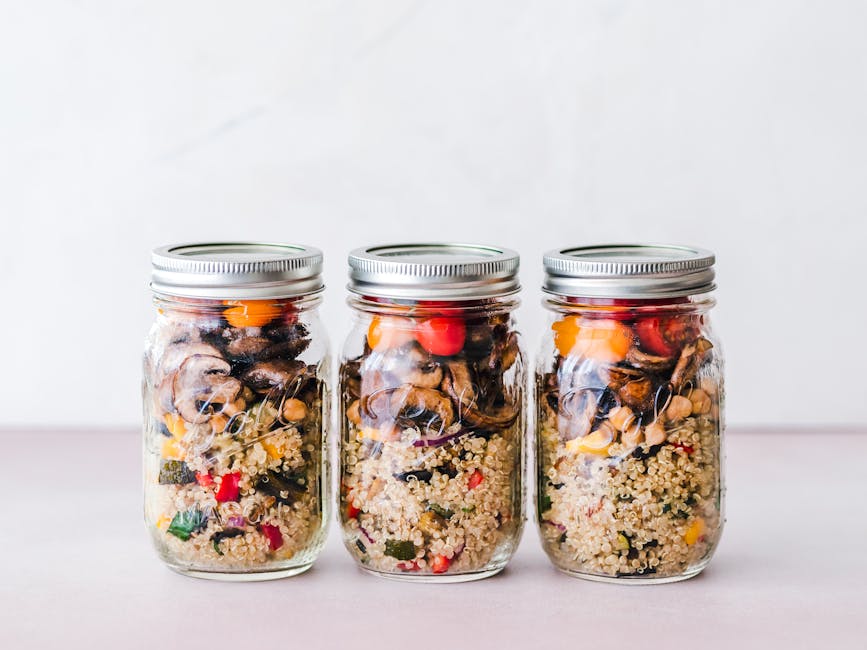
Efficiency is the name of the game. Pick a day, set aside a couple of hours, and batch cook the basics: a big pot of grains (think rice, quinoa, or farro), a sheet pan or two of roasted veggies, and a few protein options like baked chicken, lentils, or hard boiled eggs. This one time effort sets you up for the rest of the week.
Once cooked, don’t just toss everything into one giant container. Use mix and match containers. That way, it’s easy to switch up meals throughout the week without getting bored. Need a fast lunch? Grab a pre assembled bowl. Want a different sauce or spice mix for dinner? Easy swaps keep things fresh.
Organize your fridge by meal type put lunches in one area, dinners in another, snacks off to the side. When food is easy to find and ready to go, you’re less likely to reach for takeout. That’s how you stay on budget without living on pasta alone.
Step 5: Use Nutrition Boosting Shortcuts
Eating well on a tight budget comes down to smart picks. This isn’t about trends it’s about staples that do more for less. Canned fish, like sardines or tuna, delivers high quality protein and omega 3s at a fraction of the cost of fresh cuts. Plus, it lasts forever in the pantry and needs zero prep.
Frozen veggies are another no brainer. They’re flash frozen at peak ripeness, so you don’t sacrifice nutrients for convenience. Keep a mix of chopped spinach, stir fry blends, or peas on hand and toss them into anything from pastas to omelets to rice bowls.
And when it comes to budget superfoods, eggs, lentils, and tofu are your holy trinity. Eggs are endlessly versatile; lentils cook fast and keep you full; tofu soaks up any flavor and works in stir fries, scrambles, or sandwiches. These aren’t backup players they’re your starting lineup.
Tips Most People Miss
Meal prep isn’t reserved for families of four or fitness junkies. If you’re solo, that’s no reason to skip it. Prepping meals even just a couple basic dishes saves time, money, and mental energy during the week. You don’t have to cook like you’re feeding an army, but a few solid meals in the fridge can keep you from defaulting to overpriced takeout.
Leftovers? Don’t toss them. Freeze single portions in labeled containers. These become life savers on busy nights or lazy weekends. It’s like having your own budget friendly frozen meal stash minus the sodium overload.
And snacks are where most people slip. That $5 protein bar run adds up fast across a month. Instead, prep your own: boiled eggs, trail mix, cut veggies, or DIY energy bites. Your wallet will thank you, and so will your diet.
Final Strategy: Progress Over Perfection
Don’t try to become a meal prep wizard overnight. Start small real small. Pick one or two meals a day to focus on. Maybe it’s lunch and snacks. Maybe just dinner. Doesn’t matter. The goal is to build a habit, not win a meal planning marathon.
When you try to overhaul everything at once, burnout shows up fast, and then it’s back to takeout and impulse buys. Sticking to budget prep is more about showing up each week than it is about complicated recipes or color coded containers.
Consistency makes the difference. A few simple, repeatable meals prepped every Sunday can save you real money and serious time. You don’t need gourmet. You need a plan you’ll actually follow. So start where you are and build from there.
 Torveth Vandell has opinions about food trends and insights. Informed ones, backed by real experience — but opinions nonetheless, and they doesn't try to disguise them as neutral observation. They thinks a lot of what gets written about Food Trends and Insights, Dietary Restrictions and Alternatives, Healthy Diet Plans is either too cautious to be useful or too confident to be credible, and they's work tends to sit deliberately in the space between those two failure modes.
Reading Torveth's pieces, you get the sense of someone who has thought about this stuff seriously and arrived at actual conclusions — not just collected a range of perspectives and declined to pick one. That can be uncomfortable when they lands on something you disagree with. It's also why the writing is worth engaging with. Torveth isn't interested in telling people what they want to hear. They is interested in telling them what they actually thinks, with enough reasoning behind it that you can push back if you want to. That kind of intellectual honesty is rarer than it should be.
What Torveth is best at is the moment when a familiar topic reveals something unexpected — when the conventional wisdom turns out to be slightly off, or when a small shift in framing changes everything. They finds those moments consistently, which is why they's work tends to generate real discussion rather than just passive agreement.
Torveth Vandell has opinions about food trends and insights. Informed ones, backed by real experience — but opinions nonetheless, and they doesn't try to disguise them as neutral observation. They thinks a lot of what gets written about Food Trends and Insights, Dietary Restrictions and Alternatives, Healthy Diet Plans is either too cautious to be useful or too confident to be credible, and they's work tends to sit deliberately in the space between those two failure modes.
Reading Torveth's pieces, you get the sense of someone who has thought about this stuff seriously and arrived at actual conclusions — not just collected a range of perspectives and declined to pick one. That can be uncomfortable when they lands on something you disagree with. It's also why the writing is worth engaging with. Torveth isn't interested in telling people what they want to hear. They is interested in telling them what they actually thinks, with enough reasoning behind it that you can push back if you want to. That kind of intellectual honesty is rarer than it should be.
What Torveth is best at is the moment when a familiar topic reveals something unexpected — when the conventional wisdom turns out to be slightly off, or when a small shift in framing changes everything. They finds those moments consistently, which is why they's work tends to generate real discussion rather than just passive agreement.