Precision Nutrition Gains Ground
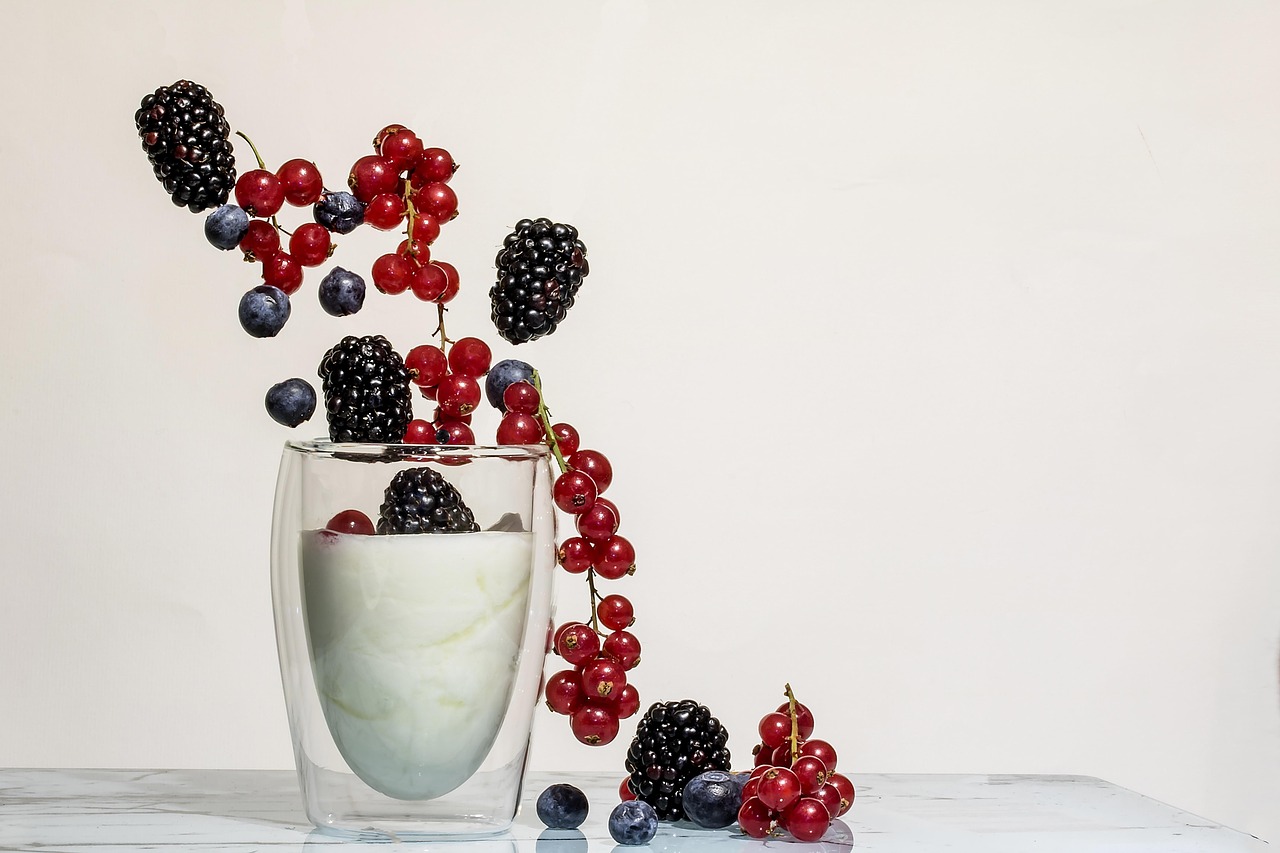
Personalized nutrition is shedding its buzzword status and becoming a real, growing standard especially as the science and tools catch up with the hype. In 2026, meal planning is less about guesswork and more about data. From microbiome tests to DNA reports to insights pulled straight from your fitness wearables, your next grocery list could be dialed in at the molecular level.
Startups are racing to close the loop between data and action. Services are popping up that give real time food recommendations based on blood glucose spikes, sleep cycles, or even gut flora changes. It’s food coaching meets biofeedback, in real time. That Monday morning green smoothie? It might adjust depending on how well you slept, or what your genetics say about your fat metabolism.
The rise of personalized data has also kicked the supplement world into high gear. Tailored vitamin stacks, precision probiotics, and mood specific nootropics are pushing beyond niche and into the mainstream. It’s not about megadoses or fads anymore it’s about what your body actually needs, and when it needs it.
Precision nutrition isn’t the future. It’s here and if you’re not adapting, you’re behind.
Functional Foods Go Mainstream
Food isn’t just fuel anymore. It’s being reengineered from the ground up for how we want to feel. Think mood support, immune strength, mental clarity, and gut health. 2026 is shaping up to be the year when functional foods go from niche to normal. Labels now list things like ashwagandha and lion’s mane right next to fiber and Vitamin C. And they’re not buried in the health food aisle they’re in your cereal, your coffee, your snack bars.
The market surge in adaptogens, nootropics, and natural anti inflammatories isn’t slowing down. Consumers aren’t just curious they’re demanding safe, evidence backed boosts to performance and everyday health. Whether it’s turmeric infused oats or probiotics in bottled tea, people want foods that do more than fill them up.
Even staple groceries are getting upgrades. Beets that benefit blood flow. Chocolate that eases stress. Yogurt that supports serotonin production. This isn’t future food it’s already on shelves.
Want to get up to speed? The Rise of Functional Foods and What It Means for Your Diet breaks down what’s driving this change and who’s doing it best.
AI Driven Meal Tech
Cooking is no longer just about taste or timing it’s becoming a data driven process. AI is pushing deeper into the kitchen, quietly changing how people plan, prep, and plate their meals. Recipe assistants now tap into personal data food preferences, allergies, fitness goals and generate meals that actually make sense for your life. You’re no longer scrolling for hours to find something that works with what’s in your fridge and your training plan. One query, and it’s tailored down to the macros.
Meanwhile, smart appliances are pulling their weight, too. Think ovens adjusting temperature mid cook because your heart rate spiked during your workout. Or blenders that suggest what goes in based on your biometrics for the day. These aren’t gadgets they’re decision engines.
Meal delivery systems are following suit. AI curated plans now map out a full week of eating based on what you want to accomplish more energy, sharper recovery, slower aging. These aren’t random pre made meals. They’re optimized routines, plated daily.
It’s not flashy. It’s not futuristic. It’s just how food is getting smarter.
Climate Conscious Eating Evolves
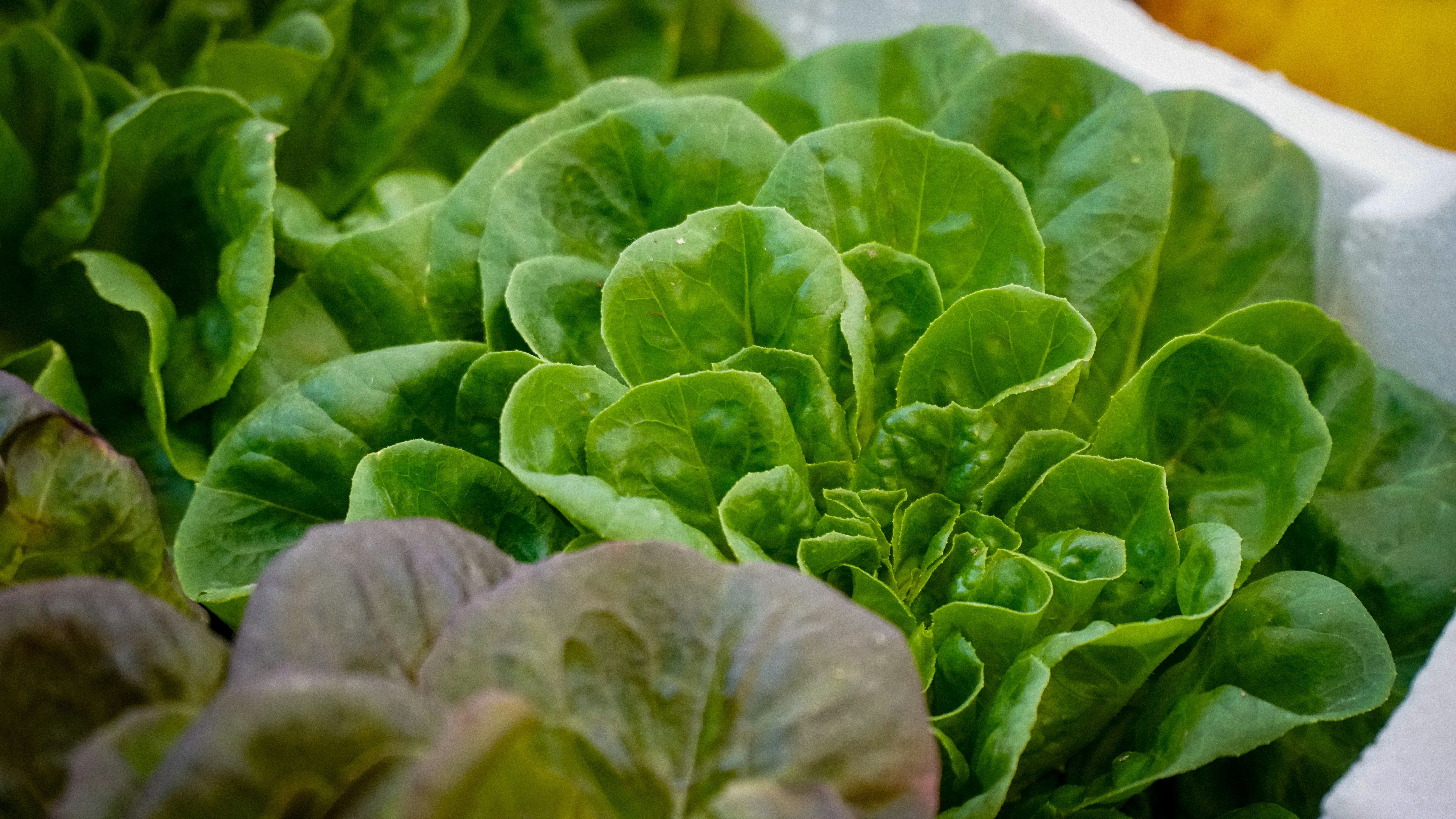
Sustainability is no longer a side note in the food space it’s becoming the foundation of how consumers choose and interact with what they eat. In 2026, climate conscious eating is influencing packaging, ingredient sourcing, and food innovation across the board.
Transparency Gets a Label
Shoppers are demanding transparency, and brands are responding with visible, detailed carbon labeling on packaging. Climate scores and emissions breakdowns are helping consumers understand the environmental cost of their food choices in real time.
Carbon labels now appear on more packaged goods
New scoring systems go beyond “organic” or “local”
Retailers and delivery services integrating climate impact filters
Upcycled & Zero Waste Innovation
Waste reduction is becoming a marker of food innovation. Brands and chefs are actively finding new uses for byproducts, peels, stems, and surplus ingredients to create tasty, sustainable meals. Zero waste kitchens are gaining traction not only in fine dining, but also in at home cooking.
Upcycled snacks and pantry items are moving into the mainstream
Food creators focusing menu design around full ingredient usage
Retailers spotlighting products made from rescued or surplus food
Next Gen Proteins Are Here
Alternative protein sources are gaining flavor, texture, and performance making them more accessible and appealing than ever. Beyond plant based, newer options like mycoprotein, algae, and even insect flours are entering the protein conversation.
Mycoprotein: fungi derived and protein rich, gaining popularity for its meat like texture
Algae based foods: nutrient dense and grown with minimal resources
Edible insects: high in protein and now showing up in flours, bars, and chips
These innovations are helping reduce the food industry’s environmental footprint while meeting consumer demand for nutrient dense, sustainable meals.
Cultural Fusion Without Borders
The flavor landscape in 2026 is borderless and that’s exactly how consumers like it. As people continue to travel virtually through their taste buds, global cuisines are being reinterpreted with a creative and localized twist. Tradition still matters, but adaptation is just as essential. The result? A dynamic culinary scene where heritage techniques meet regional flavor and seasonal sourcing.
Reimagining Global Dishes Locally
Chefs and home cooks alike are embracing the idea of global local cooking. Instead of simply replicating dishes from other cultures, they are reinventing them with ingredients native to their region or country.
Korean bulgogi tacos made with locally sourced grass fed beef
Mediterranean mezze boards with seasonal vegetables grown nearby
Indian inspired curries utilizing indigenous herbs and heirloom grains
This blend of authenticity and adaptability makes global flavors more accessible and more sustainable.
Home Kitchens Becoming Cultural Laboratories
The rise of cooking tutorials, recipe blogs, and global pantry accessibility has turned home kitchens into cross cultural playgrounds. People are combining techniques from different culinary traditions to build something entirely new.
Fermentation methods from Asia adapted for Latin American vegetables
French pastry techniques applied to Middle Eastern desserts
African spice blends infused into Western comfort foods
The mix isn’t about perfection it’s about exploration and genuine cultural appreciation.
Social Media as a Culinary Passport
Platforms like TikTok, Instagram, and YouTube continue to break geographic boundaries in the kitchen. Short form tutorials and food vlogs are inspiring millions to try dishes from unfamiliar cultures, encouraging both experimentation and education.
Viral recipe formats driving awareness of lesser known dishes (like Georgian khachapuri or Filipino sinigang)
Collaborations between global creators showcase cultural exchange
Food influencers spotlighting indigenous ingredients and telling the stories behind them
In 2026, curiosity is the main ingredient. As more creators embrace storytelling alongside technique, food becomes a tool for cultural connection, not just consumption.
Takeaway: The fusion trend is less about novelty and more about nuance. It reflects a new global palate one that values diversity, seasonality, and respect for origin.
Snacking Smarter, Not More
Snacking isn’t what it used to be. In 2026, the bag of chips or handful of candy is giving way to what people are calling ‘mini meals’ small, balanced bites meant to fuel more than a craving. These new go to snacks are loaded with protein, fiber, and ingredients that serve a purpose beyond just taste. Think nut based energy bars with adaptogens. Greek yogurt with nootropics. Even functional popcorns spiked with magnesium or L theanine.
What’s driving this? Two things: time and intention. People want food that fits into tight schedules and supports how they want to feel focused before a meeting, calm before bed, or energized without overloading on sugar. Wellness routines are now being built around snack timing, not just meals. Morning brain fuel. Afternoon gut check. Nighttime wind down.
In short, snacks are no longer frivolous they’re strategy. And brands are catching on fast.
What to Watch
2026 is shaping up to be a year of hard pivots in food not just in what we eat, but in how the rules and culture around it evolve.
First, lab grown meat and dairy are approaching a critical regulatory crossroad. Governments are starting to move faster, with the U.S., EU, and parts of Asia refining approval processes, safety labeling, and international trade standards. For startups betting big on cultured proteins, the next twelve months will likely determine momentum or stall it.
Meanwhile, the rise of hyper personalized nutrition is raising serious questions about data privacy. When apps are syncing DNA, gut microbiome data, and wearable readings, who owns that info? And what happens when insurers, brands, or platforms want a peek? Expect increased scrutiny, and maybe regulation, as privacy watchdogs catch up.
On the cultural front, Gen Z isn’t just influencing menus they’re reshaping entire food categories. Convenience matters, but so do climate impact, ingredient transparency, and inclusivity in sourcing. Gen Z wants food that aligns with their values, and big brands are listening. The ripple effect? Products, packaging, and messaging are all getting a rethink.
Bottom line: 2026 won’t just bring more innovation it’ll force the industry to answer harder questions about ethics, identity, and trust.
 Josephine Schulerztin has opinions about meal prep strategies. Informed ones, backed by real experience — but opinions nonetheless, and they doesn't try to disguise them as neutral observation. They thinks a lot of what gets written about Meal Prep Strategies, Delicious Recipe Ideas, Nutrition Tips and Advice is either too cautious to be useful or too confident to be credible, and they's work tends to sit deliberately in the space between those two failure modes.
Reading Josephine's pieces, you get the sense of someone who has thought about this stuff seriously and arrived at actual conclusions — not just collected a range of perspectives and declined to pick one. That can be uncomfortable when they lands on something you disagree with. It's also why the writing is worth engaging with. Josephine isn't interested in telling people what they want to hear. They is interested in telling them what they actually thinks, with enough reasoning behind it that you can push back if you want to. That kind of intellectual honesty is rarer than it should be.
What Josephine is best at is the moment when a familiar topic reveals something unexpected — when the conventional wisdom turns out to be slightly off, or when a small shift in framing changes everything. They finds those moments consistently, which is why they's work tends to generate real discussion rather than just passive agreement.
Josephine Schulerztin has opinions about meal prep strategies. Informed ones, backed by real experience — but opinions nonetheless, and they doesn't try to disguise them as neutral observation. They thinks a lot of what gets written about Meal Prep Strategies, Delicious Recipe Ideas, Nutrition Tips and Advice is either too cautious to be useful or too confident to be credible, and they's work tends to sit deliberately in the space between those two failure modes.
Reading Josephine's pieces, you get the sense of someone who has thought about this stuff seriously and arrived at actual conclusions — not just collected a range of perspectives and declined to pick one. That can be uncomfortable when they lands on something you disagree with. It's also why the writing is worth engaging with. Josephine isn't interested in telling people what they want to hear. They is interested in telling them what they actually thinks, with enough reasoning behind it that you can push back if you want to. That kind of intellectual honesty is rarer than it should be.
What Josephine is best at is the moment when a familiar topic reveals something unexpected — when the conventional wisdom turns out to be slightly off, or when a small shift in framing changes everything. They finds those moments consistently, which is why they's work tends to generate real discussion rather than just passive agreement.